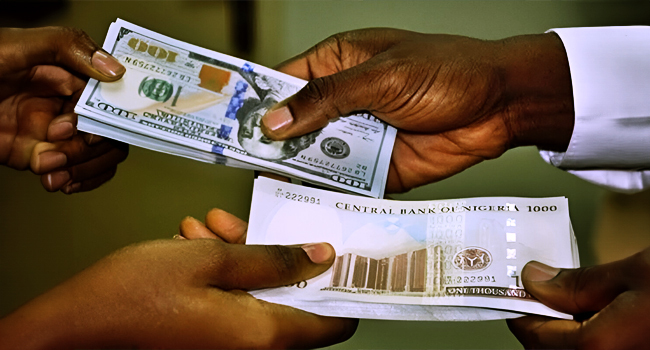
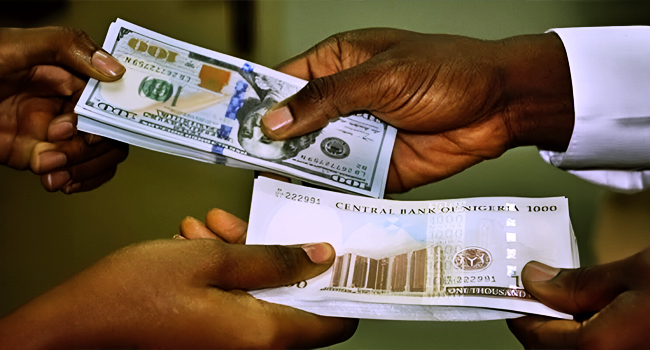
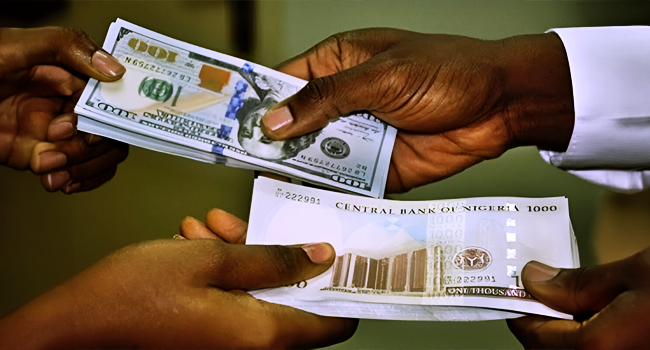
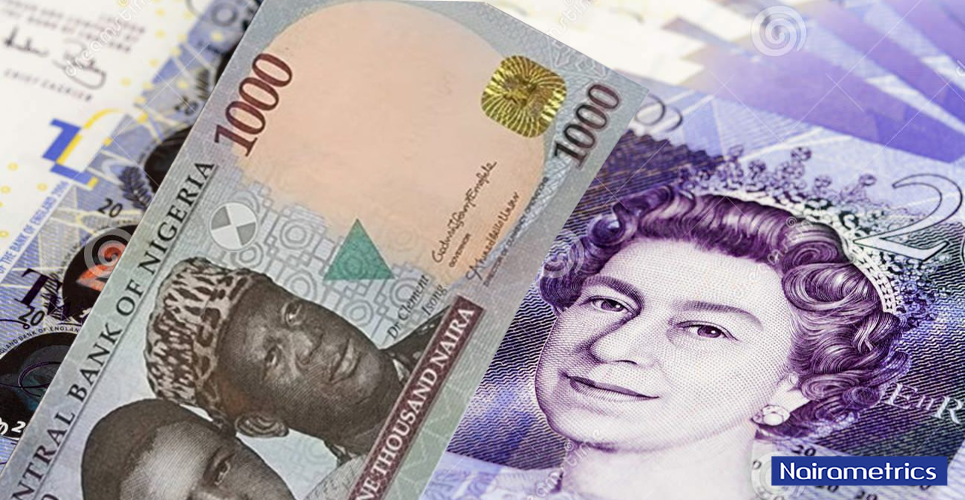
The Nigerian naira strengthened to N1,360.15/$ at the Nigerian Foreign Exchange Market (NFEM) on Wednesday, August 12, 2026, marking its strongest closing level since June 16, 2026.
Data from the Central Bank of Nigeria (CBN) showed that the currency gained N4.85 from the N1,365/$ recorded on Tuesday, August 11, 2026, representing a 0.36% appreciation against the dollar.
The latest gain extends the naira’s gradual recovery after renewed pressure in the foreign exchange market in July. The currency has now strengthened by N21.35, or 1.55%, from the N1,381.50/$ recorded on July 17, 2026. It has also gained N14.35, or 1.04%, from its July 21, 2026 close of N1,374.50/$.
August Recovery Reverses July Losses
The naira’s latest appreciation continues a relatively stable performance in the official foreign exchange market during August, with the currency strengthening from N1,365/$ on August 3, 2026, to N1,360.15/$ on August 12, 2026.
During the month, the naira closed at N1,365/$ on August 3 before settling at N1,363.11/$ on August 5 and N1,365.10/$ on August 6. It subsequently strengthened to N1,364/$ on August 7 and N1,361.50/$ on August 10. Following a close of N1,365/$ on Tuesday, the currency gained N4.85 on Wednesday. From the N1,368/$ recorded on July 31, the naira has gained N7.85, representing a 0.57% appreciation.
The August recovery follows a period of weakness that saw the naira depreciate through much of July, before the currency began to regain ground in the second half of the month. The naira closed at N1,369/$ on July 1 and weakened to N1,379/$ by July 7. It fell further to N1,381.50/$ on July 17 before recovering to N1,374.50/$ on July 21. The exchange rate subsequently strengthened to N1,369/$ on July 22 and N1,361/$ on July 24, briefly weakened to N1,368.50/$ on July 30, before closing July at N1,368/$.
Declining Turnover and Global Dollar Pressure
Foreign exchange turnover on the NFEM fell to $185 million on August 11, 2026, marking an 11-week low as activity in the official FX market thinned. This followed a highly active week ended August 7, 2026, where Nigeria’s foreign exchange market posted a total turnover of $3.73 billion, representing a 117% surge from the prior week.
On the global front, the US dollar came under pressure on Thursday after US inflation data reduced expectations of a near-term Federal Reserve interest rate hike. US consumer prices increased 0.1% in July, prompting money markets to reduce the probability of a September rate hike to 40% from 54% a week earlier. The dollar index, which measures the greenback against six major currencies, was flat at 100 on Thursday but remained on course for a 0.4% weekly gain.
Domestically, the CBN maintains a tight monetary policy stance aimed at moderating inflation and supporting macroeconomic stability. The central bank’s aggressive absorption of excess banking system cash through combined OMO and Treasury Bills auctions has seen more than N11.8 trillion withdrawn in July and early August 2026 alone.