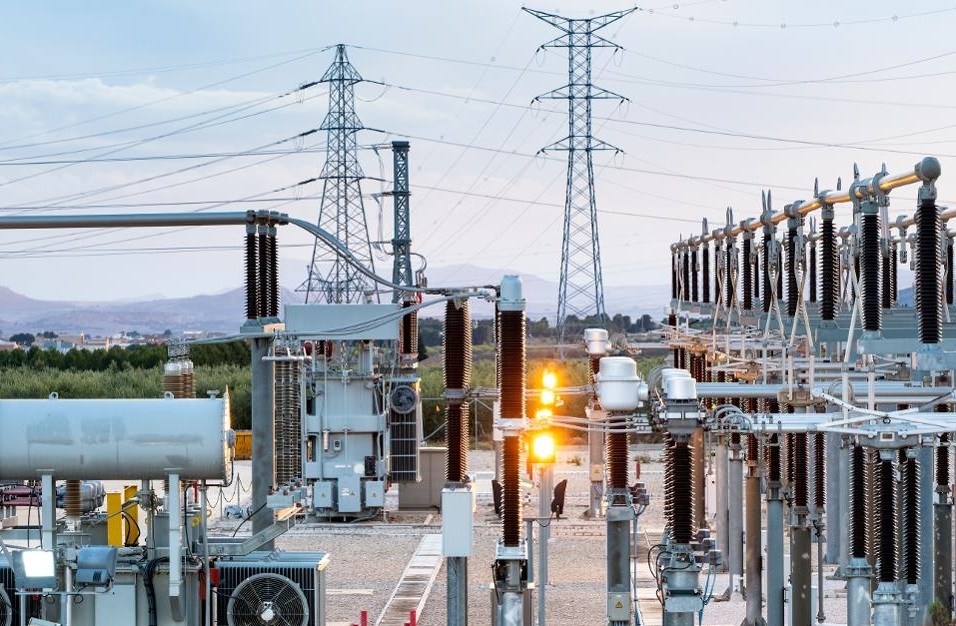
In Nigeria, millions of small business owners collectively spend an estimated $22 billion every year on over 60 million small generators. This expenditure is to augment a peak daily grid energy distribution of about 5,800 megawatts, highlighting a significant energy deficit.
For Mexico, Indonesia, Nigeria, and Turkey, grouped as MINT economies, energy is a critical factor for development. Their ability to convert demographic advantages into prosperity hinges on reliable, affordable, and progressively clean energy.
These nations navigate the energy trilemma—balancing energy security, equity, and environmental sustainability—with varying approaches. This balancing act significantly shapes their economic trajectories.
Mexico boasts a formal electrification rate of 99.7%, yet remote communities remain without grid access. The country possesses vast renewable potential, with solar irradiation in the Sonoran Desert and wind systems along its coasts.
Renewable energy auctions in Mexico between 2016 and 2017 yielded some of the world's lowest solar tariffs, reaching $33 per megawatt-hour. However, this progress was curtailed by President López Obrador between 2018 and 2024.
During his tenure, renewable auctions were cancelled, and older, state-owned gas plants took precedence over private renewable energy sources. This regulatory uncertainty deterred investors.
The current administration, led by President Claudia Sheinbaum, has committed to installing at least 27,000 megawatts of new renewable capacity by 2030. This aims to increase renewables' share in the energy mix from 22% to 45%.
Specifically, 6 GW of new renewable capacity is planned for installation in 2026 alone. Mexico's nearshoring opportunity, attracting manufacturing investment, depends on reliable and competitive industrial electricity.
Indonesia stands as the world's largest coal exporter. Its domestic electricity generation relies heavily on coal, presenting challenges for environmental sustainability goals.