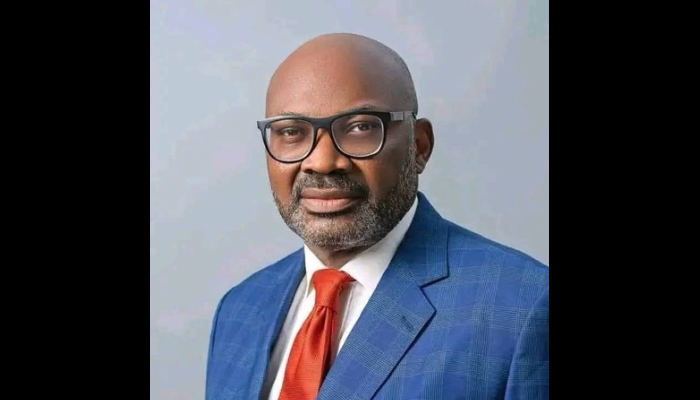
Kingsley Emu, the Secretary to the Delta State Government, has affirmed that the state is deliberately repositioning its economy to move beyond its traditional identity as a leading oil-producing state. He noted that services, agriculture, and other non-oil sectors are increasingly contributing to the state's economic growth.
Emu, who disclosed this during an interactive session with stakeholders, is also the Chairman of the Main Organizing Committee for the state's forthcoming Economic and Investment Summit. The summit, themed “Harnessing Our Strengths and Power,” aims to connect Delta State’s vast economic potentials with local and international capital, with over 25 foreign investors already indicating interest.
The SSG highlighted the state's economic potentials and areas of comparative advantage, urging both foreign and local investors to capitalize on these opportunities and partner with the government. He emphasized the availability of skilled manpower, citing the state's four universities and technical colleges, which offer opportunities for investors to partner in tailor-made training programs.
Delta State is particularly strong in agriculture, with a focus on translating this strength across the entire value chain for products like cassava and rice. The government seeks investments that create value, jobs, and sustainable economic activity within this sector.
Aquaculture was identified as another strong but underdeveloped opportunity, despite a high concentration of fish farmers and ponds. Significant investment is needed in fish feed production, cold rooms, and processing facilities to boost this sector, with fish feed being a major cost and challenge for farmers.
Emu stated that with improved infrastructure for fish feed, cold storage, and processing, Delta could become a major fish basket. He added that the state's extensive waterways also present opportunities for commercial fishing, processing, and other blue-economy ventures.
Regarding solid minerals, Emu listed kaolin, coal, silica, clay, and lignite as resources with commercial potential, noting that some deposits are already attracting concessions and commercial activity. He confirmed that these resources are proven, and business is already ongoing in some areas.
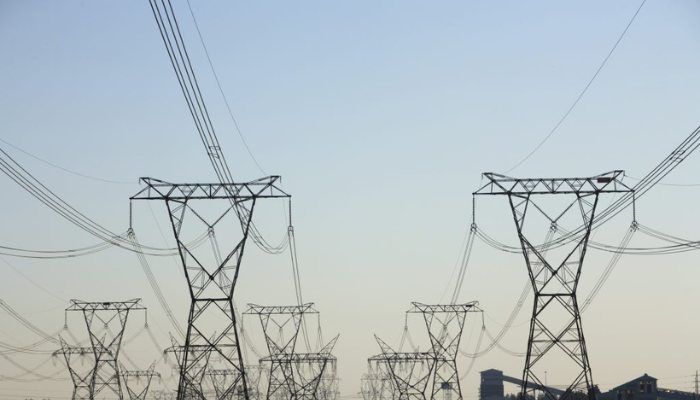
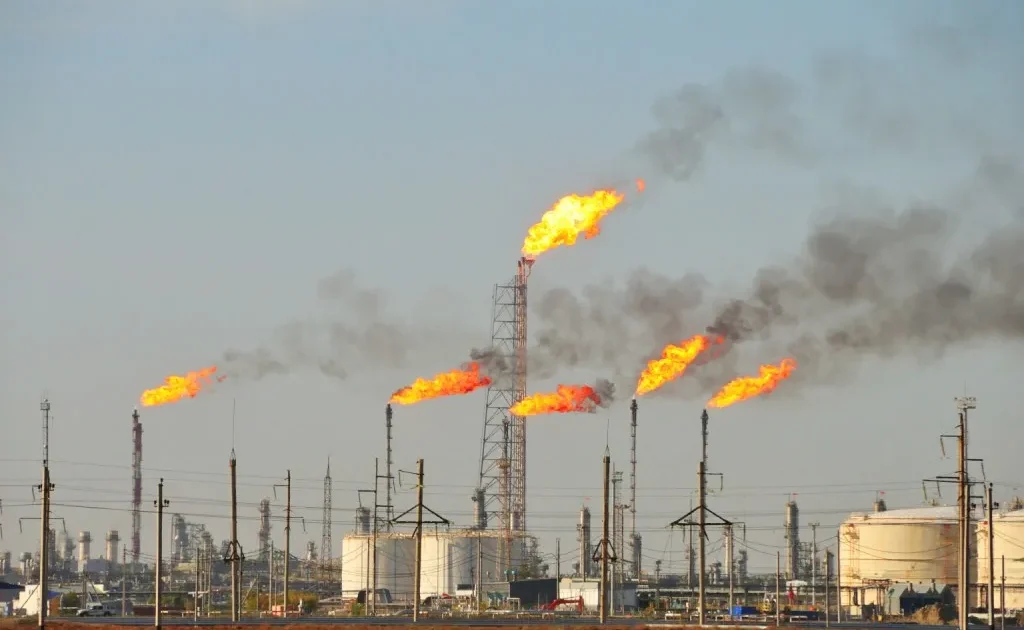
Power was also highlighted as a major investment frontier, leveraging Delta’s gas resources and proximity to critical gas infrastructure for industrial development. The government is exploring decentralized electricity solutions, including mini-grids and captive generation, to provide more reliable energy for industrial clusters, manufacturing concerns, and commercial centers, preferring the mini-grid model due to national grid challenges.
Emu emphasized that consistent power supply would significantly improve the economy, given the state's gas resources, strategic location, and opportunity to provide competitive power for industries. The summit is designed to go beyond speeches, incorporating sector-focused engagements, investment matchmaking, site visits, and structured follow-up to convert investor interest into bankable projects.
The SSG confirmed that 25 prospective investors would be attending from Brazil and China. High-profile personalities expected at the summit include Kashim Shettima, Vice President of Nigeria; Ngozi Okonjo-Iweala, Director-General of the World Trade Organization (WTO); and Taiwo Oyedele, Minister of Finance and Coordinating Minister of the Economy. Development finance institutions and leading private-sector players are also anticipated, with Engineer Austin Avuru, a renowned oil and gas industry leader, chairing the occasion.