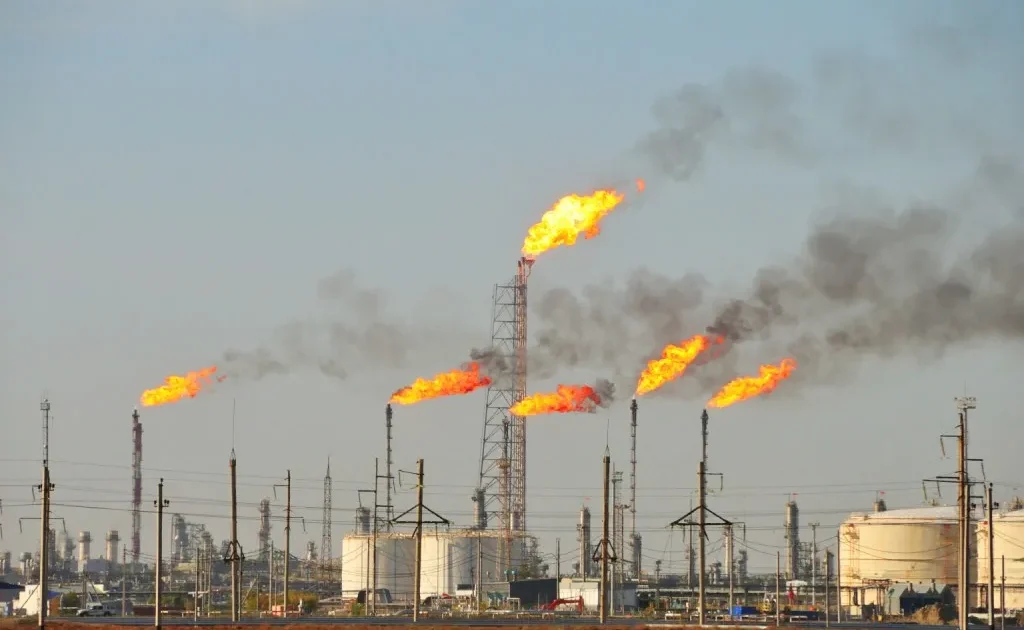
Stakeholders in Nigeria’s extractive sector have voiced significant concerns regarding the human and environmental impact of methane emissions and gas flaring in the Niger Delta. They warn that the country's ambition to expand gas production could come at a substantial cost without stronger accountability and enforcement mechanisms.
These concerns were highlighted during a webinar on Tuesday, titled “Leveraging Media Storytelling to Strengthen Accountability and Enforcement on Methane Emissions.” The event was part of an advocacy campaign to promote "Flaring Lives," a documentary co-produced by Policy Alert and We The People, with support from the Natural Resource Governance Institute (NRGI), which exposes the human cost of methane emissions.
Dual Ambition and Economic Implications
The Country Manager of the Natural Resource Governance Institute, George-Ikoli, noted that methane, while often discussed as a climate issue, directly affects communities near oil and gas facilities through poor air quality, health challenges, environmental degradation, and declining livelihoods.
She emphasized Nigeria's simultaneous pursuit of two ambitions: expanding gas production as a key economic and energy future component, and fulfilling significant commitments to reduce methane emissions and eliminate routine gas flaring. The challenge lies in whether these goals can be achieved concurrently and at what potential cost if they are not.
George-Ikoli also pointed out that methane emissions are becoming an economic concern as international markets tighten environmental requirements for oil and gas producers. Major export destinations, particularly in the European Union, are beginning to assess not only the volume of energy products but also the environmental conditions of their production.
Call for Stronger Enforcement and Accountability
While acknowledging progress by the Federal Government and industry players through new methane regulations and improved emissions disclosures, George-Ikoli stressed that policy commitments alone are insufficient. She questioned whether commitments are being met, emissions accurately measured, regulations consistently enforced, and if community experiences are reflected in decisions.
The NRGI official outlined several measures crucial for Nigeria to align its gas development strategy with methane reduction targets. These include stronger and more consistent enforcement of regulations, and a credible, unified approach to measuring methane emissions to track progress effectively.
Furthermore, companies should be required to not only disclose but actively manage and reduce their methane emissions. Initiatives like the Nigerian Gas Flare Commercialisation Programme should be accelerated, ensuring every cubic foot of gas is utilized productively rather than wasted through flaring. Stronger monitoring, reporting, and verification systems are also needed across the entire oil and gas value chain, with independent verification being critical for credible emissions reductions.
Executive Director of Policy Alert, Tijah Bolton-Akpan, stated that Niger Delta communities have endured gas flaring for over six decades, leading to devastating consequences for public health, agriculture, and fisheries. He described "Flaring Lives" as a tool for introspection and accountability among government agencies and industry operators.
Bolton-Akpan lamented that gas flaring, venting, and fugitive methane emissions have long been treated as unavoidable consequences, with affected communities bearing the environmental and health impacts. He urged journalists and media organizations to intensify investigative reporting on these issues, highlighting the media's crucial role in exposing environmental abuses and holding regulators and operators accountable.