The price of liquefied petroleum gas (LPG) in Nigeria has dramatically increased, exceeding N1,500 per kilogram. This sharp rise is placing immense financial pressure on millions of households and jeopardizes nearly a decade of advancements in clean cooking energy, according to the Nigerian Association of Liquefied Petroleum Gas Marketers (NALPGAM).
NALPGAM has issued a strong warning to the federal government, stating that the escalating costs risk public backlash against gas station owners if the situation remains unaddressed. The association's members are reportedly paying between N25.2 million and N26.2 million for a single 20-metric-ton consignment of LPG, costs that are inevitably passed down to consumers.
“We cannot stand by and watch millions of Nigerian families suffer in silence while access to clean cooking energy becomes increasingly difficult and unaffordable,” stated Edu Inyang, national president of NALPGAM, and Bassey Essien, executive secretary, in a joint statement.
Businesses such as food vendors reliant on gas stoves, low-income families who had recently gained access to affordable LPG, and small enterprises with tight profit margins are all struggling to absorb these increased costs.
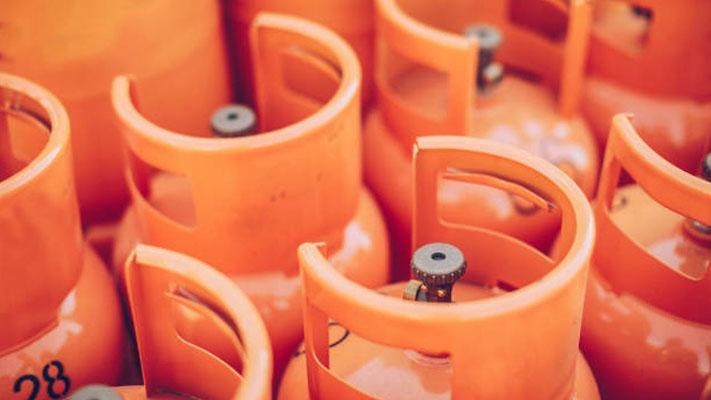
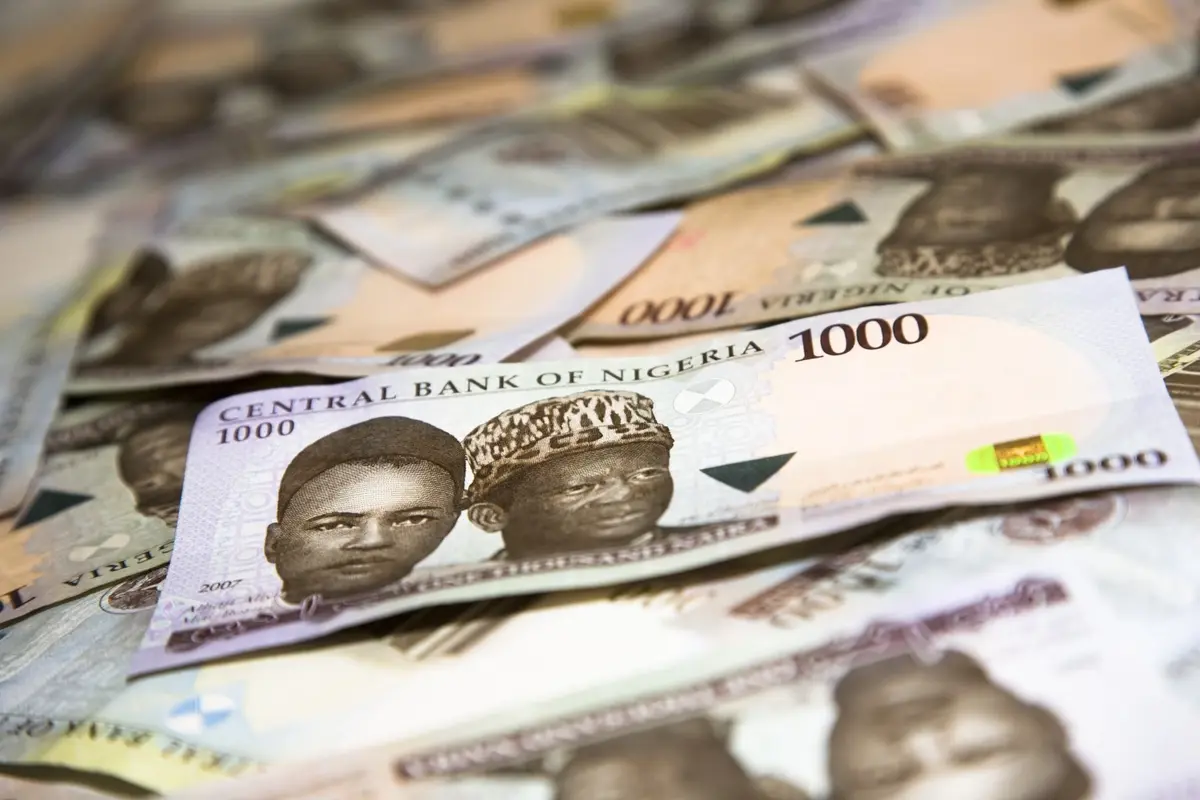
At N1,500 per kilogram, refilling a standard 12.5-kilogram cylinder now costs upwards of N18,750. This figure represents several days' income for a significant portion of Nigeria's population.
For years, successive Nigerian administrations have championed LPG as central to the nation's clean cooking agenda, encouraging a shift away from kerosene, charcoal, and firewood. This policy led to investments in retail infrastructure and nationwide awareness campaigns, resulting in increased cylinder penetration rates and apparent progress.
However, this progress is now visibly reversing. NALPGAM members across the country are reporting continuous supply shortages at depots, significant logistics challenges, and unsustainable operating expenses. Where LPG is available, prices are beyond the reach of ordinary Nigerians.
The consequence is a noticeable change in consumer behavior, with households returning to firewood and charcoal. This shift carries serious implications for public health, urban air quality, and Nigeria's international climate commitments.
“This situation is seriously eroding the substantial progress made by the Government on the usage of clean energy in the country,” the statement from NALPGAM read.
The crisis stems from multiple structural issues, according to NALPGAM. Domestic LPG allocation to the Nigerian market has been insufficient to meet demand. Importation is hampered by unresolved bottlenecks in storage, transportation, and terminal operations. Furthermore, regional distribution is uneven, leaving some parts of the country underserved even when supply exists elsewhere.
NALPGAM has appealed to the federal Ministry of Petroleum Resources, the Nigerian Midstream and Downstream Petroleum Regulatory Authority, NNPC Ltd, domestic producers, depot operators, and international suppliers. Their demands include increasing domestic allocation, improving regional distribution equity, reducing import friction, and implementing strategic pricing interventions at the retail level.
Beyond household economics, NALPGAM is highlighting broader systemic risks. Accelerated food inflation is an immediate concern, as cooking fuel costs directly impact the price of prepared food in Nigeria's vast informal food sector. The association also warns of potential business closures in the retail LPG sector, job losses along the distribution chain, and a collapse of investor confidence in an industry that had attracted substantial private capital.
Nigeria's clean energy and climate commitments could face a credibility challenge if households are seen returning to solid fuels on a large scale.
NALPGAM has expressed readiness to collaborate with regulators and the government on sustainable solutions, emphasizing that the window for voluntary, coordinated action is narrowing. “Decisive action is needed now,” the statement concluded.