The average cost of preparing a pot of jollof rice for a family of five in Nigeria rose to ₦30,435 in the first quarter of 2026, a 19.4% increase over six months, according to a report by SBM Intelligence. This surge is attributed to rising fuel prices, transport disruptions, and global energy shocks that pushed Brent crude above $110 per barrel.
Petrol prices in major cities exceeded ₦1,300 per litre, while diesel surpassed ₦1,500, significantly increasing logistics costs across food supply chains and contributing to nationwide retail food inflation. The SBM Intelligence report, covering October 2025 to March 2026, highlighted substantial price jumps in key cities.
Abuja markets experienced double-digit increases, Lagos saw a 23% spike in a single month, and Port Harcourt recorded a 55% climb over the six-month period. These figures underscore the growing financial strain on households.
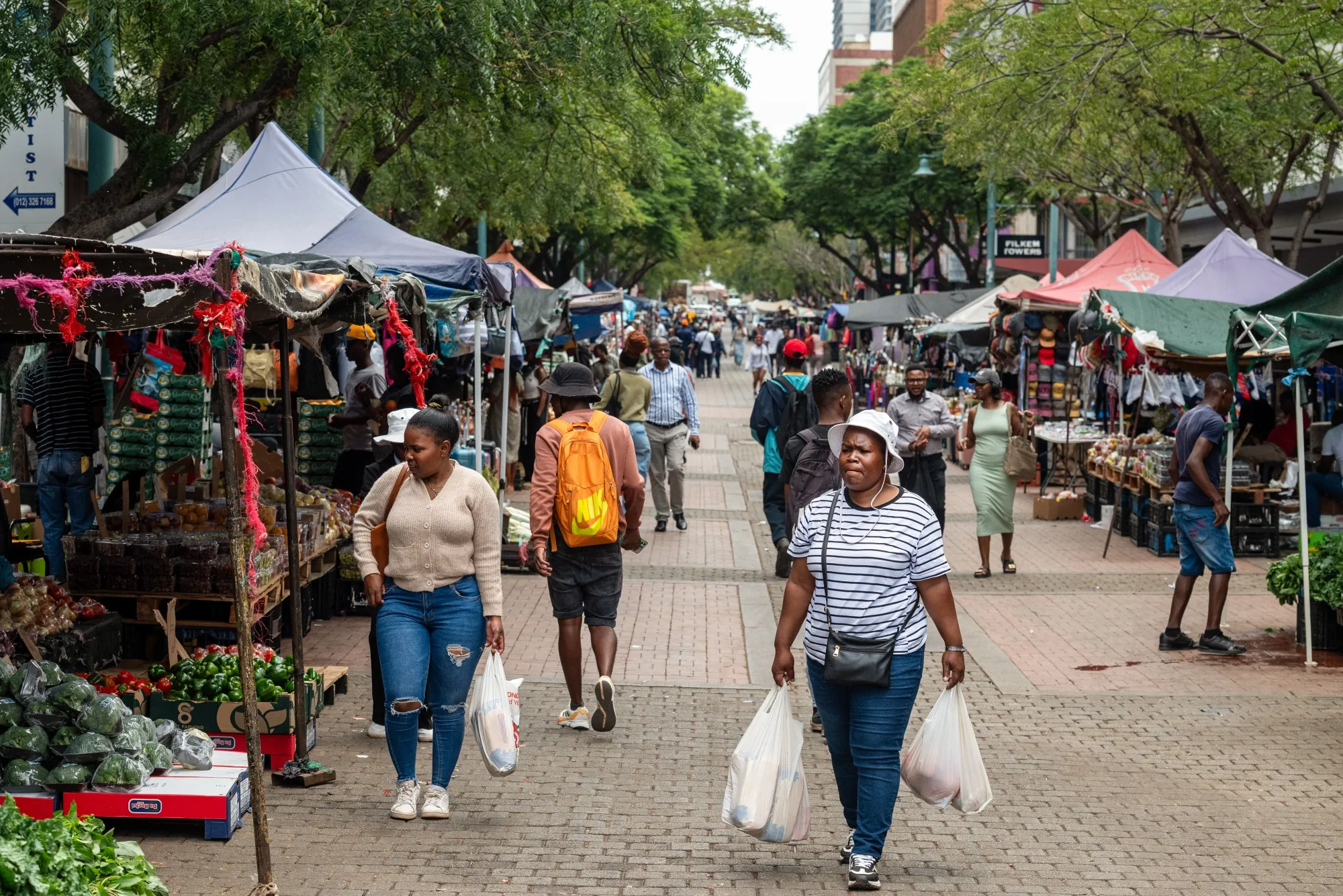
Consumers are altering their purchasing habits and dietary choices in response to the escalating costs. One Lagos resident noted a shift away from meat, opting for smoked dry fish due to the high expense of chicken and turkey. Shopping behaviours have also changed, with individuals now buying in bulk or favouring neighbourhood stores for smaller items to mitigate transport costs.
The choice of cooking fuel is also being re-evaluated. Some households are switching to charcoal for larger family meals due to the high cost of cooking gas, using gas cookers only for smaller preparations. Traders are frequently adjusting prices in response to fuel and currency fluctuations, leading to market volatility.
Regional price disparities are evident, with Lagos experiencing monthly increases above 23% and Port Harcourt seeing a 55% rise over six months. Some markets in Abuja reported costs exceeding ₦36,000 per pot. Despite these variations, the report concludes that Nigeria's food inflation is becoming increasingly structural, influenced by persistent fuel dependence, logistics challenges, and currency pressures.
The SBM Jollof Index, which tracks the cost of preparing jollof rice for a family of five based on 2014 National Bureau of Statistics data, has become a key indicator of household purchasing power. Jollof rice was selected as a benchmark due to its commonality across Nigeria and West Africa, reflecting how global energy shocks are impacting everyday food affordability.