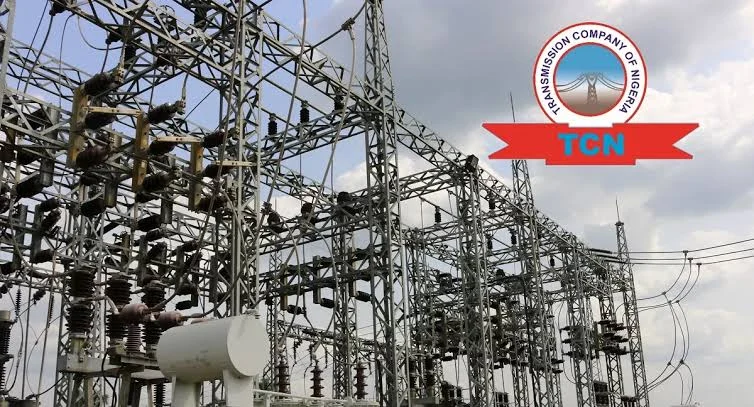
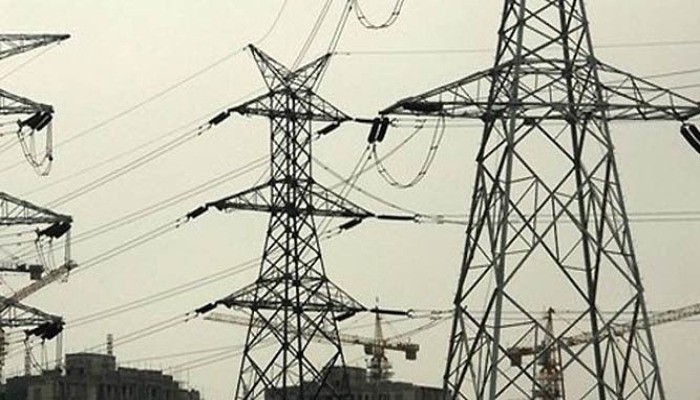
The Transmission Company of Nigeria (TCN) has expressed grave concern over the escalating attacks on its electricity infrastructure in Niger State. Vandals have reportedly destroyed 14 tower spans of the company's 132-kilovolt high-voltage transmission line in the Lambata axis of Gurara Local Government Area.
TCN described the destruction as economic sabotage that could cripple electricity supply, endanger lives, and hinder efforts to boost power distribution and industrial growth in the state. Musa Shuaibu, General Manager, Transmission, Abuja Region of TCN, stated this during a security and community engagement meeting in Lambata.
The meeting, attended by officials from local vigilante groups, the Nigeria Security and Civil Defence Corps, the Federal Road Safety Corps, and the Niger State Road Traffic Management Agency, aimed to devise practical measures against the rising tide of vandalism.
Shuaibu explained that the affected 132kV transmission line, built over four decades ago during the Shehu Shagari administration, was crucial for transmitting electricity from Shiroro through Minna, Bida, and Suleja to the Federal Capital Territory. This line was one of the earliest high-voltage infrastructures supporting power supply to the nation's capital and its environs.
He noted that the line had operated for decades without significant issues until recently, when criminals began targeting its conductors for sale. Shuaibu lamented that these acts divert resources that could be used for infrastructure improvement.
The estimated cost to directly restore the 14 vandalised spans within the region is N32 million, a figure that could increase if the work is awarded as a contract. This expenditure, Shuaibu stressed, should have been allocated to enhancing facilities and strengthening power supply.
The consequences of such vandalism extend beyond financial losses, as disruptions to electricity supply can critically affect hospitals, businesses, and households. Shuaibu appealed to traditional rulers, community leaders, and parents to educate their communities against these criminal acts.
Furthermore, Shuaibu warned of the severe safety risks associated with damaged high-voltage lines, including the danger of residual voltage on fallen conductors, which could be fatal to farmers or livestock working in the vicinity. He urged all stakeholders to take the issue seriously.
The vandalised infrastructure directly supplies power to distribution companies like AEDC. Shuaibu questioned how power could be supplied if the transmission lines are unavailable, impacting the commission's operations and potentially deterring industrial investment in Niger State due to compromised infrastructure.
He also highlighted the potential loss of government revenue and jobs, as inadequate infrastructure can discourage investors from establishing industries in the state.
TCN has reported that several suspects apprehended for attacks on transmission facilities in the Federal Capital Territory are currently undergoing prosecution, with warnings of severe penalties that could permanently alter their lives.
Shuaibu urged residents to report any suspicious activity around transmission corridors, promising recognition for communities that assist in identifying vandals. He emphasised that collective responsibility is needed, as security agencies alone cannot combat the problem.
Currently, 19 suspects arrested for vandalising TCN property are held at the Kuje Correctional Centre pending trial. Shuaibu reiterated that the law is strictly applied, and offenders face severe punishment with no option of a fine, potentially ruining their future.
ASP Galadima Edward, representing the Divisional Police Officer, described transmission facilities as critical national assets requiring urgent protection. He confirmed that the police are responsible for arresting, investigating, and prosecuting individuals involved in vandalism and the trade of stolen transmission materials, relying on intelligence and community contacts.
Edward urged communities to collaborate with security agencies to safeguard these vital installations, which belong to all Nigerians.