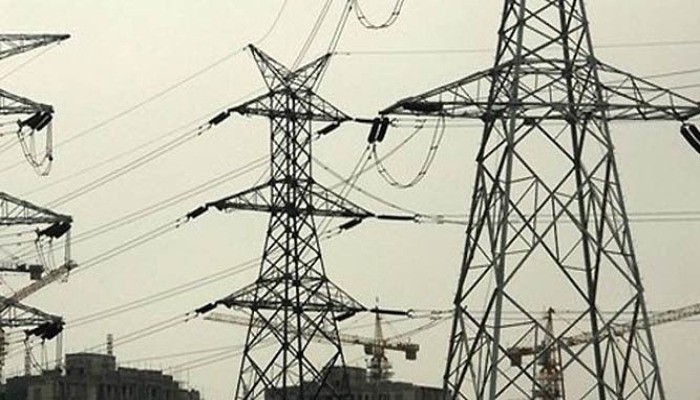
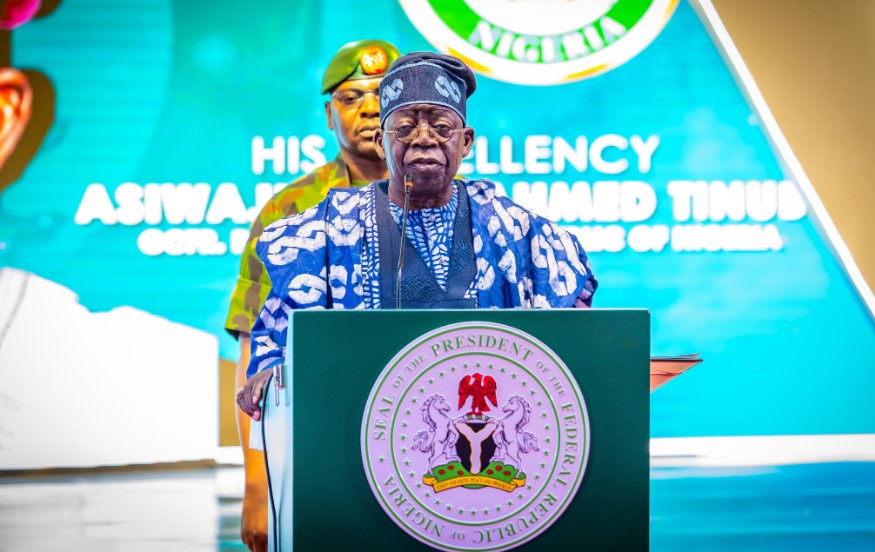
Nigeria's power sector is undergoing a significant transformation, shifting from a centrally controlled system to a decentralized, multi-tier electricity market following the implementation of the Electricity Act 2023. A new report by PwC highlights that while the framework for change is in place, the reform's success hinges on overcoming challenges related to state-level execution and the persistent weaknesses of electricity distribution companies (DisCos).
The PwC report, titled “Priority actions for the successful evolution of Nigeria’s multi-tier electricity market,” was compiled from insights gathered during the firm’s annual power and utilities roundtable, which included key stakeholders from government, DisCos, off-grid developers, and financiers.
States Lead Decentralization Efforts
A core aspect of the reform is the transfer of regulatory authority to states, empowering them to license operators and set tariffs. The report indicates that more than 15 states are in various stages of establishing their electricity markets, with some integrating power planning into their economic strategies.
However, the pace of progress is not uniform. While states like Lagos are implementing structured approaches, others face hurdles in regulatory capacity, technical expertise, and financial readiness. This disparity risks creating fragmented markets with inconsistent standards.
Experts caution that a lack of strong coordination between federal and state roles, particularly concerning tariffs and subsidies, could introduce uncertainty and impede overall progress.
DisCos Remain a Weak Link
Despite the policy shifts, electricity distribution companies (DisCos) continue to grapple with substantial financial and operational difficulties. Industry losses, attributed to technical inefficiencies and energy theft, hover around 34-35%, with only about 70% of billed revenue being collected.
Mounting debts, including those owed by government agencies and consumers, have severely impacted liquidity. Furthermore, legacy loans and high interest rates restrict access to new capital. Ageing infrastructure, including overloaded transformers and obsolete equipment, further compromises service delivery.
A significant metering gap persists, leading to revenue loss and eroding public trust, as millions of consumers are still billed based on estimates. While initiatives like the Presidential Metering Initiative aim to address this, progress has been slow.
Recent tariff adjustments have improved revenues and reduced subsidy burdens, but prices are not yet fully cost-reflective, maintaining liquidity pressures and raising affordability concerns for consumers.
Sector Gains Mask Deeper Constraints
The sector has seen modest improvements, such as increased revenues and fewer grid collapses. Nigeria has also connected to the West African Power Pool, opening avenues for regional electricity trade.
However, these positive developments obscure underlying structural limitations. Despite an installed generation capacity exceeding 13,000 megawatts, actual available generation remains considerably lower due to constraints in gas supply, transmission bottlenecks, and distribution inefficiencies.
Consequently, the electricity supply continues to fall short of demand, limiting the broader economic impact of the reform.
Renewables and Off-Grid Solutions Gain Momentum
The report highlights a growing trend in renewable energy and off-grid electrification, increasingly driven by state governments. States are incorporating electricity access into their development plans and budgets, with projects becoming more commercially focused and linked to essential infrastructure like healthcare and water systems.
This approach is enhancing accountability and sustainability, particularly in underserved regions, though progress varies significantly among states. According to the Rural Electrification Agency (REA) Managing Director, Abba Aliyu, states are becoming more proactive in presenting demand data and identifying priority projects.
Investor Caution Persists Despite Available Capital
Contrary to some perceptions, capital is available for the power sector, but investors remain cautious. The decentralization trend is creating smaller, more targeted investment opportunities, often linked to specific demand centers, which has boosted confidence in certain instances.
However, concerns persist regarding regulatory clarity, tariff structures, and revenue assurance, especially given the weak financial standing of DisCos. Without predictable cash flows, enforceable contracts, and transparent governance, investment decisions are frequently delayed or re-priced.
Capacity Gaps Threaten Reform Execution
Beyond financial and infrastructure challenges, the sector faces a shortage of skilled professionals, including engineers and technicians. This gap is slowing down critical initiatives like metering rollouts and network upgrades.
PwC warns that without sustained investment in human capital development, the reforms may not translate into tangible improvements in service delivery.