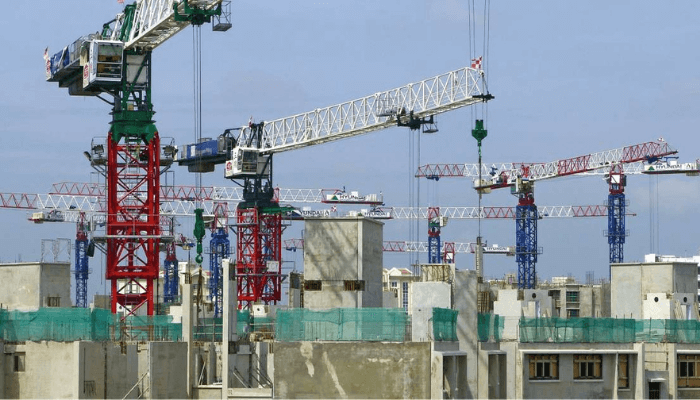
Nigeria’s real estate sector is heading into a consolidation phase as interest rates remain heavy, elevated construction costs persist, and limited access to structured finance continues to reshape developer activity.
This was disclosed in the Real Estate 2026 Outlook report by the Managing Director of Legendary Foreshore, Victor Ameh, which examined property market trends across Nigeria and Ghana.
The report noted that 2026 is expected to mark a defining shift for the sector, where weak project structures are increasingly exposed while well-capitalised developers gain an advantage in a tighter operating environment.
The report stated that Nigeria’s real estate sector is entering a consolidation phase in 2026, driven by ongoing economic reforms but constrained by high interest rates, elevated capital costs, and tight financial conditions.
Nigeria’s $15 billion real estate market still has very low mortgage penetration.
As a result, most developments in both markets continue to rely on equity, short-term capital, and informal funding structures. While housing demand remains strong, the market is becoming more selective as weaker project structures struggle under financing pressure.
- Although housing demand remains strong, the market is becoming more selective, with weaker project structures struggling under financing pressure.
- “Nigeria is in a consolidation season. Reforms are reshaping the economy, but interest rates and capital cost remain heavy.”
- “In Nigeria, 2026 will punish weak structures and reward operational excellence.”
The report further explained that only developers with strong capital structures, disciplined execution models, and realistic absorption strategies are expected to remain competitive in 2026. It noted that the sector is shifting away from speculative expansion toward more structured development planning.
The report highlighted that inflation and foreign exchange volatility continue to significantly increase construction costs across Nigeria’s real estate value chain.