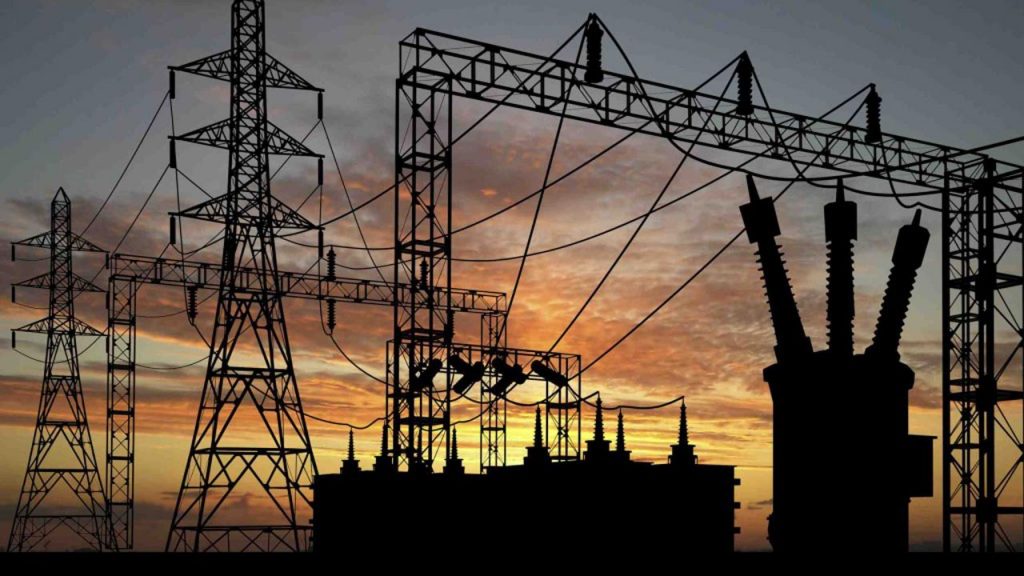
Power outages are costing Nigerian businesses an estimated 3% of their annual sales, forcing firms to spend heavily on alternative power sources and exposing the economic cost of the country’s infrastructure deficit.
This is according to the African Development Bank’s African Economic Outlook 2026 report, which found that unreliable electricity supply has become a significant drag on business profitability, while pushing companies to increasingly rely on self-generated power.
The report noted that the financial burden extends beyond lost production, as businesses are compelled to invest in generators and other privately provided services that would ordinarily be supplied through public infrastructure.
The AfDB report revealed that 70.7% of Nigerian firms own or share generators, highlighting the extent to which businesses have turned to self-generation to cope with electricity shortages.
Nigeria recorded one of the highest levels of generator dependence among the countries referenced in the report, ahead of South Africa, where 63.3% of firms own or share generators, and Tanzania, where the figure stands at 38.7%.
According to the bank, electricity outages account for losses equivalent to three per cent of annual sales in Nigeria, while firms in Mali and Chad lose as much as 10% of annual sales due to power disruptions.
The report stated, “These costs act as parallel levies on incomes and profits that reduce disposable income, erode firm profitability, and encourage informality. Enterprise surveys highlight the scale of these burdens: electricity outage losses amount to 3% of annual sales in Nigeria and 10% in Mali and Chad, and because of this, generator reliance is widespread, with 70.7% of firms in Nigeria, 63.3% in South Africa, and 38.7% in Tanzania owning or sharing generators.”
It added that the widespread reliance on generators reflects the inability of existing public infrastructure to meet the energy needs of businesses, resulting in higher operating costs and weaker competitiveness.