Lagos Residents Struggle with Purchasing Power Despite Food Price Drops

Despite a decrease in prices for some food items like garri, Lagos residents report low purchasing power, struggling to afford essentials due to stagnant incomes and rising costs of other goods.

NGN Market

Written by NGN Market

·3 min read
Lagos Residents Struggle with Purchasing Power Despite Food Price Drops

Residents of Lagos State are expressing concerns over their diminished purchasing power, even as prices for certain food staples have seen a decline. This situation highlights a disconnect between falling prices of some goods and the inability of many citizens to afford them due to stagnant wages and increased living costs.

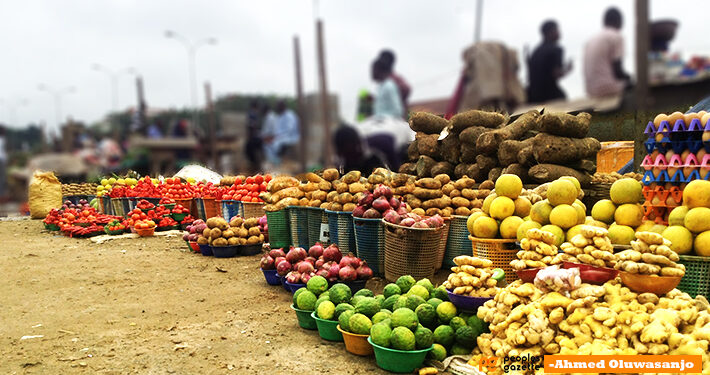
Dr. Dorka Ike, a medical practitioner, noted that while some food prices have stabilized, many Nigerians find it difficult to afford basic necessities. She specifically mentioned that the price of garri has fallen significantly, with a paint bucket now costing between N1,200 and N1,500, down from N2,000 to N3,000. However, she emphasized that the core issue remains the low purchasing power of the populace, forcing many to cut down on food expenses.

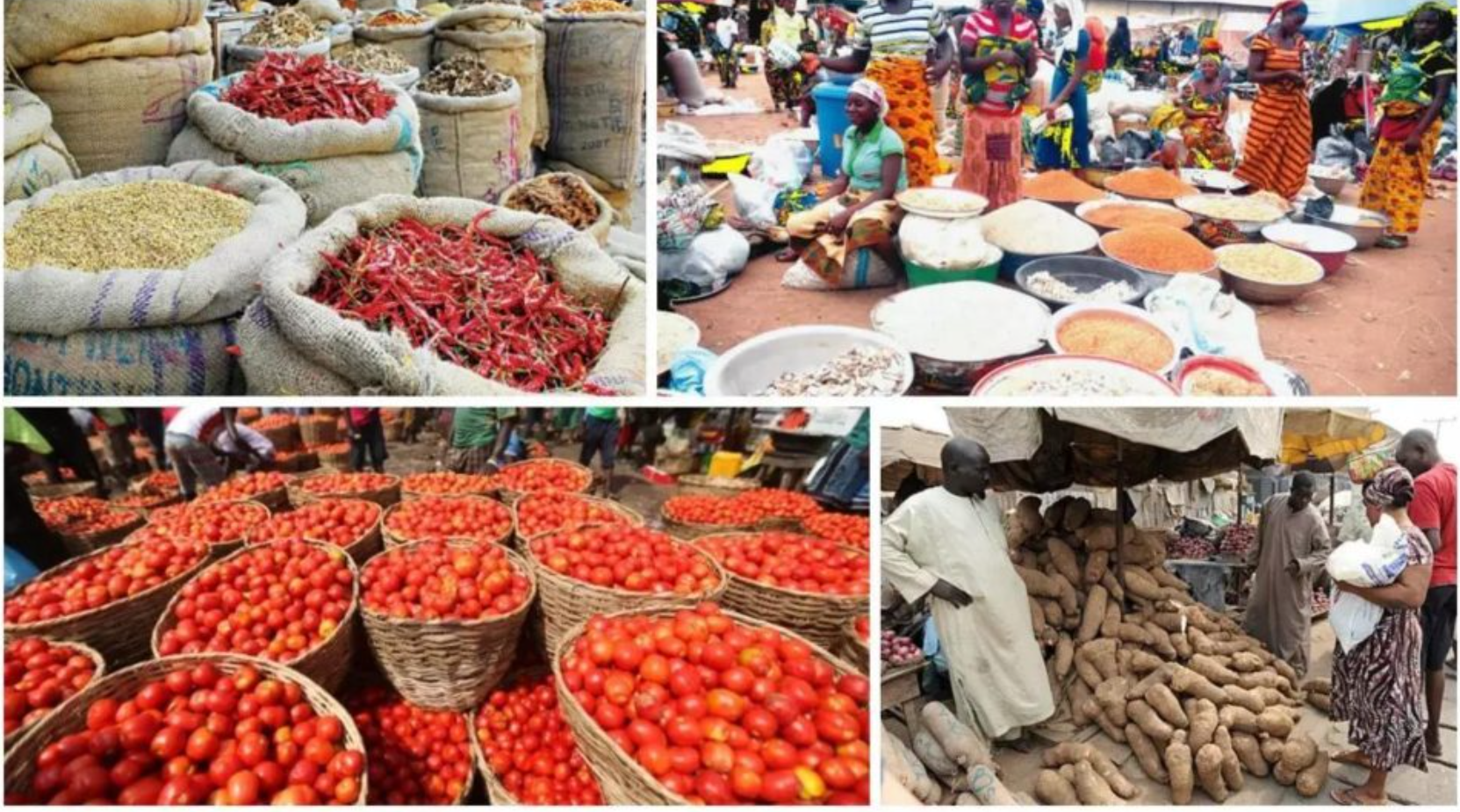
Mrs. Eugenia Uloma, a resident, corroborated this, stating that while staples like rice, beans, and corn are relatively affordable, other items such as beef, chicken, fish, tomatoes, and pepper remain expensive. She pointed out that a crate of eggs has consistently been priced above N6,000 since the previous year. A bag of rice is still priced between N50,000 and N55,000, and beans prices are stable but often out of stock.
Advertisement

The rising cost of living, without a corresponding increase in salaries, is a major concern. Mrs. Cordelia Esho highlighted the tripling of tomato and pepper prices, noting she paid N2,500 for a small quantity that previously cost N500. Despite the drop in garri prices to N1,500 per paint bucket, the affordability of other essential items remains a challenge.

A market survey by Nairametrics in the first week of May 2026 indicates that the retail price of a 50-kilogram bag of rice across Nigeria ranges from N53,000 to N82,000. The North-Central region, particularly Abuja, offers the lowest prices, with a bag costing between N53,000 and N55,500. This represents a significant year-on-year decrease from mid-May 2025, when prices were between N80,000 and N85,000.

In Lagos, the South-West region, a 50kg bag of rice sells for N55,000 to N65,000. The price moderation in some areas is attributed to improved domestic supply, increased competition, and relative stability in the foreign exchange market, which has eased pressure on imported commodities and logistics.

Tags:Energy

Advertisement

Advertisement