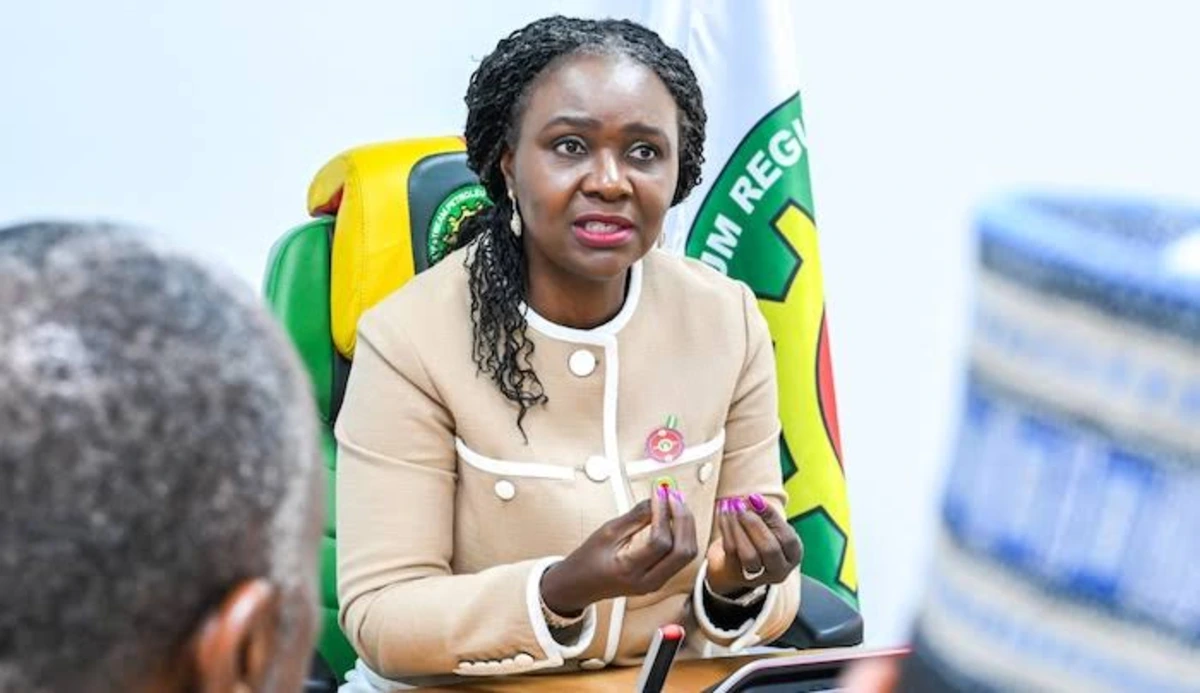
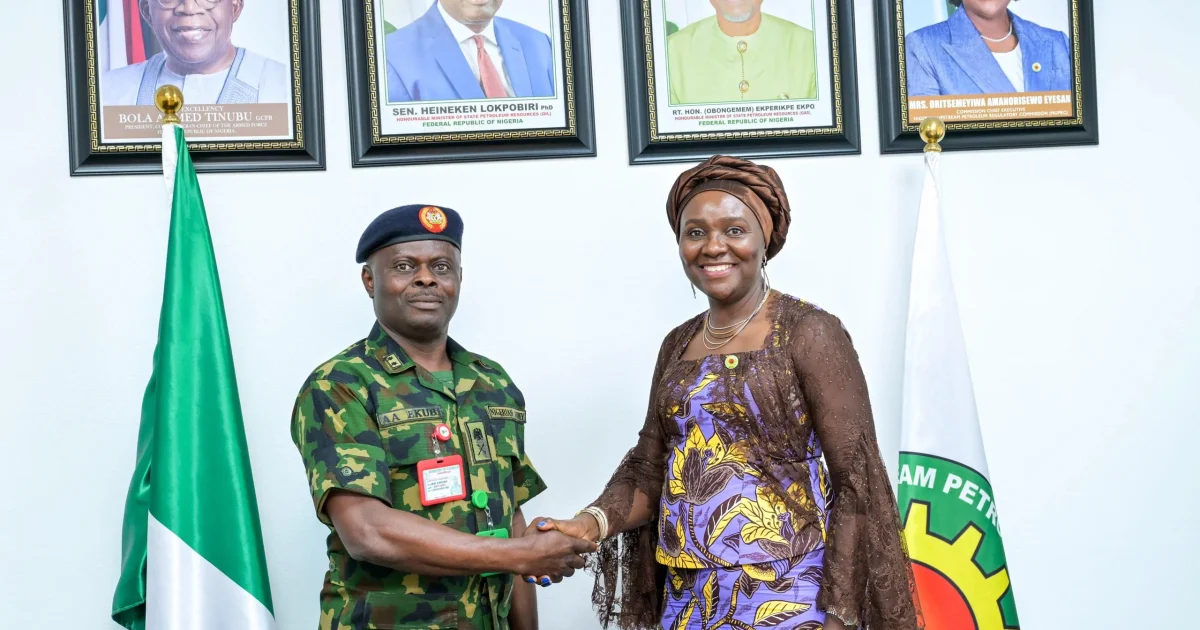
Nigeria is on track to achieve its target of producing 3 million barrels of crude oil per day by 2030, driven by ongoing reforms, faster regulatory approvals, and renewed investment. This optimistic outlook was shared by Mrs Oritsemeyiwa Eyesan, the Chief Executive of the Nigerian Upstream Petroleum Regulatory Commission (NUPRC), as reported by Bloomberg.
Mrs. Eyesan stated that key enablers required to unlock higher oil production are already being implemented. The country's crude oil production continues to recover, reaching its highest monthly average in over four years amid increased investment from both international and indigenous operators.
The NUPRC highlighted that regulatory reforms and improved investment conditions are laying the foundation for a significant increase in crude oil production over the next five years. The commission noted that ongoing reforms are designed to accelerate investment decisions and enhance operational efficiency across the upstream oil sector.
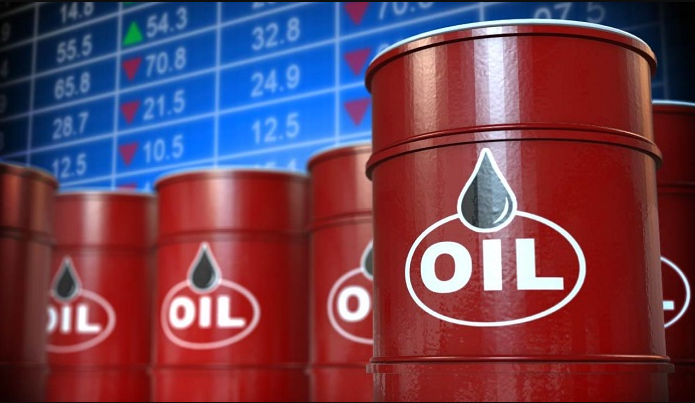
Nigeria’s oil production has shown steady improvement in recent months as operators ramp up output and resume development activities across key assets. According to the NUPRC, average daily crude oil production reached 1.56 million barrels per day in June 2026, representing the highest monthly production level recorded since April 2020.
Earlier this month, ExxonMobil announced plans to commence drilling at a 40,000 barrels-per-day oilfield from August. Additionally, indigenous producer Renaissance Africa Energy recently announced a new oil discovery, further supporting Nigeria’s production outlook.
The commission also pointed to growing participation by indigenous operators, which now account for approximately 60% of Nigeria’s crude oil production. Stronger oil prices have also encouraged producers to reactivate previously dormant wells and increase output.
Nigeria has been implementing a series of reforms aimed at reviving investment in the upstream petroleum sector after years of declining production caused by underinvestment, crude oil theft, and operational challenges. President Bola Tinubu’s administration has introduced fiscal incentives, including tax waivers and other investment-friendly measures, to attract fresh capital into the sector.
The Federal Government has also prioritised faster regulatory approvals to reduce project delays and encourage new upstream developments. Nigeria’s long-term objective is to raise crude oil production to 3 million barrels per day by 2030, while strengthening the role of indigenous operators in driving future output growth.
Nigeria has faced significant challenges in meeting its OPEC production quota in recent years. However, June 2026 marked the second consecutive month that Nigeria exceeded its OPEC quota, following a production of 1.530 million bpd in May 2026.