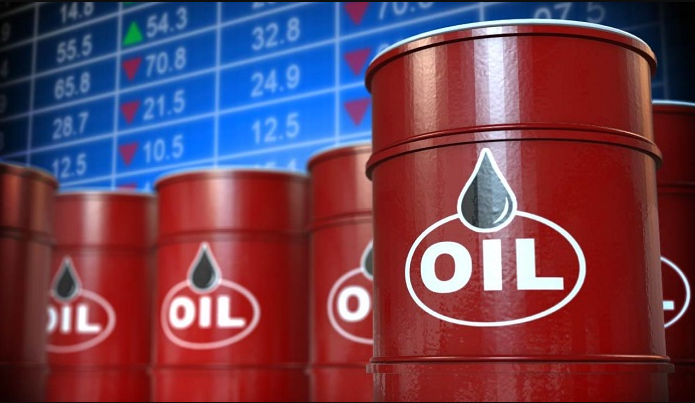
South Africa is set to significantly expand its strategic petroleum reserves to approximately 36 million barrels, marking the country's largest emergency oil stockpile expansion since the apartheid era. This move, outlined in a draft Strategic Petroleum Stocks Policy by the Department of Mineral Resources and Energy (DMRE), aims to shield the economy from future global fuel supply disruptions.
The proposal mandates the government to maintain emergency oil reserves equivalent to 60 days of national demand. Under this plan, about two-thirds of the reserves will be held as crude oil, with the remaining portion consisting of refined petroleum products.
Strengthening Energy Security
This initiative comes as African governments increasingly prioritize energy security following heightened concerns over global oil supply disruptions, particularly those triggered by recent geopolitical tensions involving Iran. The crisis underscored the vulnerability of nations heavily reliant on imported crude oil and refined petroleum products.
The South African government is collaborating with the National Treasury to establish financing arrangements for the acquisition and maintenance of these strategic reserves. The DMRE stated that the National Treasury and the state-owned South African National Petroleum Co. will develop specific financing mechanisms and instruments.
South Africa's economy is heavily dependent on petroleum, consuming an average of 27 billion litres of petroleum products annually. The transport sector alone relies on liquid fuels for about 90% of its energy needs, making any disruption in supply a significant economic and social risk.
Beyond government-owned emergency reserves, the policy will also introduce a mandatory obligation for licensed fuel manufacturers and wholesalers. They will be required to maintain an additional 14 days of refined product stocks, including diesel, petrol, and jet fuel.
Regional Context and Dangote Refinery
The draft policy emphasizes reducing South Africa’s exposure to volatile international oil markets and geopolitical crises, as the country is a net importer of crude oil and refined products. The recent Iran conflict, which caused global oil prices to rise and slowed traffic through the Strait of Hormuz, highlighted this vulnerability.
Across Africa, several governments, including Morocco, Uganda, and Ghana, have announced plans to strengthen fuel storage infrastructure, expand strategic reserves, or increase domestic refining capacity. This regional trend aims to lessen dependence on imported petroleum products.
Nigeria's Dangote Petroleum Refinery has emerged as a significant alternative source of refined fuel on the continent. Unlike South Africa, Nigeria has substantially reduced its reliance on imported petrol since the Dangote refinery ramped up operations.
On March 22, 2026, Nairametrics reported that the Dangote refinery exported 456,000 tonnes of refined petroleum products through 12 cargoes lifted by international traders. These shipments, primarily Premium Motor Spirit (PMS), were delivered to various African countries, including Côte d’Ivoire, Cameroon, Tanzania, Ghana, and Togo.
The refinery further boosted supplies in April, shipping 17 cargoes of gasoline to African markets. Exports of urea fertiliser also increased as buyers sought alternatives to traditional suppliers amidst global supply uncertainty.