Consumers Postpone Major Discretionary Purchases
Nigerians are increasingly putting off major purchases such as cars, homes, and household appliances. High living costs and elevated borrowing rates continue to squeeze household finances across the country.
According to the latest Household Expectations Survey by the Central Bank of Nigeria (CBN), buying conditions for motor vehicles, consumer durables, and buildings and landed property remained well below 30 points. This indicates that consumers generally consider the current period unfavourable for major acquisitions.
The findings suggest that despite a recent moderation in inflation, households remain focused on essential spending. Limited disposable income is leaving very little room for discretionary purchases and long-term investments.
Stark Outlook for Real Estate and Auto Sectors
The CBN survey highlights a very weak willingness to purchase major assets. Willingness to buy motor vehicles stood at 18.7 points, buildings and landed property at 19.2 points, and consumer durables at 24.4 points.
Looking ahead, the outlook index for house purchases recorded a negative reading of -56.9, while cars and motor vehicles stood at -56.3. Household appliances and other durable goods recorded -36.8, investment intentions stood at -35.7, and rent expectations registered at -24.6.
The Buying Conditions Index for major purchases remained below the 50.0 threshold throughout the review period. This confirms that a majority of respondents view the prevailing economic environment as unfavorable for long-term commitments.
Monetary Policy and Inflation Fears Weigh on Sentiment
The Consumer Sentiment Index for average prices of selected items declined to 24.3 points in July from 28.9 points in June, indicating a modest easing in price pressure perceptions. However, consumers remain deeply concerned about future inflation and borrowing costs.
The Consumer Outlook Index for expected price changes stood at 23.3 points over the next three months and 25.0 points over the next six months. Furthermore, 63.4% of households believe the Nigerian economy will deteriorate if inflation accelerates beyond its current pace.
On interest rates, 35.6% of respondents expect bank lending rates to increase over the next three months, while 57.2% prefer rates to decline. Meanwhile, 46.5% acknowledged the need for higher interest rates to help contain inflation.
Essential Spending Dominates Household Budgets
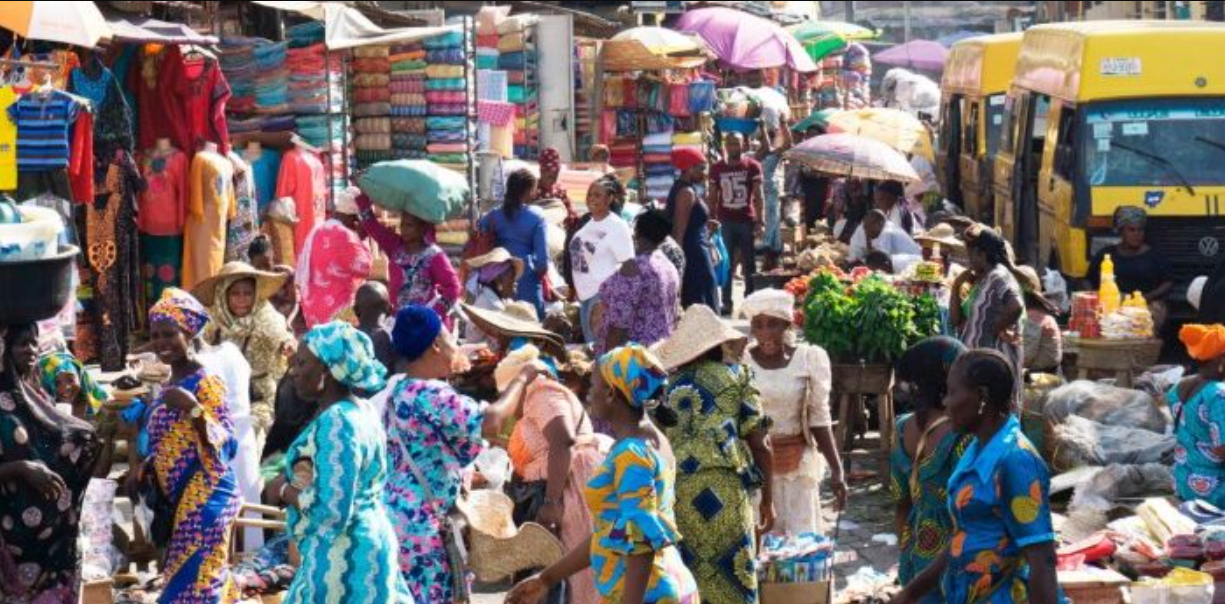
Food remains the primary spending priority for Nigerian households. Other major expenditure areas include household goods, education, transportation, electricity, and water, reflecting a strict prioritization of necessities.
This weak appetite for major purchases comes as the CBN maintains a tight monetary policy stance. At its July 2026 meeting, the Monetary Policy Committee retained the Monetary Policy Rate at 26.5% to contain inflation and preserve macroeconomic stability.
These high benchmark rates have contributed to elevated borrowing costs, making mortgages, vehicle financing, and consumer loans expensive. While headline inflation eased marginally to 15.91% in June 2026 from 15.93% in May, and Lagos food prices showed mixed trajectories with onions climbing 40% in July, the broader squeeze on purchasing power persists.