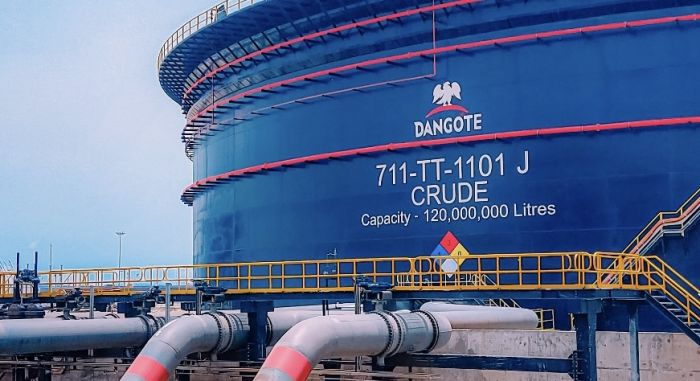
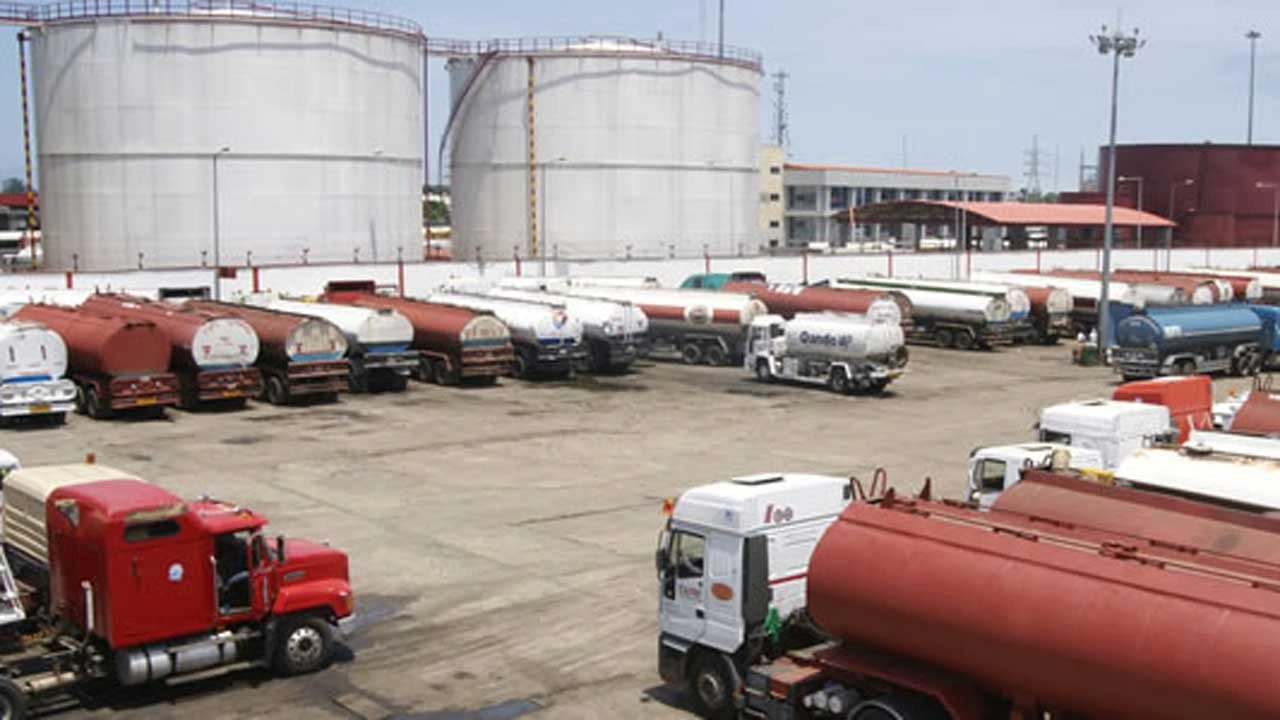
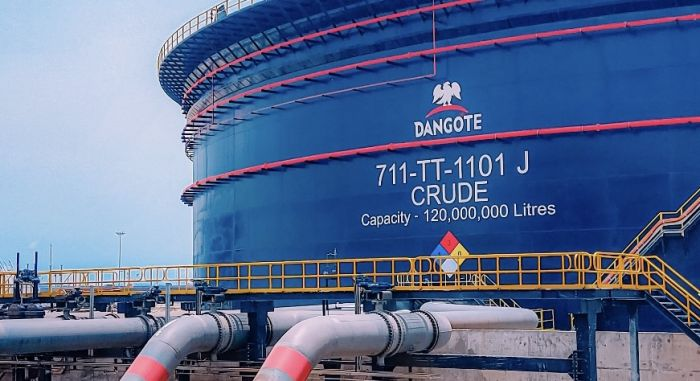
The Dangote Petroleum Refinery has lowered its ex-depot price for petrol by N50 per litre, citing retreating crude oil prices following a fragile de-escalation of Middle East tensions. However, this reduction offers little relief to millions of Nigerians whose finances have been severely impacted by over two years of punishing fuel costs.
Owned by Africa’s richest man, Aliko Dangote, the refinery announced that the new gantry loading price of N1,125 per litre took effect at midnight on Wednesday, June 25, 2026, down from N1,175. Coastal supply prices were also trimmed, dropping from N1,495,215 per metric tonne to N1,428,165.
Since President Bola Tinubu dismantled Nigeria's decades-old petrol subsidy in May 2023, pump prices have surged more than fivefold. This increase has squeezed households, ravaged transport costs, and fueled inflation that, while moderating, remains stubbornly elevated.
For daily earners like traders who stack goods on wooden carts, bus drivers who struggle to cover fuel costs, and families relying on generators for electricity, a N50 cut translates into marginal savings at best. A bus operator in Lagos’s Oshodi district expressed the sentiment, stating, “We are not feeling anything. When it went up, everything in this country went up with it. When it comes down a little, nothing follows.”
The Dangote refinery, which began supplying the domestic market in 2024, has increasingly positioned itself as a price setter in Nigeria’s deregulated downstream sector. Its periodic announcements of price adjustments now function as de facto market signals, especially as the state-owned NNPC Limited is no longer the sole dominant supplier.
This latest price cut follows a global crude selloff triggered by progress in ceasefire negotiations in the Middle East, which eased fears of supply disruptions. Brent crude fell 1.46 percent to $72.66 per barrel by midday Wednesday, while US West Texas Intermediate dropped 1.25 percent to $69.46. Lower feedstock costs, the refinery noted, created room to pass savings downstream, with the company committed to maintaining reliable product supply and efficient service delivery.
Nigeria’s inflation, significantly driven by fuel and transport costs, has left households with sharply reduced purchasing power, even as the naira has shown tentative signs of stabilisation against the dollar. Food prices, which closely track transport costs, remain far above pre-deregulation levels. The Central Bank has kept interest rates elevated to contain inflation, thereby weighing on businesses that rely on credit.
Analysts suggest that for the Dangote refinery’s price reductions to meaningfully translate into consumer relief, the cuts need to cascade effectively through the entire supply chain, from major marketers to filling stations. This process has historically been slow and uneven, with marketers often absorbing margins and independent retailers in areas far from Lagos depots facing additional logistics costs that erode any headline reduction.