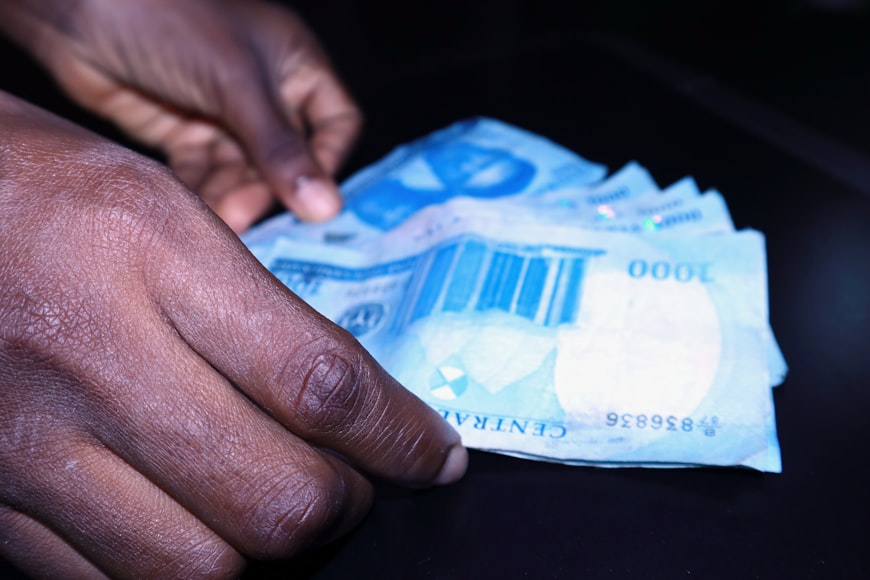
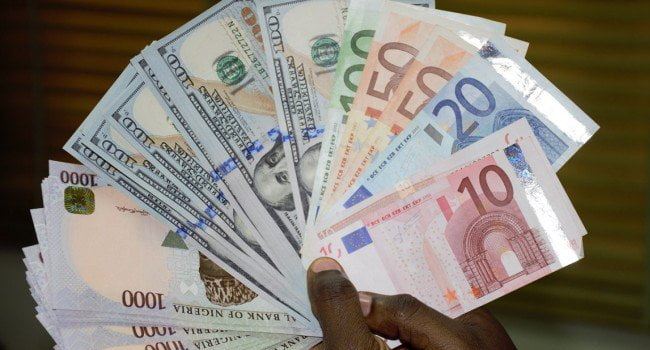
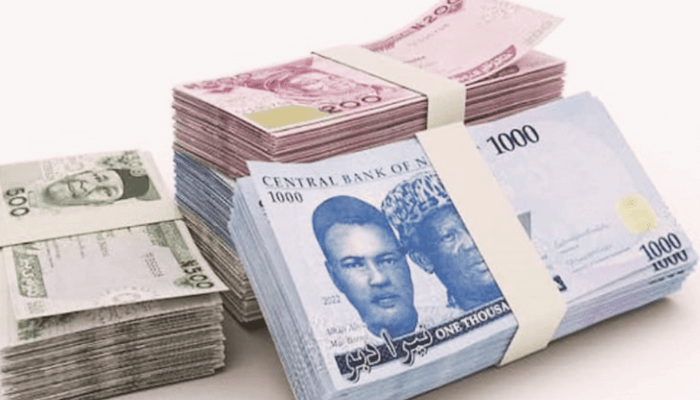
The Nigerian naira depreciated to N1,373/$ at the official foreign exchange market on June 23, 2026. This rate represents its weakest closing in four weeks, influenced by a strengthening U.S. dollar across global markets.
According to data from the Central Bank of Nigeria (CBN), the naira had traded at N1,369/$ on Monday, June 22, 2026. The latest close is the weakest since May 26, 2026, when the currency settled at N1,374/$.
Naira's Recent Depreciation Trend
Recent trading data indicates sustained pressure on the naira in the second half of June. The currency weakened from N1,356/$ on June 15 to N1,373/$ on June 23, representing a depreciation of N17 or 1.25% within eight trading days.
The naira traded at N1,361.5/$ on June 17, further weakening to N1,365.5/$ on June 18. It closed at N1,371.5/$ on June 19 and N1,369/$ on June 22 before reaching N1,373/$ on June 23. This movement reflects a gradual loss of momentum after the naira had strengthened in mid-June.
Global Dollar Strength Impacts Naira
The naira's decline coincides with a global strengthening of the U.S. dollar, driven by expectations that the Federal Reserve may maintain a hawkish monetary policy stance. The U.S. Dollar Index increased by 0.38% to 101.39, touching its highest level since May 2025.
The euro also weakened to approximately $1.138, its lowest point in over a year, while the Japanese yen traded near 161.55 per dollar. Chicago Federal Reserve President Austan Goolsbee noted that policymakers remain focused on inflation risks despite a stable labor market.
Mallam Muftau Yusuf, a financial economist at Kwik Securities Ltd, explained that a stronger dollar environment often challenges emerging and frontier market currencies. He stated, “When global investors move toward dollar-denominated assets because of higher U.S. yields, emerging market currencies tend to face pressure. Nigeria is not insulated from these global developments.”
Rising Foreign Reserves Provide Context
This recent depreciation occurs despite a significant improvement in Nigeria’s external reserve position. Nigeria’s foreign reserves recently rose above $51 billion, reaching their highest level since 2009.
External reserves gained more than $1 billion in the first half of June 2026, supported by stronger foreign exchange inflows. The CBN has maintained a relatively stable exchange rate framework in recent months through ongoing market reforms and improved liquidity conditions.
The CBN had projected a stronger reserve position for 2026, forecasting Nigeria’s external reserves to rise to about $51.04 billion. This projection was anchored on stronger oil earnings, foreign exchange market reforms, and improved external capital inflows.