The Nigeria Customs Service Lilypond Export Command recorded an export value of $792.56 million in the second quarter of 2026. This represents a 14.4% decline from the $925.8 million processed during the first quarter of the year.
Comptroller Samuel Ariyibi, the Customs Area Controller of the Lilypond Export Command, announced the quarter-on-quarter drop of $133.24 million during a press briefing in Lagos. Despite the short-term decline, Ariyibi noted that the command performed better than the previous year, with export values rising 24.35% from the $599.60 million recorded in Q2 2025.
Agricultural Slump Drags Overall Export Value
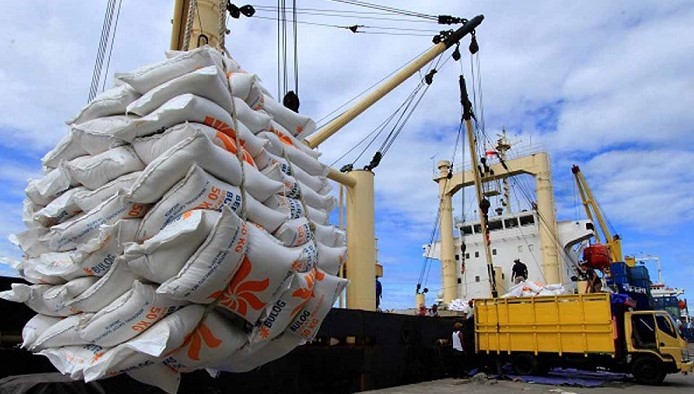
The overall decline in export value during the second quarter was primarily driven by a sharp drop in agricultural exports. Agricultural shipments, which remain the largest export segment for the command, fell from $608.46 million in Q1 2026 to $422.08 million in Q2 2026.
Despite the lower monetary value, container volume showed positive growth. The command processed 5,510 export containers in Q2 2026, up from 3,732 containers in Q2 2025, representing an increase of 1,778 containers or 32.27% growth in throughput.
Ariyibi stated that the performance highlights the command's role as a dedicated hub for containerised export processing. This specialization follows a consolidation directive issued by the Comptroller-General of Customs, Bashir Adewale Adeniyi.
Manufacturing and Solid Minerals Performance
In contrast to the agricultural sector, manufactured goods exports showed positive momentum. Manufacturing exports increased from $297.36 million in Q1 2026 to $350.67 million in Q2 2026, indicating progress in industrial diversification.
Solid mineral exports remained low but recorded a slight increase, rising from $5.23 million in Q1 2026 to $7.17 million in Q2 2026. Customs officials attributed the low solid mineral export figures to government policies that encourage local processing and value addition before export.
Centralised Export Infrastructure and Historical Context
The Lilypond Export Command serves as a central hub for Nigeria's non-oil export infrastructure. Export documentation is processed at the command before cargo is cleared for movement through major ports, including Apapa, Tin Can Island, PTML, and Lekki.
Historically, the command has played a significant role in revenue generation and trade facilitation. In the first quarter of 2025, the command generated N7.1 billion in Nigerian Export Supervision Scheme revenue. Additionally, it processed 27,721 containers and non-oil exports valued at $1.586 billion between January and June 2025.