Nigeria’s investment environment underwent a fundamental shift between 2020 and 2025, forcing investors to abandon traditional wealth preservation strategies. A report by Comercio Partners, titled "10 Years of Money Market and Living Costs Part 3," highlights how persistent inflation and currency depreciation eroded the value of conservative assets.
The report reveals that traditional safe havens failed to preserve purchasing power over the six-year period. Investors who relied on pre-2020 strategies, assuming cash and Treasury bills were safe, became systematically poorer in real terms.
Negative Real Returns Erase Treasury Bill Value
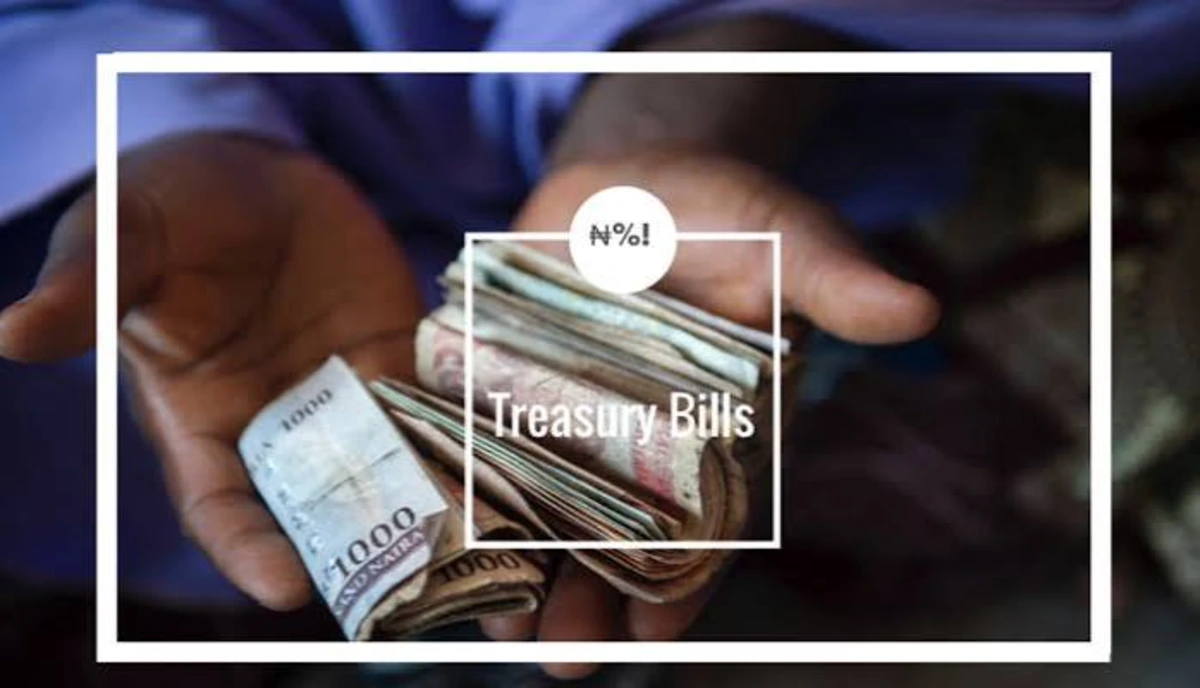
Fixed-income instruments like Treasury bills offered an illusion of safety because their nominal naira value remained stable. However, the report shows that Nigerian fixed income delivered six consecutive years of negative real returns from 2020 to 2025 because yields failed to clear the inflation rate.
For context, an investor who parked ₦1 million in Treasury bills in 2020 and rolled them over annually saw nominal growth, but lost about half of their purchasing power. While these instruments remained useful for short-term liquidity management and cash flow matching, they failed as wealth preservation tools.
In 2024, nominal yields attracted foreign portfolio investors on a currency-stabilized basis, but local investors still faced real capital erosion. To protect their capital, investors had to rotate into riskier asset classes.
Equities and Property Offer Inflation Protection
Equities emerged as a highly rewarding but complex asset class during this period. The report notes that stock market returns only served as an inflation hedge in years when companies could raise prices faster than their operating costs rose.
The market rewarded specific companies that possessed strong repricing power, dollar-linked revenues, and expanding balance sheets. When the naira depreciated, these businesses successfully passed rising costs to consumers, allowing their earnings to outpace inflation.
Similarly, real estate provided an effective hedge because construction costs are directly linked to the US dollar. As the naira fell, the replacement cost of existing buildings surged, driving up property values and rental yields in high-demand cities like Lagos.