Ghana has announced plans to remove some fuel taxes and levies along the supply chain in a bid to curb rising pump prices driven by global energy shocks.
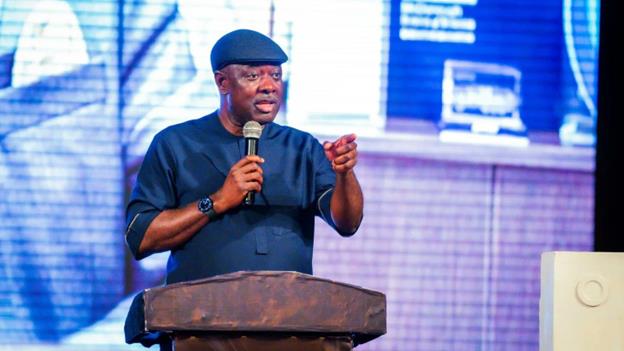
Government spokesperson Felix Kwakye Ofosu disclosed this on Thursday, noting that the measures are expected to take effect within a week following consultations with key stakeholders.
The move is aimed at cushioning consumers from the economic impact of the ongoing Iran war, which has caused global energy prices to surge since it began on February 28.
Kwakye said the government is aware of the scale of the intervention required, noting that the tax suspension would be substantial and initially last for four weeks, after which authorities will reassess the situation.
Ghana, which imports about 70% of its refined fuel, has seen a sharp rise in pump prices since the outbreak of the conflict, reflecting broader global trends.
The country had already adjusted fuel prices upward, with the National Petroleum Authority raising mandatory minimum price floors for the April 1–15 pricing window.
This pushed petrol prices up by about 15% to 13.30 cedis ($1.21) per litre, while diesel rose roughly 19% to 17.10 cedis ($1.55).
Although the ongoing conflict is beginning to weigh on economies globally, Ghana’s inflation showed signs of easing, coming in at 3.2% year-on-year in March 2026, slightly down from 3.3% recorded in February. This marks the lowest inflation level recorded in the country since 2021.