Fitch Ratings has issued a warning that Nigeria’s proposed $5 billion Total Return Swap (TRS) with First Abu Dhabi Bank could complicate any future debt restructuring and obscure sovereign debt risks. This caution was detailed in a new Fitch report titled “Emerging Market Sovereigns’ Use of Total Return Swaps Raises Risks: Balancing Transparency and Recovery Risks Against Financing Flexibility.”
The Nigerian Senate had approved the proposed transaction in April 2026, aiming to refinance expensive debt and fund critical infrastructure projects. This marks Nigeria’s entry into a financing instrument previously utilized by Angola and Senegal.
Transparency and Structural Risks Highlighted
The deal, set to mature in 2032, involves pledging N6.67 billion worth of local-currency bonds as collateral in exchange for hard-currency liquidity. While TRS can offer cheaper financing and diversify funding sources, Fitch noted they carry significant structural and transparency risks.
Fitch stated that TRS arrangements may be structured under contractual agreements with only partial disclosure of terms and conditions. This lack of transparency can reduce clarity on the true scale and terms of sovereign borrowing.
The rating agency believes that Nigeria's proposed structure, which pledges naira-denominated bonds against hard-currency financing, is motivated by funding diversification and liquidity management. However, it warned that “Margin calls payable in U.S. dollars against naira-denominated collateral could intensify liquidity pressures if domestic yields rise or the naira weakens.”
Implications for Sovereign Ratings and Default Risk
Total Return Swap transactions are typically structured as derivatives and may not always be recorded as conventional public debt. Fitch emphasized that limited disclosure of their terms could raise concerns about transparency, governance, and the actual extent of sovereign borrowing.
Material gaps in transparency could negatively impact Fitch’s Issuer Default Rating assessment, especially if terms include margin calls or early termination clauses activated during financial stress. Most TRS arrangements involve sovereign bonds as collateral, linking their value directly to the government’s credit profile. Falling bond prices could trigger unplanned demands for hard-currency payments when external liquidity is already strained.
Fitch further warned that if a government cannot repay the financing amount in cash upon TRS termination, it could constitute a default under its sovereign rating criteria.
International Precedents and IMF Warning
Nigeria’s proposed deal follows similar transactions in Angola and Senegal, though Fitch noted these countries adopted the financing structure under different economic circumstances. Angola’s initial transactions occurred during reduced market access, while its later operations and Nigeria’s proposed deal focus more on diversifying funding and supporting liquidity management.
Angola’s earlier reliance on the instrument demonstrated the risks associated with margin calls, which compelled the government to draw from its reserves. Senegal’s transactions, conversely, aimed to secure financing at lower costs than prevailing Eurobond yields.
Fitch also indicated that the scale of a country’s TRS exposure is crucial in determining risk levels. While Nigeria’s proposed $5 billion facility is substantial, the risk could escalate if TRS financing grows as a proportion of the country’s total external debt.
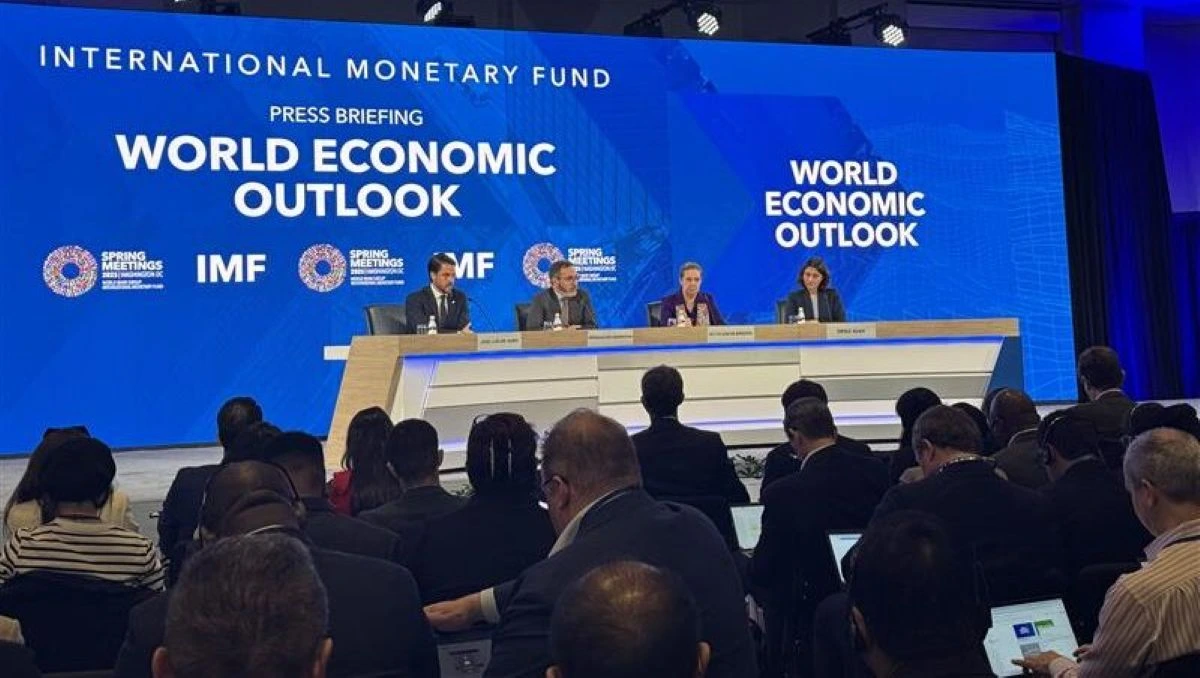
Earlier in June 2026, the International Monetary Fund (IMF) also cautioned Nigeria regarding its plan to raise up to $5 billion through the derivatives-based financing arrangement with First Abu Dhabi Bank. The IMF warned that such transactions are often complex and may lack sufficient transparency.
The Fund highlighted that the terms of derivatives-based sovereign financing arrangements can be difficult to assess. It cautioned that these transactions could expose participating countries to significant fiscal and liquidity risks, particularly where repayment obligations are linked to market movements or exchange-rate changes.