FG Urges Immediate Flood Preparedness
The Federal Government on Wednesday called on Nigerians to commence immediate preparations for potential flooding as the rainy season intensifies. This warning comes amidst concerns that climate change has significantly altered the country’s rainfall patterns, heightening flood risks across several states.
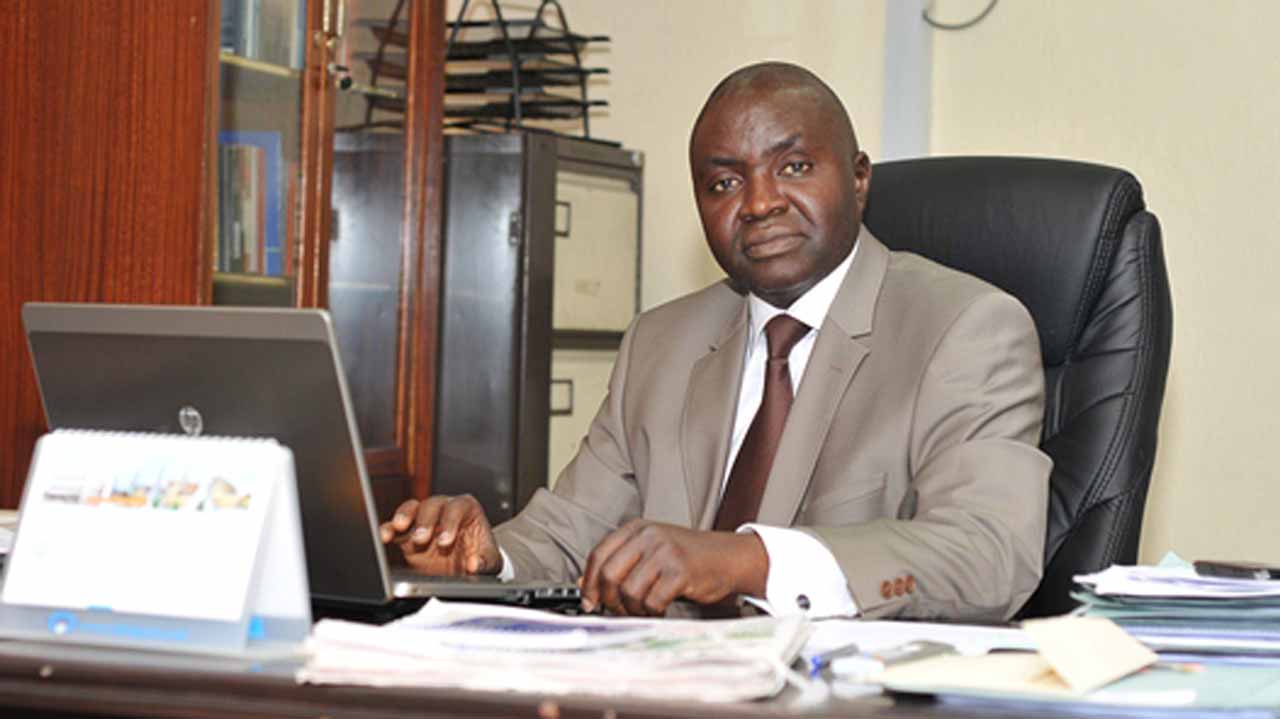
Yussuf Kelani, Special Assistant to the President on Climate Change Matters, issued the statement in Abuja. He highlighted that recent flooding in Lagos and other parts of the country should serve as a critical wake-up call for governments, communities, and citizens to prioritize disaster preparedness and climate resilience.
Climate Change Alters Rainfall Patterns
Kelani emphasized that climate change is no longer a future environmental concern but a present-day national development challenge requiring coordinated action. He explained that climate change has altered the frequency, duration, and intensity of rainfall across many regions.
Instead of moderate rainfall spread over several days, communities increasingly experience short-duration but extremely heavy downpours. These intense rains overwhelm drainage infrastructure, flood rivers, destroy roads, and displace entire communities.
Scientific evidence indicates that rising global temperatures are increasing atmospheric moisture, resulting in heavier rainfall and more frequent flooding. This also contributes to coastal erosion, desertification, and prolonged droughts in various parts of Nigeria.
Past Disasters Highlight Vulnerability
The presidential aide noted that recent floods, which submerged roads, disrupted businesses, and damaged homes in Lagos and other locations, underscore the growing vulnerability of urban centres to climate-related disasters. He stated that every flood is ultimately a human tragedy, with thousands of Nigerians suffering losses of property, livelihoods, and productivity.
Flood risks extend beyond Lagos, with communities along the Rivers Niger and Benue, as well as states in the North-Central, South-South, South-East, parts of the North-West, and coastal regions, remaining highly vulnerable. Kelani warned that waiting until floodwaters arrive is waiting too late for those in flood-prone communities.
The devastating 2022 floods, one of the country’s worst in decades, affected more than 30 states, killed over 600 people, and displaced about 1.4 million residents. These floods also destroyed thousands of homes, schools, roads, and farmlands.
Coordinated Action for Resilience
Kelani urged state governments, local government councils, traditional institutions, religious organisations, and community associations to strengthen public awareness campaigns. He also called for the inspection of drainage infrastructure and the activation of emergency response plans before the peak of the rainy season.
Nigerians are encouraged to adopt environmentally responsible practices, including regular clearing of drainage channels, proper waste disposal, tree planting, and adherence to weather forecasts and flood advisories. Kelani stressed that climate resilience begins with environmental responsibility.
Drawing lessons from countries such as the Netherlands, Japan, Bangladesh, Kenya, and Pakistan, he highlighted the need for Nigeria to increase investment in modern drainage infrastructure, flood forecasting, and early warning systems. Sustainable urban planning, wetland restoration, and other climate adaptation measures are also crucial.
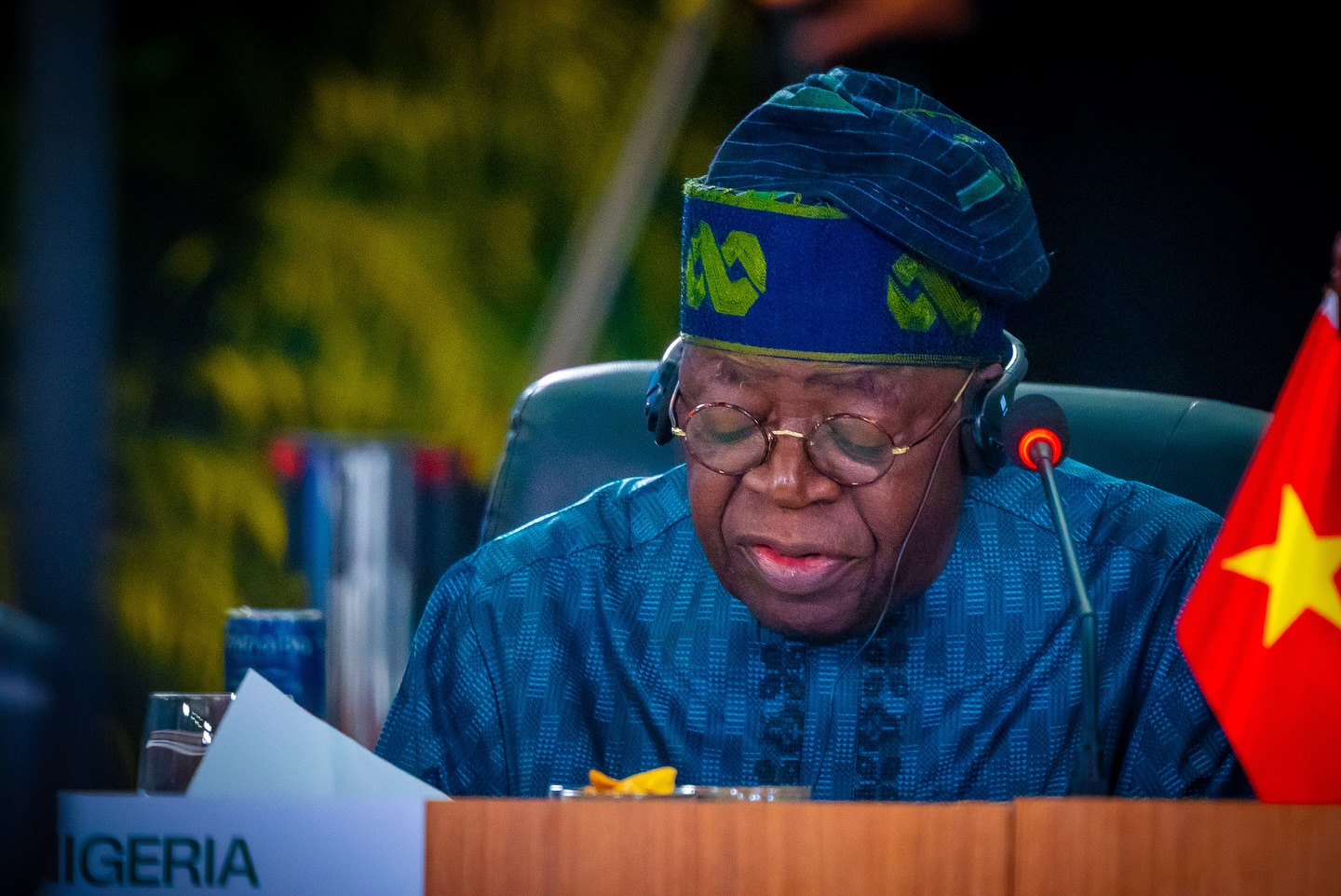
The Federal Government, under President Bola Tinubu’s Renewed Hope Agenda, remains committed to implementing the Climate Change Act, the Energy Transition Plan, and Nigeria’s Nationally Determined Contributions to strengthen climate resilience. However, Kelani emphasized that government efforts alone would not suffice, requiring responsible citizen action.
The Nigerian Meteorological Agency and the Nigeria Hydrological Services Agency have consistently warned that above-normal rainfall and rising water levels could trigger flooding in vulnerable communities. This underscores the need for early preparedness, improved infrastructure, and stronger climate adaptation measures to minimize the impact on lives and livelihoods.