The Federal Government of Nigeria is seeking to unlock private capital to expand Compressed Natural Gas (CNG) refuelling stations, Electric Vehicle (EV) charging infrastructure, and local vehicle manufacturing.
Speaking at the 3rd Nigeria Auto Industry Summit (NAISU), Joseph Osanipin, the director-general of the National Automotive Design and Development Council (NADDC), identified private investment as critical to scaling the country's emerging clean transport ecosystem.
Osanipin, represented by public relations director Susan Taiwo, noted that the council has spent over two decades laying the foundation for Nigeria's automotive transformation, with a strong focus on electric vehicles and alternative energy solutions.
Expanding the CNG and EV Footprint
Despite certifying 345 CNG conversion centres across Nigeria to ensure safety and operational compliance, the government admitted that the number of refuelling stations remains limited.
Osanipin emphasized that the public sector alone cannot build the required infrastructure to prevent delays for motorists seeking to refill their tanks, making private sector participation essential.
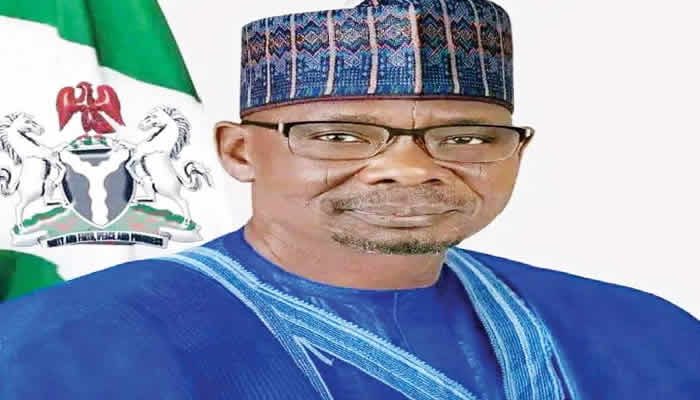
Ismaeel Ahmed, executive chairman of the Presidential Initiative on Compressed Natural Gas and Electric Vehicles (Pi-CNG & EV), echoed this sentiment. Represented by chief compliance officer Zayyanu Yabo, Ahmed stated that the initiative aims to build a complete ecosystem supporting infrastructure, vehicle conversion, local manufacturing, and consumer financing.
Enforcing Safety and Technical Standards
To support this transition, the Standards Organisation of Nigeria (SON) has developed more than 80 Nigerian Industrial Standards for CNG vehicles and equipment.
Olalekan Omoniyi, representing SON director-general Ifeanyi Okeke, revealed that the agency has also established 87 additional standards alongside the National Nigeria Guideline (NNG 1214:2024) for CNG vehicle conversions.
SON is currently developing standards for electric vehicles, charging infrastructure, batteries, and battery-swapping systems. Okeke warned against the proliferation of uncertified conversion centres and substandard equipment, which have contributed to recent explosions and fire incidents.
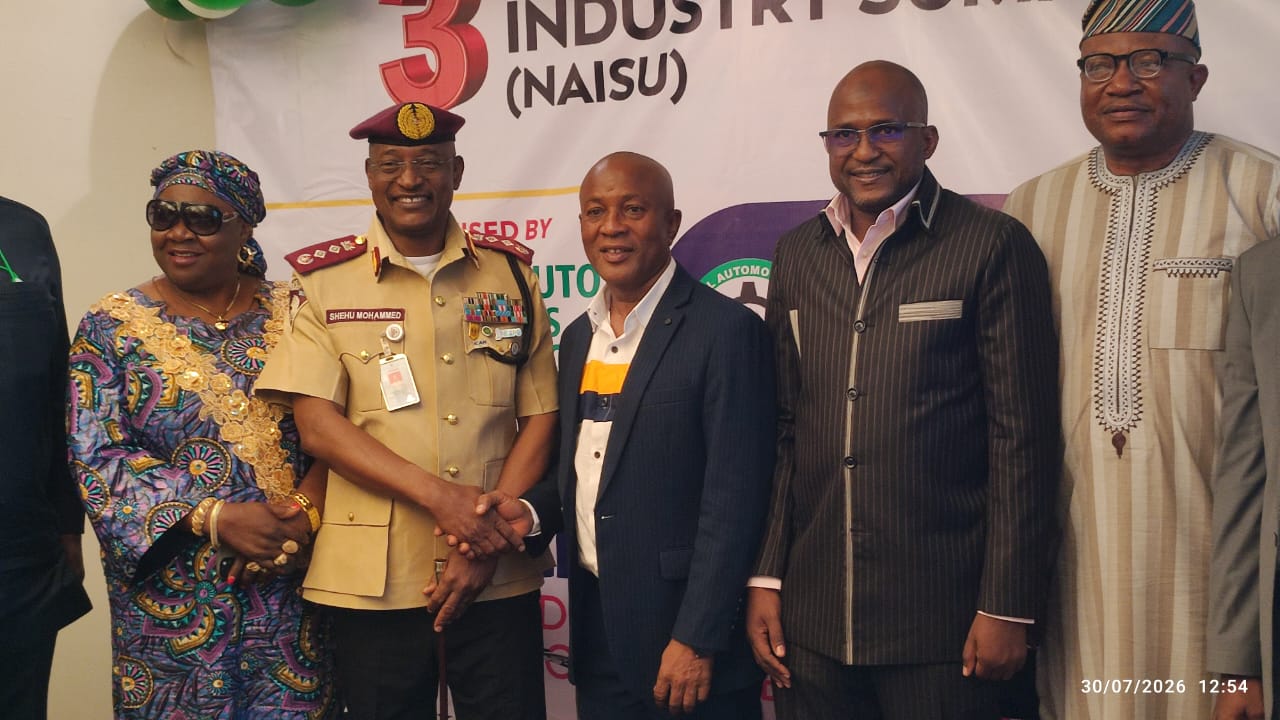
The Federal Road Safety Corps (FRSC) is also adapting its operations to the clean energy shift. Corps Marshal Shehu Mohammed stated that regulatory institutions must implement specialized training and stronger enforcement to ensure that cleaner mobility improves both environmental sustainability and road safety.