Nigeria Has Domestic Capital for Infrastructure Gap: Nasarawa Gov

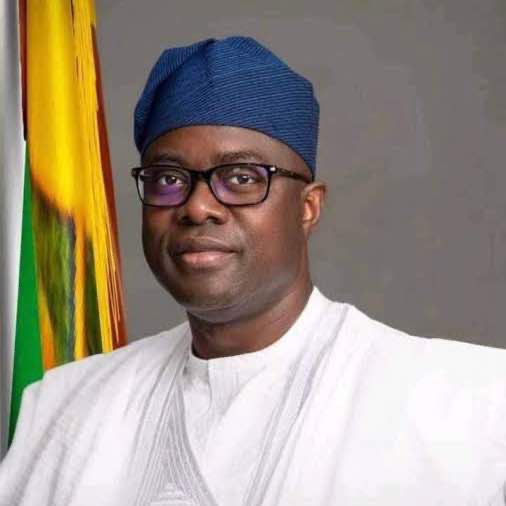
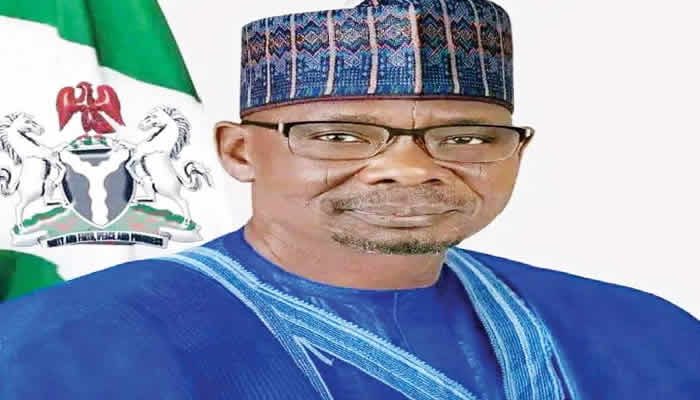
Governor Abdullahi Sule stated Nigeria possesses sufficient domestic liquidity to fund its infrastructure deficit, provided transparent investment structures are established.

NGN Market

Written by NGN Market

·3 min read
Nigeria Has Domestic Capital for Infrastructure Gap: Nasarawa Gov

Governor Abdullahi Sule of Nasarawa State asserted that Nigeria possesses ample domestic capital to address its infrastructure deficit, emphasizing the need for transparent structures to attract and secure investments. He delivered his keynote address at the 2026 Infrastructure Dialogue in Abuja, themed “Building Nigeria’s Future: The Strategic Role of DFIs and Capital Markets in Infrastructure Financing and Economic Development.”

Drawing on his experience as former Group Managing Director of Dangote Refinery, Sule highlighted the significant investor interest in the private sector as proof of substantial available capital within Nigeria. He suggested that a 30% stake in a $20 billion enterprise like Dangote Refinery could be oversubscribed by at least three times by entities such as PENCOM, banks, and hedge funds, indicating a potential $6 billion injection.

Sule noted that investors prioritize return on investment, transparency, and trust over physical assets. He cited Nasarawa State's transformation from a civil service-dominated economy to an industrial hub, attributing this to an executive order requiring solid mineral firms to process raw materials within the state, which attracted major lithium processing plants. The state's Internally Generated Revenue (IGR) surged from N7 billion annually in 2019 to about N36 billion currently, without resorting to foreign loans due to exchange rate risks. Instead, the administration focused on blocking revenue leakages and developing infrastructure to support mining and agriculture.
Advertisement

Dr. Onuoha Nnachi, Convener of the dialogue and Managing Partner of Deutsche Partners Holdings, stated that Nigeria's infrastructure deficit was estimated at $30.1 trillion in 2024. He explained that 62% of this deficit is in economic infrastructure, which is commercially viable and can be financed by the private sector, as government budgets are insufficient. Nnachi advocated for governments to focus on social infrastructure like schools and hospitals, while the private sector drives economic infrastructure development.

Nnachi commended Nasarawa State for establishing a legislative framework for its infrastructure fund, earmarking a portion of state revenue for long-term development. The Chairman of the occasion, Governor Agbu Kefas of Taraba State, described infrastructure as the bedrock of economic and social life. He called for a shift from reliance on sovereign budgets to blended finance and green bonds to meet Africa's estimated $100 billion annual infrastructure financing gap.

The Inspector-General of Police, Olatunji Disu, represented by CP Justin Obiora, stressed that sustainable development requires a secure environment. He mentioned the Nigeria Police Force's adoption of technology-driven policing, including advanced surveillance along critical corridors, to protect infrastructure from vandalism and sabotage.

The 2026 Infrastructure Dialogue convened policymakers, development finance institutions, and private sector leaders to align capital with Nigeria's development priorities.

Advertisement

Advertisement