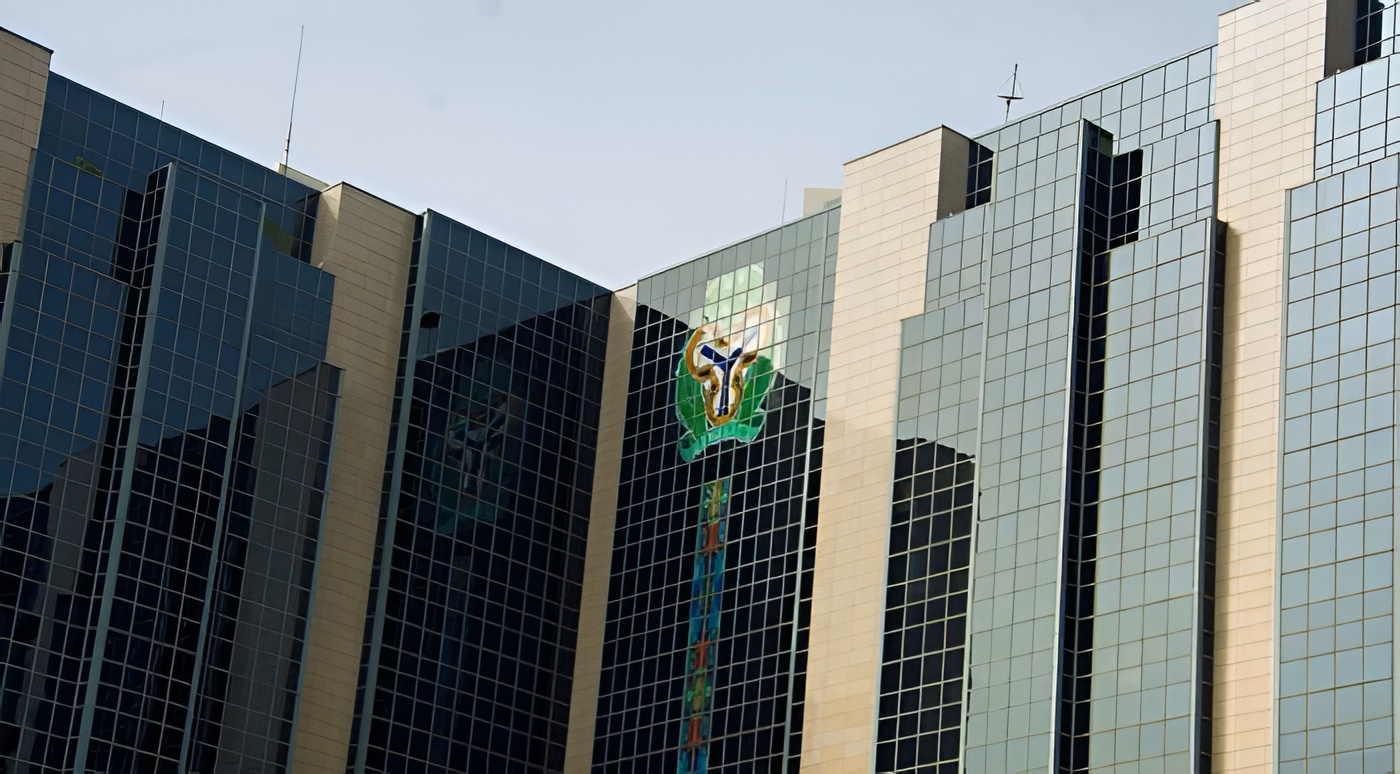
Economists are offering varied predictions ahead of the Central Bank of Nigeria (CBN)’s Monetary Policy Committee (MPC) meeting, scheduled for July 20 and 21. The debate centers on the committee’s potential decision regarding the benchmark interest rate, known as the Monetary Policy Rate (MPR).
At its 305th meeting, held from May 19 to 20 in Abuja, the MPC opted to retain the MPR at 26.5 per cent. This followed a 50-basis-point reduction in February, which saw the rate decrease from 27 per cent. The MPR had been held at 27 per cent since November 2025 before the February adjustment.
CBN Governor Olayemi Cardoso explained the May decision, citing a recent uptick in inflation and external shocks. He expressed confidence in the current macroeconomic environment to support a return to disinflation, despite the transitory nature of these pressures.
Data from the National Bureau of Statistics (NBS) shows that Nigeria’s headline inflation increased for the third consecutive month. It reached 15.93 per cent in May, rising from 15.69 per cent in April and 15.38 per cent in March.
The NBS attributed this increase primarily to higher food prices. These were driven by rising global oil prices, a consequence of tensions in the Middle East disrupting oil shipping through the Strait of Hormuz.
Experts Weigh In on Policy Direction
Felicia Awolope, an economist and investment researcher at Meristem Securities Limited, anticipates the CBN will retain the benchmark interest rate. She highlighted the persistent inflationary risks, particularly from ongoing geopolitical tensions globally, which could keep global interest rates elevated.
Ms. Awolope stated, “Inflationary risks are still very much present, particularly with the ongoing geopolitical tensions in the global space, so that should reduce the likelihood of a cut.” She added that a hike is unlikely as current pressures are not expected to significantly escalate inflation figures in the near term, thus avoiding worsening financing conditions for the real sector.
Matilda Adefalujo, an investment research analyst also at Meristem Securities Limited, echoed this sentiment. She forecast that the MPC would maintain the MPR at 26.50 per cent throughout the second half of 2026, adopting a cautious "wait-and-see" approach to monitor inflation trajectory.
Ms. Adefalujo emphasized the need to maintain attractive rates amidst a potentially "higher-for-longer" global interest rate environment and persistent price uncertainty. She noted that a premature hike risks further demand reduction in an already strained economy, while a rate cut is difficult to justify against a backdrop of prolonged elevated inflation.
In contrast, Aliyu Ilias, an economist and development expert, offered a differing perspective. He predicted that the CBN will cut the MPR by at least 50 basis points at its upcoming meeting, arguing that improving macroeconomic stability provides room for monetary easing.