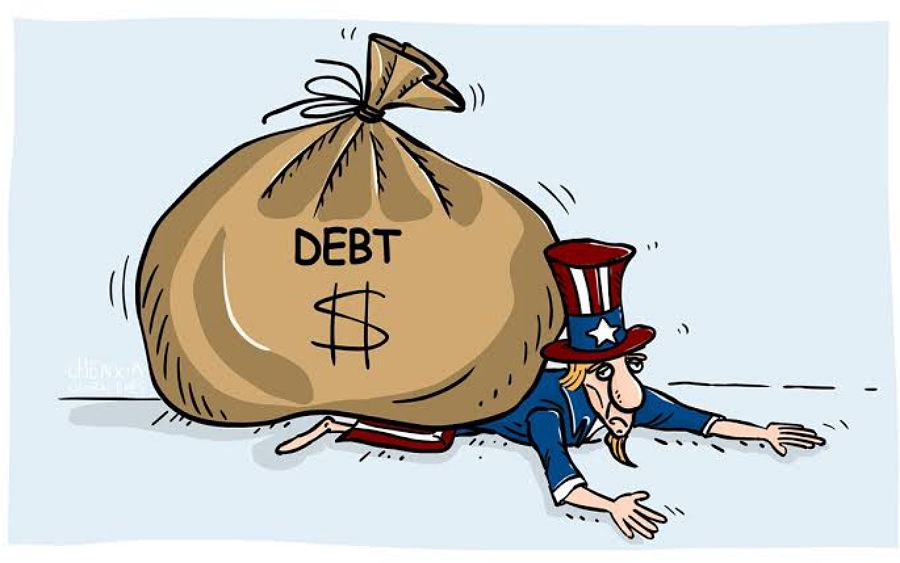
Energy expert Dan Kunle has formally urged President Bola Tinubu to suspend further commitments to the proposed $27 billion (approximately ₦43.2 trillion) African Atlantic Gas Pipeline. Mr. Kunle argues that the project currently lacks sufficient commercial justification and risks becoming a costly national asset with limited economic returns.
In an open letter addressed to the President dated 23 July—his third such correspondence within three weeks—Mr. Kunle stated that Nigeria must prioritise domestic gas utilisation over ambitious regional export projects until critical questions regarding supply, financing, and market demand are definitively resolved.
ECOWAS Endorsement and Kunle's Critique
Mr. Kunle’s warning follows the unanimous endorsement of the African Atlantic Gas Pipeline project by Economic Community of West African States (ECOWAS) member states on 19 July. This endorsement occurred after the signing of an Intergovernmental Agreement (IGA) in Lungi, Sierra Leone.
Despite the political momentum, Mr. Kunle criticised the project as potentially another “Memorandum of Misunderstanding.” He highlighted the discrepancy between political ambition and economic reality, noting that a project company, investors, and a final investment decision are still required before construction can become a commercial reality.
Project Challenges and Alternatives
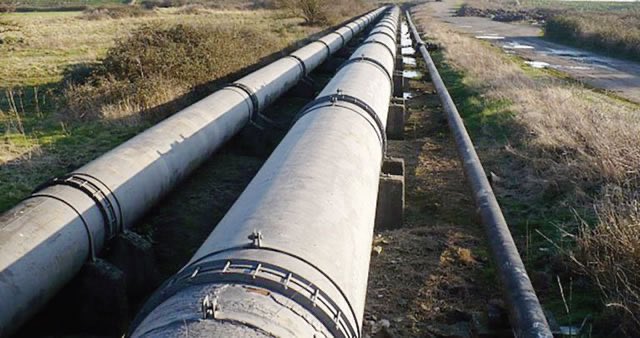
Mr. Kunle further warned that the project faces severe financial, legal, and geopolitical obstacles. Unlike the Trans-Saharan Gas Pipeline, which involves only three countries, the African Atlantic Gas Pipeline would traverse or connect more than a dozen West African nations.
Each of these nations possesses disparate regulatory systems, fiscal regimes, and political landscapes. He questioned how participating countries would finance such a massive capital outlay and who would bear the burden if nations fail to meet their obligations for the almost 7,000 kilometres pipeline.
The expert advocated for a shift in strategy, arguing that Nigeria would derive greater economic value by converting gas into electricity and industrial products such as fertilisers, petrochemicals, methanol, and steel. He noted Nigeria’s past error of exporting crude oil while importing refined petroleum products, urging against repeating this with gas.
Mr. Kunle suggested that Liquefied Natural Gas (LNG) offers a more flexible and commercially viable alternative to a fixed transcontinental pipeline. LNG allows for redirected cargoes based on market demand, providing greater adaptability.
Recommendation to the Presidency
Mr. Kunle urged President Tinubu to direct the Presidential Petroleum Reform and Value Optimisation Taskforce, chaired by Mr. Fola Adeola, to conduct an independent commercial, financial, and strategic review of the pipeline project.
He insisted that the pipeline should proceed only if it is privately financed, backed by enforceable commercial agreements, and demonstrably offers superior benefits to Nigeria compared with alternative investments. Mr. Kunle concluded that the government should first publish an independent national gas plan showing how Nigeria will supply its power stations, industries, and other national obligations over the coming decades, with only genuinely surplus gas considered for new long-term exports.