The ambitious African Atlantic Gas Pipeline (AAGP) project has moved closer to implementation following the signing of its Intergovernmental Agreement by Heads of State of the Economic Community of West African States (ECOWAS) at their summit in Freetown, Sierra Leone, over the weekend.
This agreement provides the necessary sovereign backing to advance the pipeline, which is jointly promoted by the Nigerian National Petroleum Company Limited (NNPC Limited) and Morocco’s Office National des Hydrocarbures et des Mines (ONHYM).
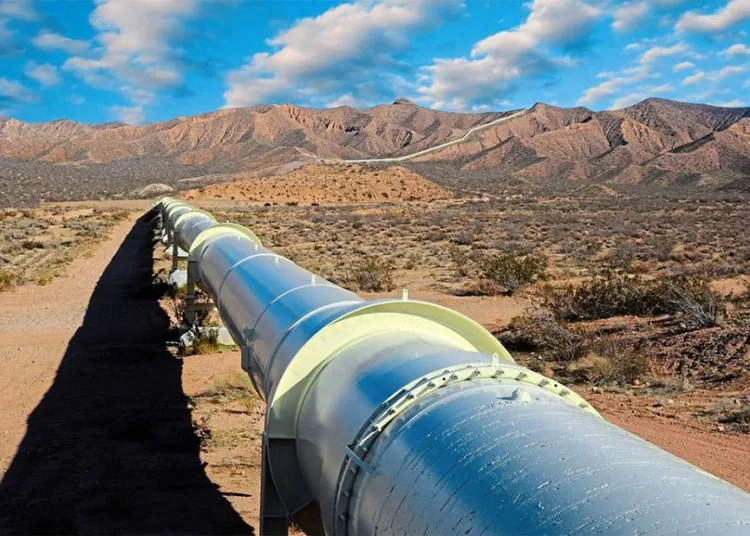
The AAGP is planned to span nearly 6,900 kilometres along the West African Atlantic coast. It is designed to connect Nigeria’s vast gas resources with markets across West Africa, the Sahel, Morocco, and Europe.
Annually, the pipeline is expected to transport 30 billion cubic metres of natural gas. Of this capacity, up to 15 billion cubic metres could be supplied to Morocco and European markets, as stated by NNPC.
The project is envisioned to create a new energy corridor, linking the West African coast to the Maghreb-Europe Gas Pipeline. This will open a crucial route for African gas to reach Morocco and broader European markets.
According to Andy Odeh, Chief Corporate Communications Officer of NNPC Limited, the AAGP is a transformative regional infrastructure project. It aims to unlock West Africa’s natural gas resources, integrate African energy markets, and establish a strategic development corridor.
The agreement signed by ECOWAS member states gives effect to the approval granted at the 66th Ordinary Session of the ECOWAS Summit held in Abuja in December 2024. This also concludes the institutional process coordinated by ECOWAS, building on the 2022 Memorandum of Understanding signed by Nigeria and Morocco.
The remaining step to complete the intergovernmental framework involves the signing of the agreement by the Kingdom of Morocco and the Islamic Republic of Mauritania. The project was initiated under the shared vision of the late President Muhammadu Buhari and Morocco’s King Mohammed VI, and continues to receive support from President Bola Tinubu.
Significant preparatory work has already been completed, including Front-End Engineering Design studies, route reconnaissance surveys, environmental and social studies, and the establishment of key legal, regulatory, and commercial frameworks. These milestones, according to NNPC, have positioned the project for its next stage of implementation.
The pipeline will run from Nigeria through 13 Atlantic coastal countries, with interconnections planned to serve landlocked Sahel nations. It is intended to strengthen energy access, drive industrialisation, and deepen regional integration across the continent.
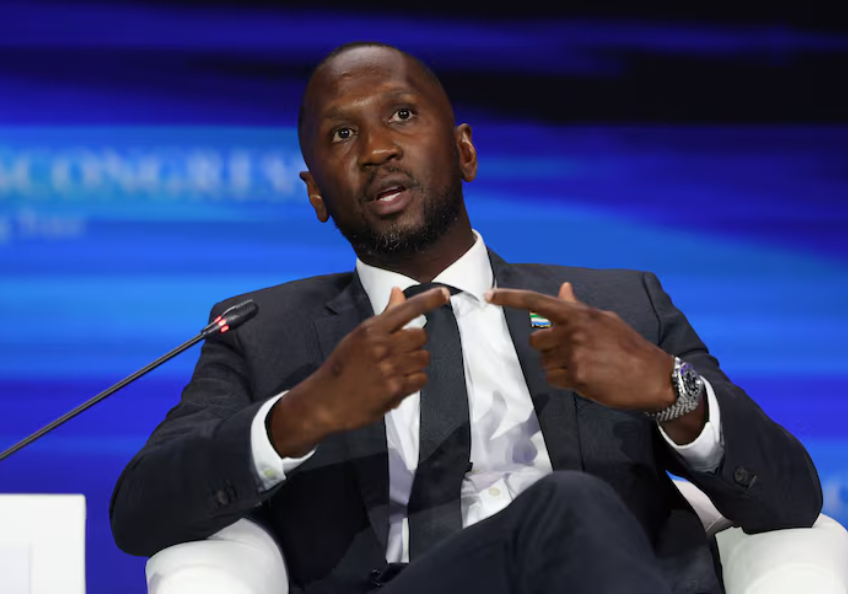
Bashir Bayo Ojulari, Group Chief Executive Officer of NNPC Limited, stated that this milestone provides the sovereign foundation needed to move the project from planning to delivery. He highlighted that the AAGP is central to President Bola Ahmed Tinubu GCFR’s mandate, providing the infrastructure to bring about 3 bcf/d of Nigerian gas to market.
Nigeria, possessing one of Africa’s largest natural gas reserves, has faced infrastructure constraints limiting its ability to fully monetise these resources. The AAGP is therefore expected to provide a major export route while also supporting domestic and regional energy demand.
Amina Benkhadra, Director-General of ONHYM, described the latest development as another major milestone, reflecting the shared vision of the Nigerian and Moroccan governments for an integrated Atlantic Africa.
Following the planned signatures by Morocco and Mauritania, the Pipeline Higher Authority will be established in Abuja, and the AAGP Project Company will be established in Casablanca. These two institutions will oversee the project's implementation and prepare it for the Final Investment Decision.
Project promoters remain committed to advancing the pipeline in accordance with international standards of technical excellence, environmental responsibility, and good governance. The AAGP is poised to become one of Africa’s most significant energy infrastructure projects, connecting gas resources to regional and international energy systems.