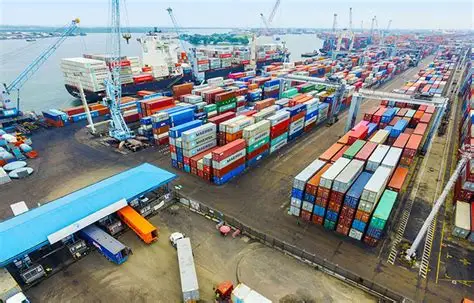
The Nigeria Customs Service (NCS) has clarified the reasons behind sealing the vessel MT NY Maria, stating it was found discharging premium motor spirit (PMS) without the necessary Customs clearance at the MRS Terminal, Dantata Jetty, Tincan Island Port.
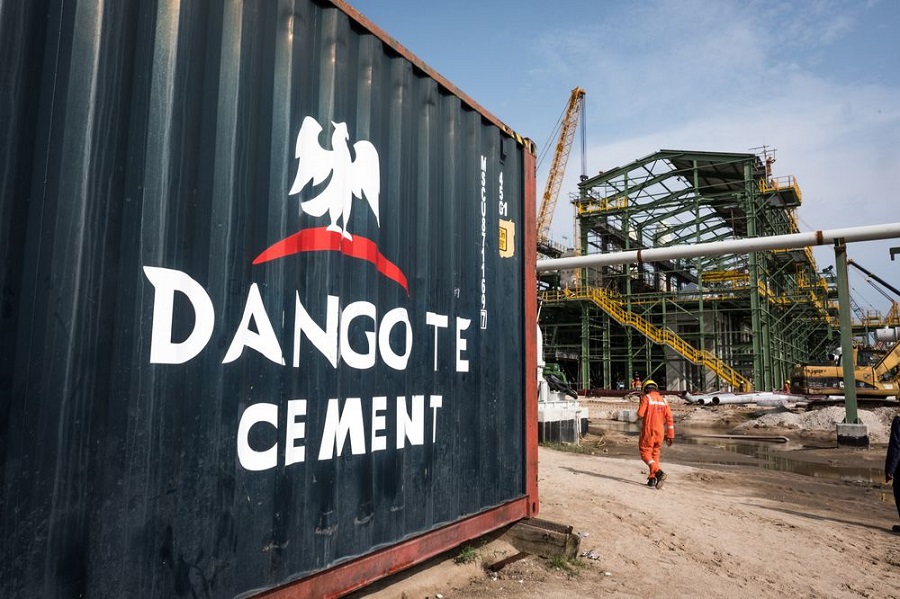
Oscar Ivara, Public Relations Officer of the Tincan Island Command of the NCS, explained that the service is addressing misleading narratives surrounding the enforcement action. The vessel, MT NY Maria, reportedly carried 81,200 metric tonnes of PMS loaded from the Dangote Refinery.
According to the NCS, officers boarded the vessel on Saturday, May 23, 2026, for routine documentation checks. It was discovered that the vessel lacked complete documentation, specifically the mandatory last port clearance from its origin.
The vessel's agent was granted a two-day period to provide the outstanding document, during which the vessel was lawfully sealed and placed under customs control. However, on Wednesday, May 27, 2026, intelligence indicated that the vessel had commenced discharge operations without the required customs clearance and while still under an official customs seal.
Upon arrival at the terminal, NCS officers reportedly encountered resistance from security personnel but gained lawful access. They directed the ship master to cease the unauthorized discharge and report for statements, after which the vessel was resealed.
Ivara emphasized that the actions taken are in line with the NCS Act, 2023, particularly Sections 30 to 35, which govern customs controls, inspections, and enforcement within customs control zones. International seaports are designated as customs control zones, and goods must be unloaded, inspected, assessed, and cleared under customs supervision.
The discharge of PMS by MT NY Maria without clearance and while under seal is considered a violation of Sections 46 to 58 of the Act, which cover reporting obligations, goods declaration, and release of goods under customs control.
The NCS Act, 2023, empowers officers to board, inspect, detain, and enforce compliance on vessels and cargoes within customs-controlled areas, citing Sections 212, 222, 223, 225, and 226 for legal authority.
Offences of this nature can lead to sanctions including seizure, forfeiture, detention, condemnation, and penalties as outlined in Part XXXI of the Act.
Investigations into the incident, including the obstruction encountered by officers, are ongoing. The NCS reiterated that no entity is above the law and all stakeholders must comply with operational requirements before commencing discharge activities.
The service remains committed to facilitating legitimate trade while ensuring strict compliance with national regulations. The NCS urged the public to rely on verified information and avoid amplifying misleading narratives.