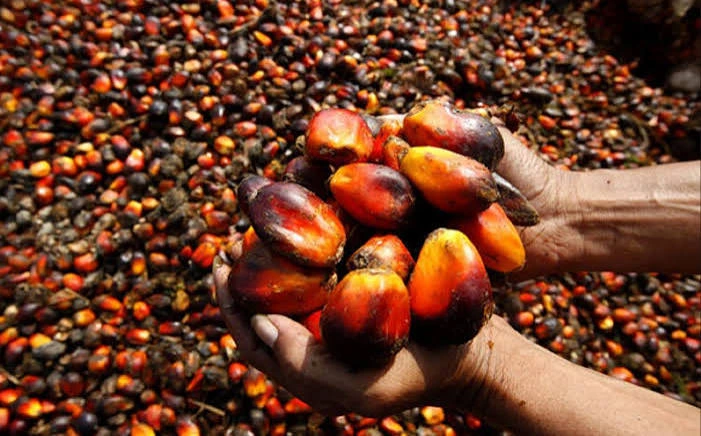
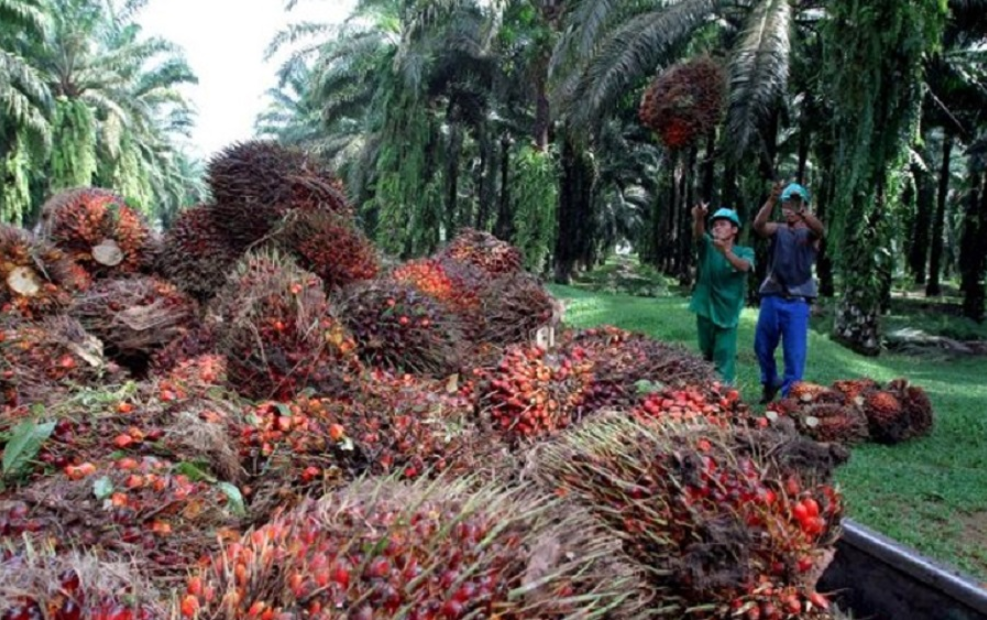
Cheap palm oil imports from Indonesia and Malaysia are undercutting domestic crude palm oil (CPO) prices in Nigeria. This influx has forced the country's leading local producers, Okomu Oil Palm Plc and Presco Plc, to report their weakest revenue performances in years for the first half of 2026.
The H1 2026 financial statements released by both companies point to mounting pressure on domestic pricing. This trend persists despite healthy production volumes, as changes to import duty policies erode the pricing power local producers previously enjoyed.
H1 2026 Financial Performance Breakdown
Presco and Okomu together account for more than 99% of the sector's combined revenue. Both are now facing downward price pressure as cheaper imported palm oil continues to undercut domestic CPO prices.
Presco's revenue was flat year-on-year in H1 2026 at N198 billion. This marks the first time since 2018 that the company has failed to record revenue growth during the first half of the year.
Meanwhile, Okomu Oil's revenue declined 3.5% year-on-year to N125.3 billion. Okomu's pre-tax profit fell 12% to N59 billion, whereas Presco's pre-tax profit rose 9.2%. This stands in stark contrast to the corresponding period of 2025, when both companies recorded triple-digit pre-tax profit growth.
Okomu attributed the weaker performance directly to import-driven competition. The company stated that a decline in domestic palm oil sales driven by persistent import-driven competitive pressures impacted CPO prices during the period.
Structural Differences and Operational Resilience
Presco demonstrated stronger operational resilience than Okomu during the period, posting an 83.4% gross profit margin compared with Okomu's 64.4%.
Presco's vertically integrated business model includes refining and fractionating CPO into finished vegetable oil products. This enables the company to capture additional value beyond primary production, while its Ghana operations provide revenue diversification outside Nigeria.
Despite flat consolidated revenue, Presco's Nigerian revenue rose about 12.4% to N164.63 billion, while its standalone company revenue increased 6.9% to N116.57 billion. Presco also strengthened its balance sheet by repaying N197.3 billion in loans during H1 2026, reducing borrowings from N317.3 billion to N119.5 billion and moving into a net cash position with N129.9 billion in cash. The company subsequently declared an interim dividend of N10 per share.
Okomu remains more exposed to domestic CPO pricing, with approximately 90% of its sales generated within Nigeria. Although the company maintains a strong balance sheet with only N3.9 billion in long-term borrowings against N21.4 billion in cash, its limited downstream integration leaves earnings more vulnerable to falling CPO prices.
The Broader Nigerian Palm Oil Market
Palm oil remains a critical commodity in Nigeria's food production industry. It serves as a key input for cooking oil, margarine, soaps, cosmetics, and several consumer goods, while palm kernel products support the animal feed sector.
Despite having one of the world's highest per capita palm oil consumption rates, Nigeria still produces only about 40% of its domestic demand. This leaves the market highly dependent on imports to bridge the supply gap.
On the Nigerian Exchange, Presco's shares currently trade at about N2,070 with a price-to-earnings ratio of 19.6 times and a market capitalisation of N2.4 trillion. Okomu Oil trades at approximately N1,418 with a price-to-earnings ratio of 26.9 times and a market capitalisation of N1.35 trillion.