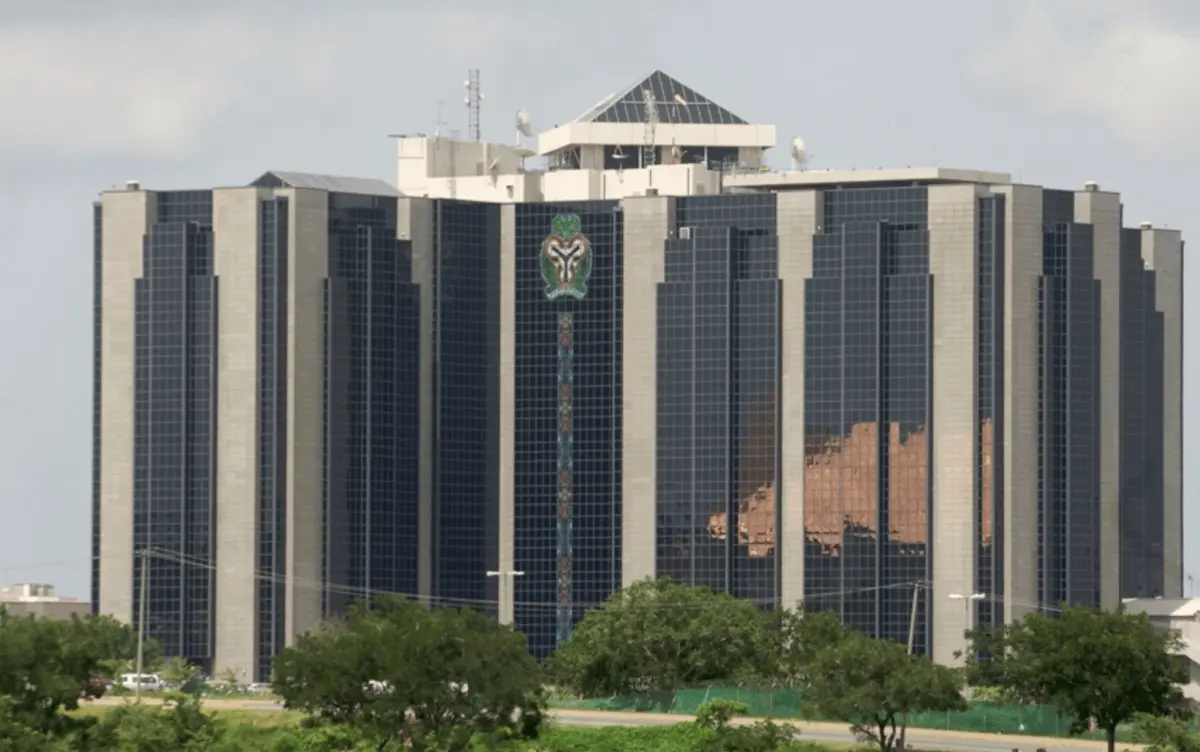
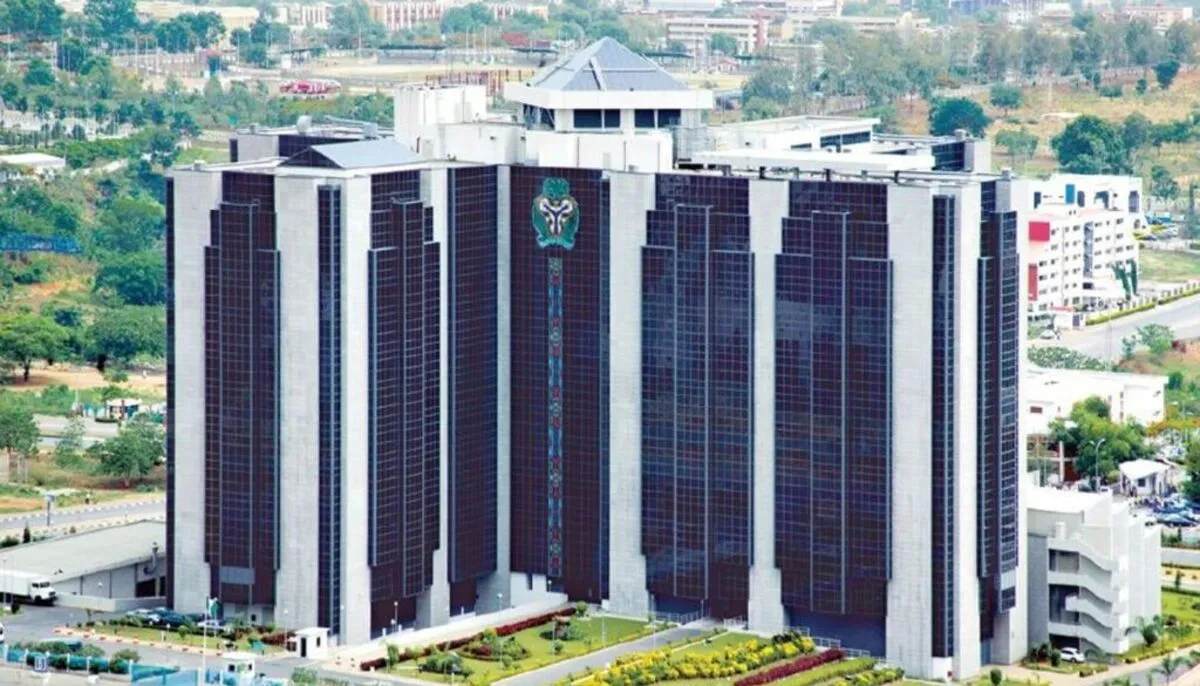
A new Business Expectations Survey for July 2026 by the Central Bank of Nigeria reveals that multiple taxation remains the primary obstacle for businesses. Despite recent tax reforms introduced by the federal government, 70.8% of respondents identified high and multiple taxation as their most pressing constraint.
This concern outpaced other major challenges, including insecurity at 69.7% and high interest rates at 66.3%.
Taxation and Operational Hurdles Outweigh Other Concerns
The CBN survey highlighted several other structural issues affecting businesses. Unfavourable political climate scored 62.2%, followed closely by high bank charges at 62.0% and competition at 61.1%. Unclear economic laws registered at 58.4%, while financial constraints and poor infrastructure stood at 56.6% and 55.1% respectively.
These persistent complaints persist despite President Bola Tinubu signing four landmark tax reform bills into law in June 2025. The reforms, which took effect in January 2026, include the Nigeria Tax Bill, the Nigeria Tax Administration Bill, the Nigeria Revenue Service (Establishment) Bill, and the Joint Revenue Board (Establishment) Bill.
Additionally, the government introduced a presumptive tax framework for MSMEs in March 2026 and banned road taxes and illegal checkpoints to ease the compliance burden.
Rising Government Revenues and Exchange Rate Optimism
While businesses struggle with compliance, government tax revenues continue to rise. Data from the National Bureau of Statistics shows Nigeria generated N2.42 trillion in Value Added Tax in the first quarter of 2026, a 17.06% increase from N2.07 trillion in Q1 2025. This also represents a 9.98% quarter-on-quarter growth from N2.20 trillion in Q4 2025.
Local VAT payments contributed N1.11 trillion of the total, while foreign VAT generated N830.47 billion and import VAT accounted for N477.55 billion.
On a positive note, businesses expressed growing optimism regarding the local currency. The exchange rate expectation index for the naira rose from 4.7 for the current month to 16.1 for the next month, 25.8 over three months, and 30.7 over six months.
However, borrowing rate indices remained high at 18 to 19 points, indicating that businesses expect lending costs to remain elevated in the near term. The Centre for the Promotion of Private Enterprise previously warned that these reforms must be carefully implemented to protect the informal sector.