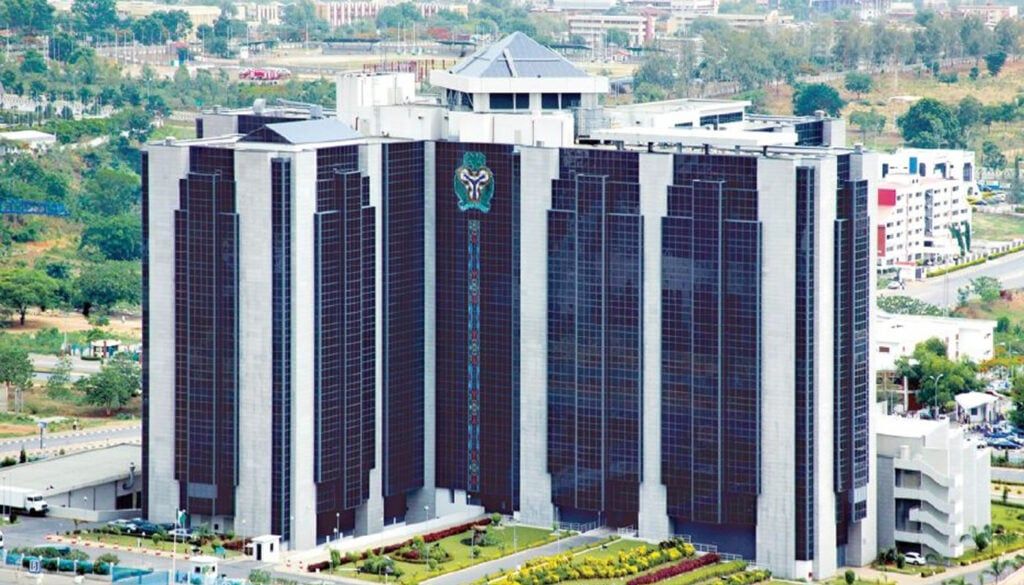
CBN Repays ₦10.69trn in October as Maturities Outpace New Auctions

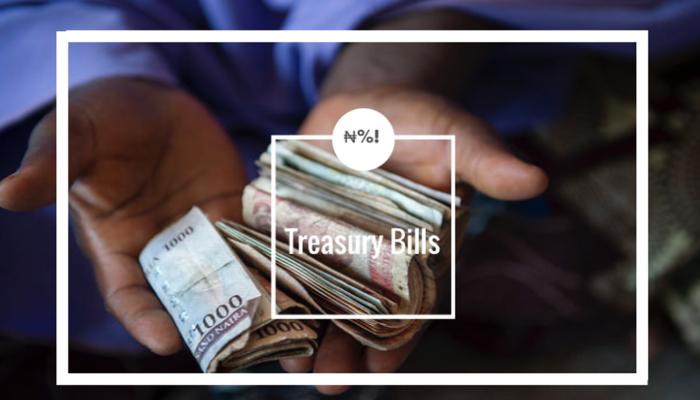
The Central Bank of Nigeria repaid ₦10.69 trillion on maturing OMO bills and Treasury bills in October, ₦3.20 trillion more than it raised at fresh auctions, reversing September's liquidity withdrawal.

NGN Market

Written by NGN Market

·3 min read
CBN Repays ₦10.69trn in October as Maturities Outpace New Auctions

How the Month Turned From Withdrawal to Injection

October did not start this way. Early in the month the central bank was still allotting more at auction than it repaid, in the usual pattern of the past year. The position flipped as the month wore on: repayments on maturing paper kept arriving on schedule, while allotments at the later auctions were cut back sharply, so that by the final week the gap between money returned and money raised had become the story of the month.

Across the month, investors submitted ₦13.23 trillion in bids and received allotments of roughly 57% of that demand. In plain terms, the authorities chose to let maturing paper run off rather than roll it over at the offered prices. Fresh issuance replaced only about 70% of what matured, and the Treasury bill side drove most of the shortfall: repayments there exceeded sales by ₦2.68 trillion.

What the Surplus Does to Money Market Pricing

Liquidity returning to banks has a direct read across for short term rates. Cash that cannot find a home in new bills tends to chase the existing stock, which supports secondary market prices and presses yields lower, and it swells deposits at the Standing Deposit Facility, exactly what the October balances showed. The ₦8.41 trillion peak in facility deposits on 28 October is the clearest sign that banks were holding more cash than they could place.

Advertisement

For equity investors, the channel runs through the opportunity cost of cash. When Treasury bill and OMO yields fall, the relative appeal of dividend paying and growth stocks improves at the margin, and banks themselves benefit from cheaper funding conditions even as reinvestment rates on their bill portfolios decline. The effect is gradual rather than immediate, but a second consecutive month of net repayment would make it harder to ignore.

A Deliberate Pace, Not a Missed Auction

The pattern looks like policy rather than accident. Allotments were cut progressively through the month, the 28 October sale filled barely 4% of subscriptions, and the shortfall was concentrated in Treasury bills, where the government itself is the borrower. Accepting fewer bids at lower yields reduces debt service costs while releasing liquidity into a banking system that had spent September seeing cash withdrawn.

The balance to watch is whether this pace holds in November. A return to full rollover would drain the surplus quickly, while continued restraint would keep system liquidity long, money market yields soft, and the relative case for equities intact into the final weeks of the year.

Advertisement

Advertisement