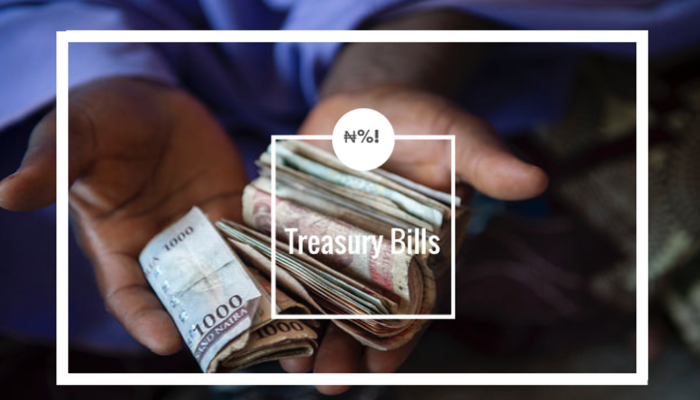
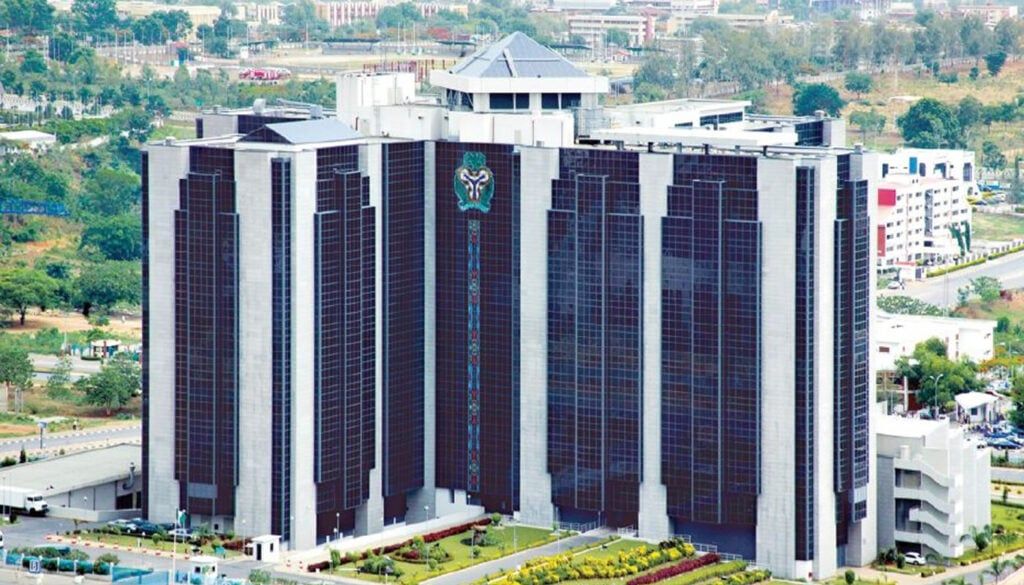
The Central Bank of Nigeria (CBN) is set to raise N1.05 trillion at a Treasury Bills (NTBs) auction today, March 18. This development brings the total short-term borrowing by the federal government to nearly N3 trillion within a two-week period.
The auction, conducted on behalf of the Debt Management Office (DMO), will utilize the Dutch auction system. This system allows yields to be determined by investor demand and prevailing liquidity conditions.
According to the tender notice, N1.05 trillion worth of Treasury Bills will be offered across three maturities. Specifically, N100 billion will be issued in 91-day bills, N150 billion in 182-day bills, and N800 billion will be allocated to 364-day instruments. This breakdown reflects a stronger demand for longer-tenor securities.
Primary market dealers are required to submit bids electronically via the CBN’s Scripless Securities Settlement System (S4) between 8:00 a.m. and 11:00 a.m. Bids must be in multiples of N1,000 with a minimum subscription of N50.001 million. Authorized Money Market Dealers can submit multiple bids for themselves and their clients.
Results are expected to be announced the same day, with successful bidders receiving allotment letters on March 19. Payments are due before 11:00 a.m. on settlement day.
This latest issuance underscores the government’s continued reliance on domestic debt markets amid fiscal pressures. The N1.05 trillion auction follows previous NTB auctions earlier this month.
On March 4, the CBN raised N1.01 trillion at higher rates. Short-term yields increased to 15.95% from 15.8%, and longer maturities rose to 16.73% from 15.9%, while the mid-tenor remained unchanged at 16.65%.
Subsequently, on March 11, another N933.92 billion was raised. Rates remained largely stable, with a marginal drop in the longer tenor, indicating sustained investor appetite despite elevated yields.
If the full N1.05 trillion on offer today is allotted, the total borrowing through NTBs between March 4 and March 18 will reach exactly N2.99 trillion. This highlights the scale and pace of recent issuances.
Experts suggest that this pattern points to persistent fiscal distress and the need to refinance maturing obligations, rather than liquidity absorption by the monetary authorities. They also note strong institutional demand for government securities offering relatively high yields.
Olulbunmi Ayokunle, Head of Financial Institutions Ratings at Augusto & Co., commented that the headline figure might not fully reflect new debt accumulation if the funds are primarily used to roll over maturing obligations. He also noted that delays in the release of capital allocations suggest the fiscal situation may not be as strong as initially presented.
Blakey Okwudili Ijezie, convener of Blakey’s National Economic Conference, described the issuance as a “signal of pressure, a signal of urgency, a signal of a system stretched.” He further warned that rising interest rates due to such volumes could lead to reduced business borrowing, slower expansion, and threatened jobs.
Analysts broadly agree that while Treasury Bills remain a key fiscal tool, the scale and frequency of issuance indicate ongoing structural pressures within the Nigerian economy.