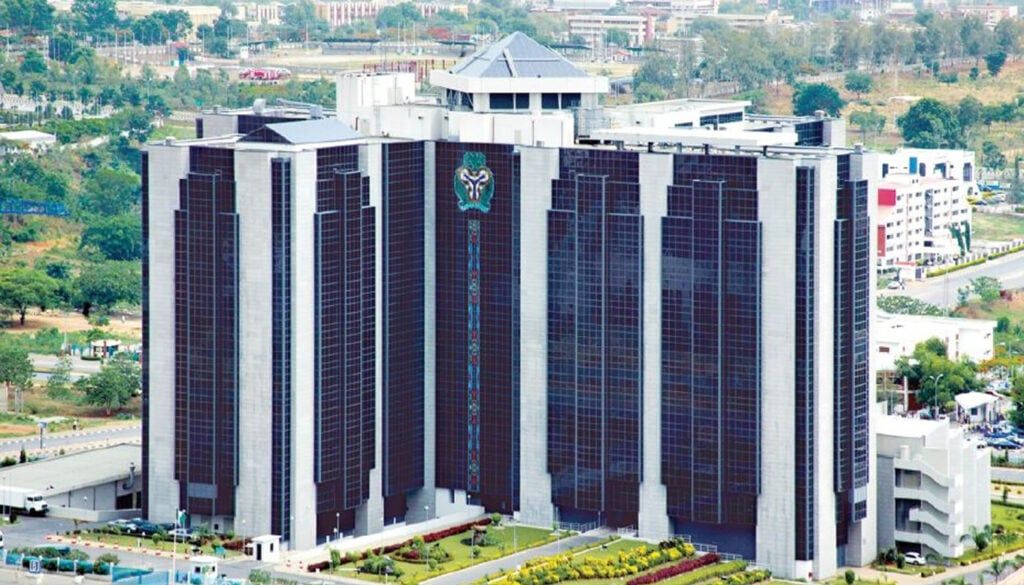
The Central Bank of Nigeria (CBN) has rolled out new directives aimed at enhancing oversight, transparency, and competition within the nation's rapidly expanding digital payments sector. These measures include mandatory data localization for payment transactions and the imposition of market share limits for operators.
Effective January 1, 2027, all financial institutions and payment system participants facilitating transactions in Nigeria must ensure that payment transaction data generated within the country is stored and managed locally, in compliance with Nigerian data protection laws and regulations. This directive applies to deposit money banks, microfinance banks, mobile money operators, switching and processing companies, payment terminal service providers, payment solution service providers, super agents, and other licensed operators.
The CBN stated that these reforms are necessary due to significant structural developments in the Nigerian Payments ecosystem, characterized by rapid growth in electronic payments and increasing adoption of digital financial services. While these advancements have boosted innovation, efficiency, and financial inclusion, they have also raised concerns around market concentration, operational dependence, ownership transparency, and the storage of critical payments data.
Market Concentration and Competition Rules
To address concerns over market concentration and promote a fair, competitive, and resilient payments ecosystem, the CBN has introduced new market structure rules. Under these regulations, any financial institution that controls more than 25 percent of Nigeria’s card issuing market within a rolling 12-month period will be restricted to holding no more than 15 percent of the merchant acquiring market during the same period. Conversely, institutions accounting for more than 25 percent of merchant acquiring activities will be limited to a maximum of 15 percent market share in card issuing.
Affected institutions have until December 31, 2026, to achieve full compliance with these market structure requirements. All regulated entities will be required to submit monthly market share returns based on templates and timelines prescribed by the CBN.
Enhanced Transparency and Beneficial Ownership Disclosure
Beyond market share restrictions, the CBN has also mandated tougher transparency requirements. All Deposit Money Banks, Payment Service Providers, and other financial institutions with digital payments operations are now required to disclose the Ultimate Beneficial Ownership (UBO) of significant shareholders. Institutions must maintain accurate and up-to-date beneficial ownership records and make them available to the regulator upon request, aligning with existing anti-money laundering and counter-terrorism financing regulations.
The CBN emphasized that these measures are intended to safeguard the integrity of the Nigerian payments system, ensure stronger oversight of critical institutions, and combat money laundering and illicit financial flows.
The Central Bank of Nigeria will monitor compliance with these circulars and may impose supervisory sanctions where necessary, in accordance with applicable laws, regulations, and guidelines.