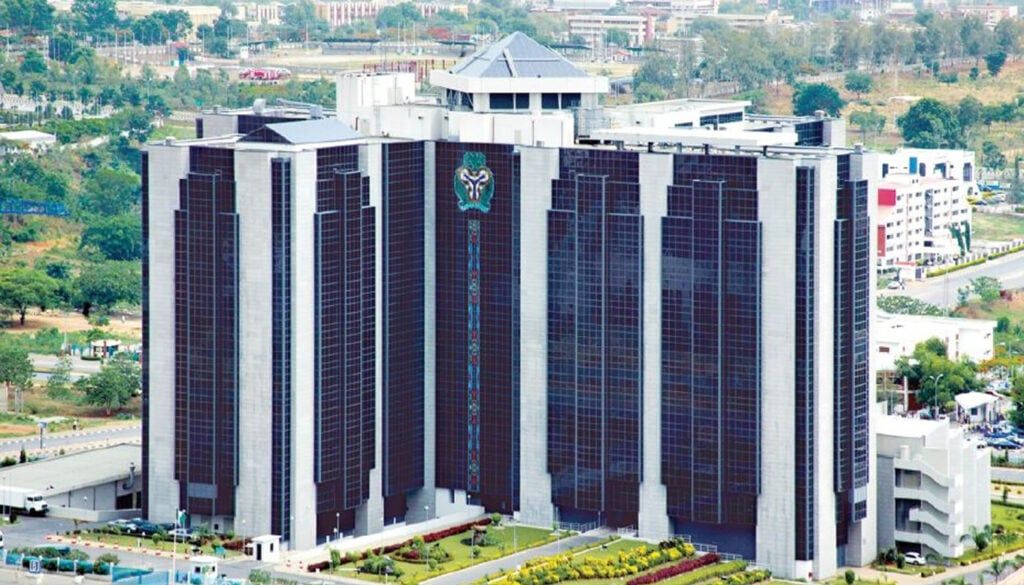
The Central Bank of Nigeria (CBN) has maintained restrictions on Bureau De Change (BDC) operators’ access to the official foreign exchange market, citing concerns over control and past abuses, according to insights from forex traders and market operators.
This development highlights the apex bank’s continued preference for bank-led FX distribution amid ongoing concerns about compliance and market stability. Fears surrounding practices like arbitrage and round-tripping among currency traders have also contributed to the regulator’s reluctance.
BDCs have previously complained about their struggle to access foreign exchange from the official window, finding it difficult to meet their expenses. They have advocated for increased participation to help sustain policy implementation, provide liquidity, and ensure market stability.
Forex traders indicate that the CBN’s cautious approach stems from worries about regulatory control and risks within the BDC segment. An official from the Association of Bureau De Change Operators of Nigeria (ABCON) stated that the characterization of the sector as high-risk due to anti-money laundering and terrorism financing compliance issues leads the CBN to prefer fewer channels for tighter control.
Another licensed forex trader, Umar Barkinzuwo, echoed these sentiments, noting that authorities have favored channeling foreign exchange through the banking system for more centralized oversight. He added that fears around arbitrage and round-tripping have influenced the regulator's hesitation to fully integrate BDCs into the official FX system.
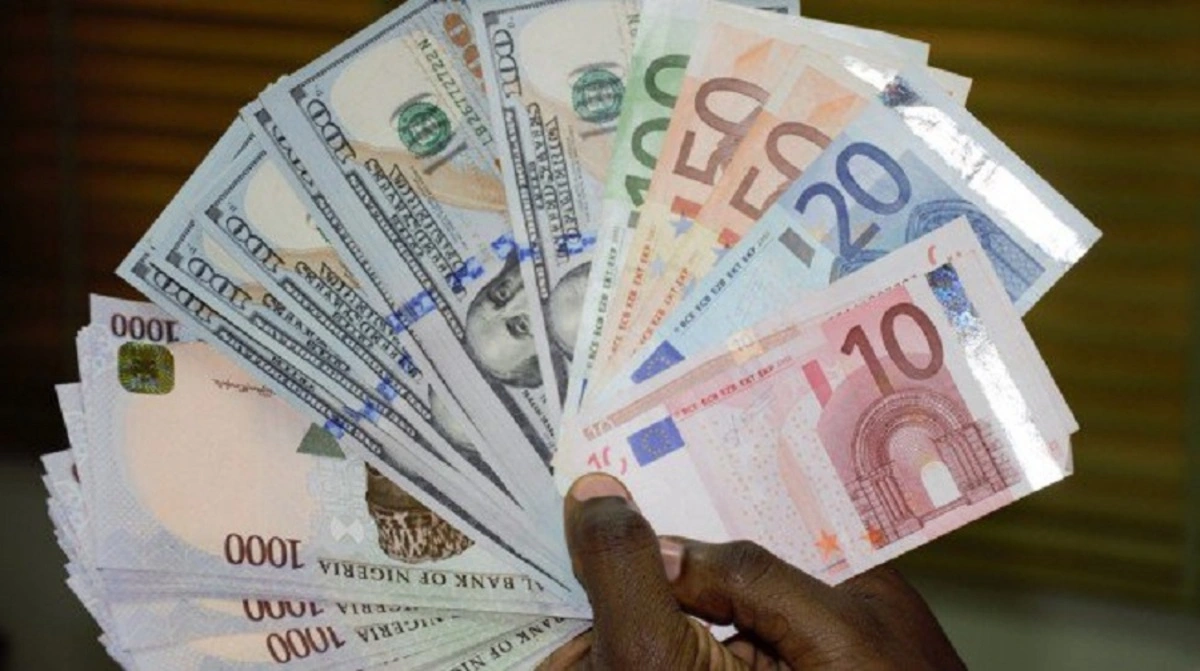
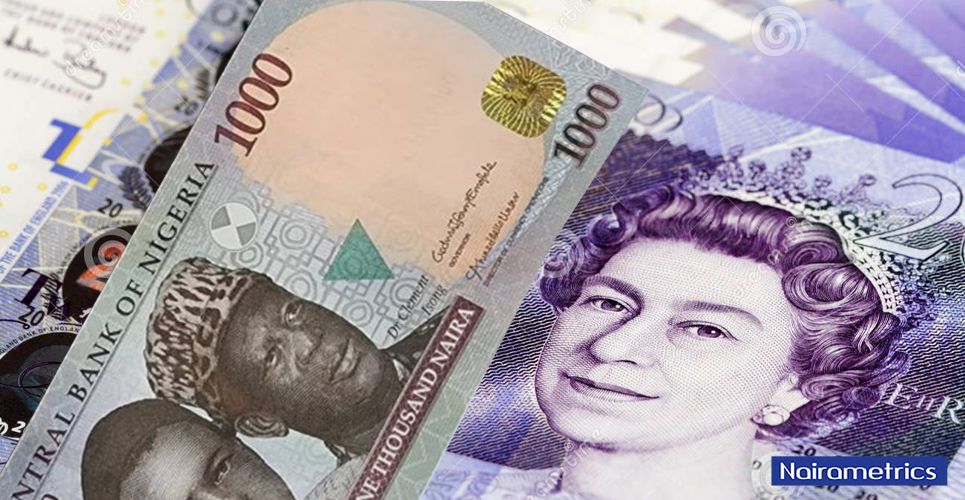
Meanwhile, the Naira weakened further to N1,369/$ on Monday, April 28, 2026, slipping from N1,361.5/$ recorded at the close of trading on Friday. This marks the naira’s weakest level since April 8, 2026, extending a depreciation trend.
The weakening comes amid concerns over declining external reserves and sustained demand pressures in the FX market. Data from the CBN shows Nigeria’s external reserves fell from $49.18 billion on April 1 to $48.44 billion as of April 24, 2026.
The latest movement reflects a decline from N1,349.67/$ recorded at the start of the previous week. Analysts are closely watching whether the CBN can sustain exchange rate stability amidst tightening liquidity.
The data points to a disconnect between global dollar weakness and domestic currency performance, as local supply-side constraints continue to outweigh external relief factors. The naira’s decline is attributed to shrinking external buffers, sustained demand for foreign currency, and broader liquidity pressures in the official market.