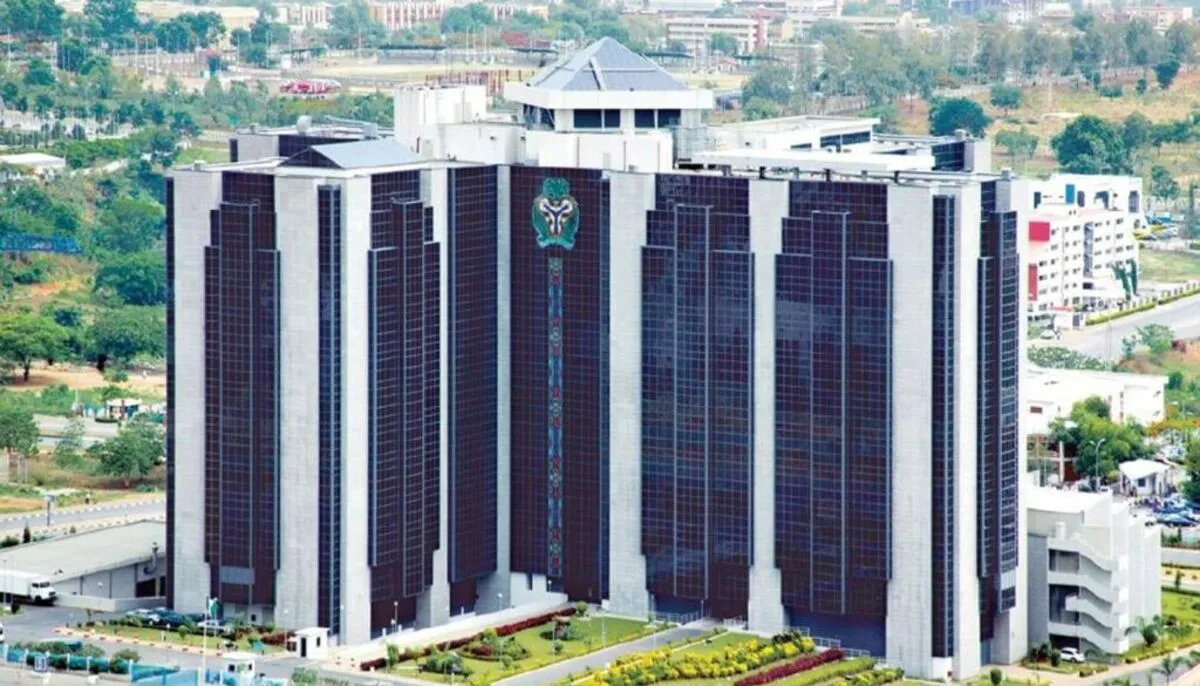
The Central Bank of Nigeria (CBN) has maintained its tight monetary policy stance, retaining the Monetary Policy Rate (MPR) at 26.5% following the conclusion of its 306th Monetary Policy Committee (MPC) meeting held in Abuja on July 20 and 21, 2026. This decision, aimed at sustaining inflation moderation and preserving macroeconomic stability, has reignited pressure from economists, financial analysts, and business leaders for an easing of borrowing costs.
Analysts indicate that the sustained MPR keeps borrowing costs for businesses at over 30%, a level many argue is constraining private sector growth, limiting access to credit, and slowing job creation. The decision has elicited mixed reactions, with some experts advocating for easing if inflation continues its downward trend, while others support maintaining the tight policy for price and exchange rate stability.
Economists Advocate for Easing Amid Moderating Inflation
Thomas Amusan, CEO of Kwik Consulting, emphasized the encouraging direction of inflation, stating, “While caution remains necessary, the monetary authorities should begin discussing when and how to gradually reduce interest rates if inflation continues to decelerate.” He added that prolonged elevated interest rates lead businesses to postpone expansion, increase financing costs for manufacturers, and slow private sector investment.
Sharon Nwosu, CEO of a manufacturing outfit in Abuja, highlighted the significant cost of tight monetary policy on investment, manufacturing, agriculture, and small businesses. She noted that most SMEs cannot access loans at interest rates above 30%, with businesses spending more on debt servicing than on production, innovation, and employment. Nwosu stressed the need for affordable financing for productive industries to prevent SMEs from struggling despite macroeconomic improvements.
CBN Prioritizes Price and Exchange Rate Stability
Conversely, economic analyst Hassan Oyeleke supported the CBN's stance, stating, “I think the priority now should remain price stability. Once inflation shows a convincing downward pattern, then monetary easing becomes feasible.” Investment banker Tunde Adeyemi suggested that the MPC’s decision could bolster investor confidence and capital market activities through greater policy predictability, while also arguing for continued monetary tightening.
The CBN retained all key monetary policy parameters, including the Cash Reserve Ratio (CRR) at 45% for commercial banks and 16% for merchant banks. The Standing Facilities Corridor remained at +50/-450 basis points around the MPR, and the CRR on non-Treasury Single Account public sector deposits was retained at 75%. Headline inflation marginally declined to 15.91% in June from 15.93% in May, and Nigeria’s external reserves rose above $52 billion, reaching their highest level since 2009.
Private Sector Credit Expands Despite High Rates
Despite the elevated interest rate environment, latest CBN data revealed an increase in credit to Nigeria’s private sector, rising to N81.04 trillion in May 2026 from N80.59 trillion in April. Credit to the government also saw an increase during the period, moving to N40.37 trillion from N39.6 trillion. While lending continues to expand, businesses consistently voice concerns that the high cost of borrowing remains a significant impediment to investment and expansion.