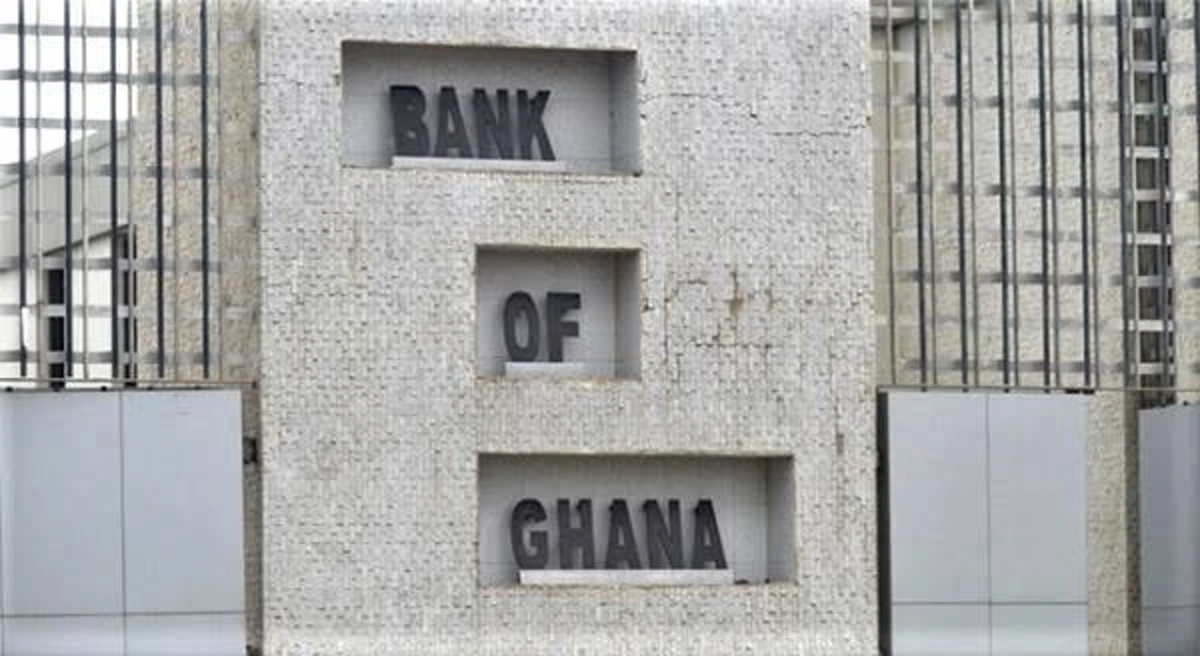
The Bank of Ghana has maintained its benchmark interest rate at 14%, keeping monetary policy unchanged amidst mounting inflation risks. This decision follows renewed geopolitical tensions in the Middle East.
Governor Johnson Asiama announced the decision after the Monetary Policy Committee (MPC) meeting in Accra on Wednesday. Members unanimously agreed to retain the policy rate, despite expectations of higher inflation in the coming months.
Ghana's Monetary Policy Stance
Governor Asiama stated that the current policy stance is appropriate given emerging inflation risks and global uncertainties. He noted that the stance remains suitable to guide inflation into the medium-term target band.
This approach also allows time to assess evolving geopolitical developments and their potential impact on the domestic economy. Ghana's inflation is expected to rise gradually into the central bank’s 6% to 10% target range.
Inflationary Pressures and Global Risks
Possible increases in utility tariffs, escalating tensions in the Middle East, and higher oil prices pose significant upside risks to inflation. Annual inflation accelerated to 5.3% in June, up from 3.7% in May, marking the fastest pace of price growth this year.
The renewed conflict involving Iran has disrupted global energy markets, pushing up crude oil and fertiliser prices. This follows fresh blockades around the Strait of Hormuz, a strategic shipping route, increasing imported inflation risks for economies like Ghana.
Ghana’s international reserves declined to $12.9 billion at the end of June, from $13.8 billion six months earlier. This decline was largely due to elevated energy-related payments linked to the conflict, though reserves remain sufficient to cover about five months of imports.
Despite external headwinds, the central bank expects Ghana’s economy to expand by around 6% this year. However, it warned that prolonged instability in the Middle East could weigh on this outlook.
Regional Monetary Policy Trends
This decision marks the second consecutive meeting at which the Bank of Ghana has left its benchmark interest rate unchanged after an aggressive easing cycle. The central bank had previously embarked on a series of rate cuts as inflation eased and macroeconomic conditions improved.
In November 2025, the policy rate was reduced by 350 basis points to 18%, marking its third consecutive cut. The easing cycle continued in March 2026, when policymakers lowered the benchmark rate again to 14%.
Ghana’s decision reflects a broader trend among central banks opting to keep borrowing costs elevated while evaluating the economic fallout from renewed Middle East tensions. Nigeria has taken a similar stance, with the Central Bank of Nigeria (CBN) retaining its Monetary Policy Rate at 26.5% earlier this week.
The CBN noted that Nigeria’s headline inflation eased marginally to 15.91% in June 2026 from 15.93% in May. However, food inflation accelerated on a monthly basis to 3.75% in June, up from 2.98% in May, indicating renewed pressure on food prices.