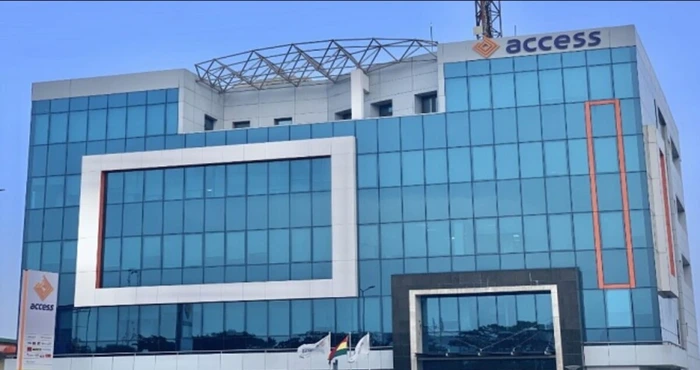
Access Holdings Plc has finalized the sale of a 7.44% stake in its Ghanaian subsidiary, Access Bank (Ghana) Plc. This strategic divestment, completed on July 15, 2026, is largely attributed to a Central Bank of Nigeria (CBN) regulation that caps local banks' holdings in foreign units.
The transaction was disclosed in a filing with the Ghana Stock Exchange (GSE), which Nairametrics obtained recently. The corporate disclosure, signed by Helen De Cardi Nelson, Company Secretary of Access Bank (Ghana) Plc, highlighted strong investor interest and confidence in the bank's long-term prospects.
The sale attracted a diverse pool of investors, including pension funds, institutional investors, and high-net-worth individuals. Access Bank Plc sold 12,085,318 ordinary shares, representing 7.44% of the Ghanaian unit's issued shares, through the Ghana Stock Exchange with regulatory clearance from the Bank of Ghana.
IC Securities (Ghana) Ltd served as the adviser and executing broker for the transaction. Ms. Pearl Nkrumah, Managing Director of Access Bank (Ghana), stated that the deal enhances local ownership and liquidity in the bank's shares, allowing management to focus on converting its scale into value for stakeholders.
Before this sale, Access Bank Plc held 93.40% of Access Bank Ghana, with the remaining 6.60% already held by other shareholders from the unit’s GSE listing. Following the divestment, Access Bank Plc's estimated holding is 85.96%, with public and other investors holding approximately 14.04%.
Access Holdings therefore maintains firm majority control of its Ghanaian unit, indicating a partial dilution rather than a full exit.
Regulatory Compliance Drives Divestment
Mr. Abiodun Ogunniyi, Head of Research at GTI Limited, described the divestment as an inevitable outcome of the CBN’s revised HoldCo framework. This framework restricts banks’ overseas investments to 10% of total shareholders’ funds.
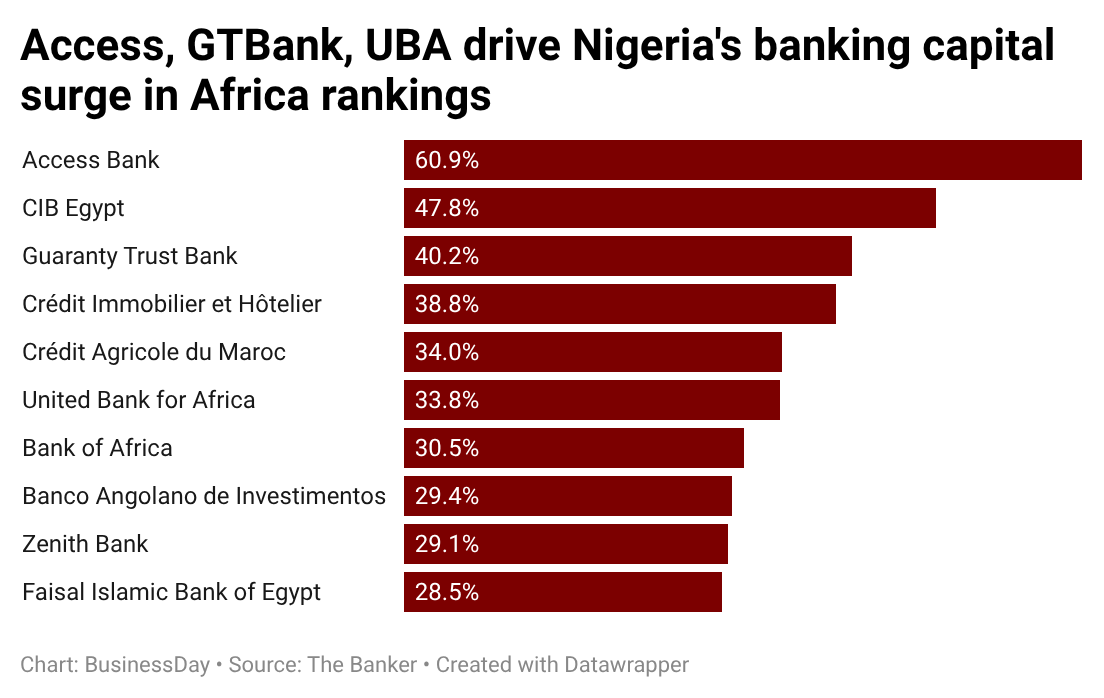
Ogunniyi noted that similar moves might be anticipated from other Nigerian banks with significant overseas investments, such as UBA and GTCO. He added that the divestment strengthens Access Holdings’ capital position, with the group’s earnings now leaning more on Nigeria, the UK, and Europe, while Gambia and Tanzania also show growth.
He further disclosed that Access’s UK operation has now surpassed Nigeria in profitability. Chief Blakey Ijezie, founder of chartered accountancy firm Okwudili Ijezie & Co, characterized the transaction as "a strategic capital optimisation exercise rather than a withdrawal from Ghana."
Ijezie believes the immediate impact on ACCESSCORP should be limited, as the group retains a strategic presence in Ghana while freeing up proceeds for technology investments, capital strengthening, and expansion across the continent. Regarding dividends, he argued that the sale does not weaken the long-term investment case, as payouts will continue to depend on earnings growth, capital strength, and management’s resource allocation efficiency.
Addressing Regulatory Breaches
The timing of this sale aligns with regulatory pressures Access Holdings had previously disclosed to the market. At its full-year 2025 results, the group flagged a breach under BOFIA Section 19(8)(c), which caps investment in foreign banking subsidiaries at 10% of shareholders’ funds.
This was separate from an earlier constraint tied to Section 7.1 of the CBN’s Guidelines for Financial Holding Companies, which had briefly impacted its half-year 2025 dividend. Management was granted a 12-month period to fully address the foreign-exposure breach.
In response, Access Holdings has been implementing capital optimisation initiatives, balance sheet actions, and a governance review. The group’s Capital Adequacy Ratio stood at 18.3% at FY2025, with the banking subsidiary’s CAR at 21%, and it had already completed a N40 billion private placement as part of its recapitalisation efforts.
The Ghana stake sale, by trimming the group’s foreign banking exposure, fits directly into these remediation efforts. For shareholders, the crucial consideration is not merely the size of the stake sold, but how effectively the group redeploys the freed-up capital and how swiftly it can clear the BOFIA threshold to enable future dividend decisions.