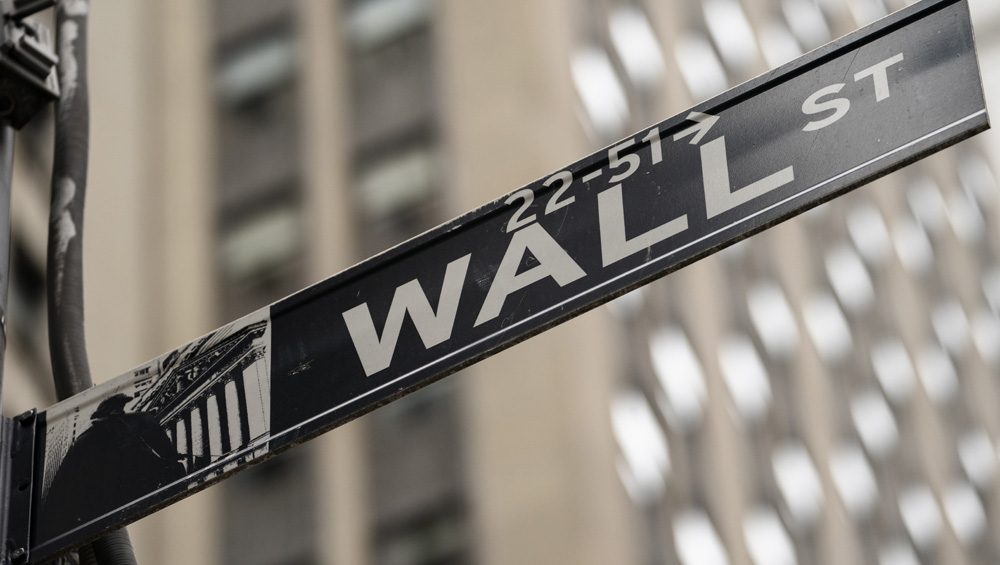
A Dow-Led Decline on a Split Tape
The three main indices told three different stories on Wednesday. The Dow absorbed the day's damage, much of it from a single stock: UnitedHealth fell about 10.2% and, given its weight in the price-weighted index, accounted for a large share of the 561-point drop. Humana fell about 13%, CVS Health slid about 5%, and health care was the second weakest S&P 500 sector, down 2.18%.
The selling traces back to a Centers for Medicare and Medicaid Services proposal, published on November 16, that would extrapolate Medicare Advantage audit findings across entire contracts and apply recoveries back to payment year 2018. The agency estimates recoveries of about $9 billion per payment year and close to $90 billion of savings over a decade. Comments on the proposal close on January 19, 2027, and no insurer has yet quantified its own exposure, which is precisely why the market is pricing the risk bluntly rather than name by name.
Energy was the weakest sector, down 3.52%, as crude fell on a build in US inventories. Retailers moved the other way after earnings: TJX and Target both rose strongly on their results and outlooks, and consumer discretionary led the index with a gain of 2.24%.
Nvidia's Beat Was Not Enough
Nvidia set the tone for the technology side of the tape. The shares rose as much as 2.7% in early trading after revenue more than doubled to $115.8 billion and the company guided the current quarter to $130 billion, then surrendered the gain and closed down 2.9% at $150.96. The reversal came in the company's first session after its first earnings report since Jensen Huang resigned, and it left the broader chip index roughly flat even as Advanced Micro Devices and Broadcom rose.
The pattern matters more than the single stock. A beat and a raised outlook no longer guarantee a rising share price at current valuations, so the burden of proof has shifted from delivery to duration: how long the AI spending cycle runs, rather than whether this quarter cleared the bar.
Minutes Keep December in Play
The afternoon brought no relief. Minutes of the Federal Reserve's October 27 to 28 meeting, released at 2:00 p.m. Eastern, showed almost all officials judging that a further rate increase in December would likely be appropriate, with a few arguing for a 50 basis point move if inflation data proved unfavourable. The October meeting itself had held the target range at 3.75% to 4% by 10 votes to 2. The S&P 500, which had held modest gains before the release, reversed into a negative close afterwards, and futures pricing still pointed to a near certain quarter point December hike.
That leaves the December decision, and the inflation prints that land before it, as the hinge for a market that has now fallen five sessions in a row. Thursday adds two more tests at once: Anthropic's first day of trading after pricing its offering at $83 a share, above its marketed range, and Walmart's results, which will show whether Target's stronger holiday outlook was a company story or a consumer one.