A fintech analyst on Lagos Island, struggling with unreliable internet connections from Spectranet and an MTN hotspot, relies on Starlink, paying N57,000 monthly (roughly $38) after a N590,000 hardware investment. Businesses pay N159,000 per month for the service. This scenario, shared by nearly 92,000 other Nigerians, highlights a national infrastructure gap, contrasting sharply with the wealth accumulated by Starlink's founder, Elon Musk.
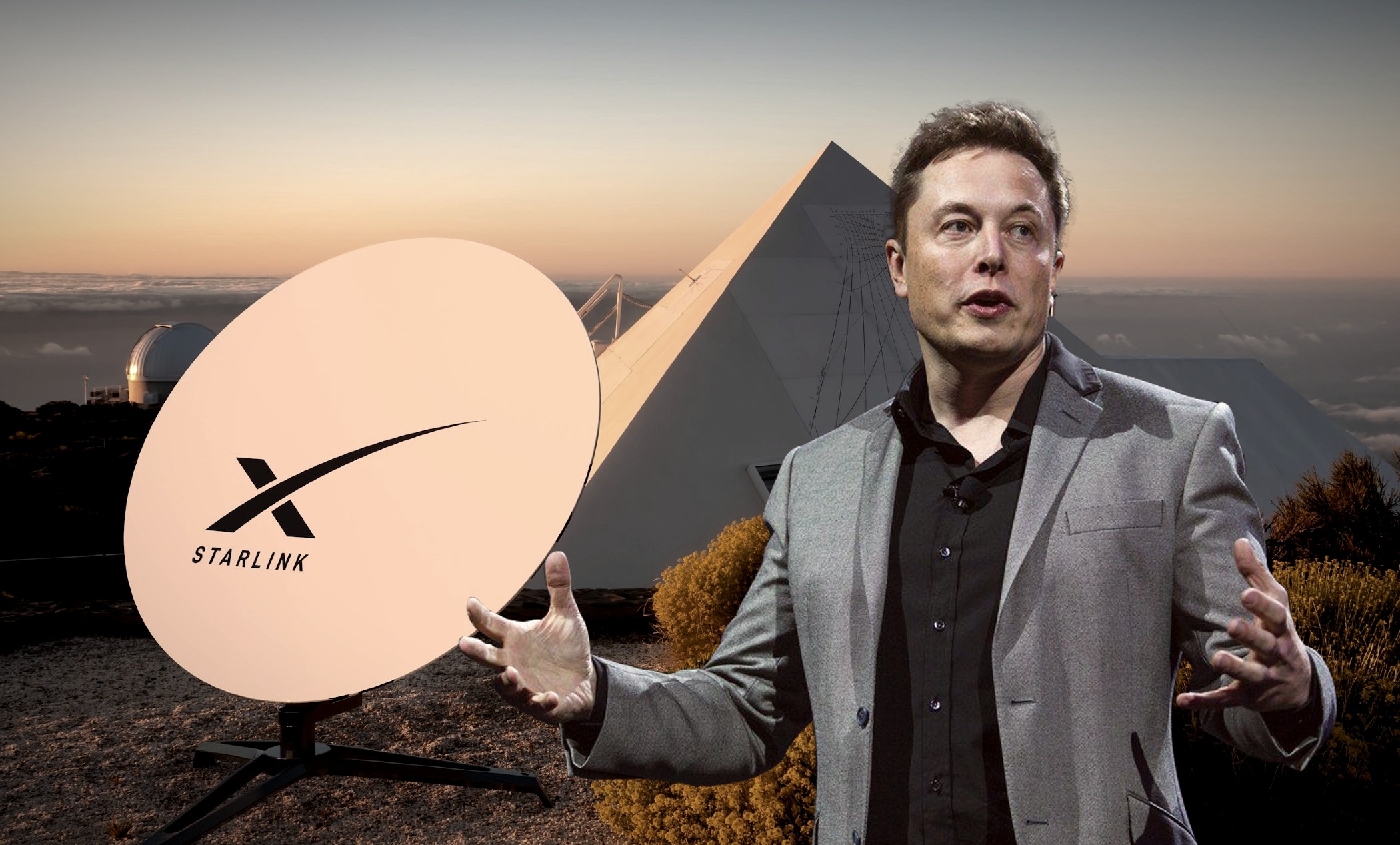
On June 12, 2026, Bloomberg's Billionaires Index announced Elon Musk crossed $1 trillion in personal net worth, becoming the world's first trillionaire. Reuters reported his aggregate net worth reached approximately $1.1 trillion, exceeding the combined fortunes of the next four richest people globally. This milestone is attributed to a systematic strategy of substituting private productive capital for services governments had monopolized or abandoned, with Starlink deploying satellite broadband where fibre and mobile networks failed.
Nigeria's Digital Infrastructure Deficit
Starlink's fastest-growing African market is Nigeria, a country whose government-owned satellite operator, NigComSat, earned only $1.6 million in 2025. Nigeria's nominal GDP in 2025 is estimated at approximately US$334 billion by IMF projections, making Musk's $1.1 trillion net worth roughly 3.3 times that figure.
The National Broadband Plan 2020-2025 aimed for 70% broadband penetration by end-2025, supported by a $500 million World Bank-backed digital infrastructure programme. However, actual penetration at year-end 2025 was 50.58%, a 19.4% gap confirmed by NCC data. This deficit is partly due to obstacles like an average of 157 fibre optic cables vandalized daily across the country.
Furthermore, as of April 2026, only 15 of Nigeria’s 36 states have removed Right-of-Way fees, which make fibre deployment economically unviable for private operators. The remaining 21 states continue to impose these fees, hindering national infrastructure development.
The Economic Cost of Dependency
The cost of this infrastructure dependency is quantifiable. Nigeria’s telecoms sector generated ₦7.67 trillion (approximately $5.1 billion) in revenue in 2024, according to the NCC. MTN Nigeria and Airtel Africa together accounted for more than 85%, roughly $4.4 billion, flowing annually to companies answerable to foreign shareholders.
Starlink's 92,000 Nigerian subscribers contribute approximately ₦62.9 billion ($41.9 million) in annual subscription revenue, largely repatriated to the United States. In stark contrast, NigComSat Limited generated about $1.6 million in total revenue in 2025, while simultaneously carrying $11.4 million in unpaid fees to the China Great Wall Industry Corporation for technical support of its communications satellite. Starlink earns more from Nigerian subscribers in just over two weeks than NigComSat earns in an entire year.
Proposed Reforms for Digital Sovereignty
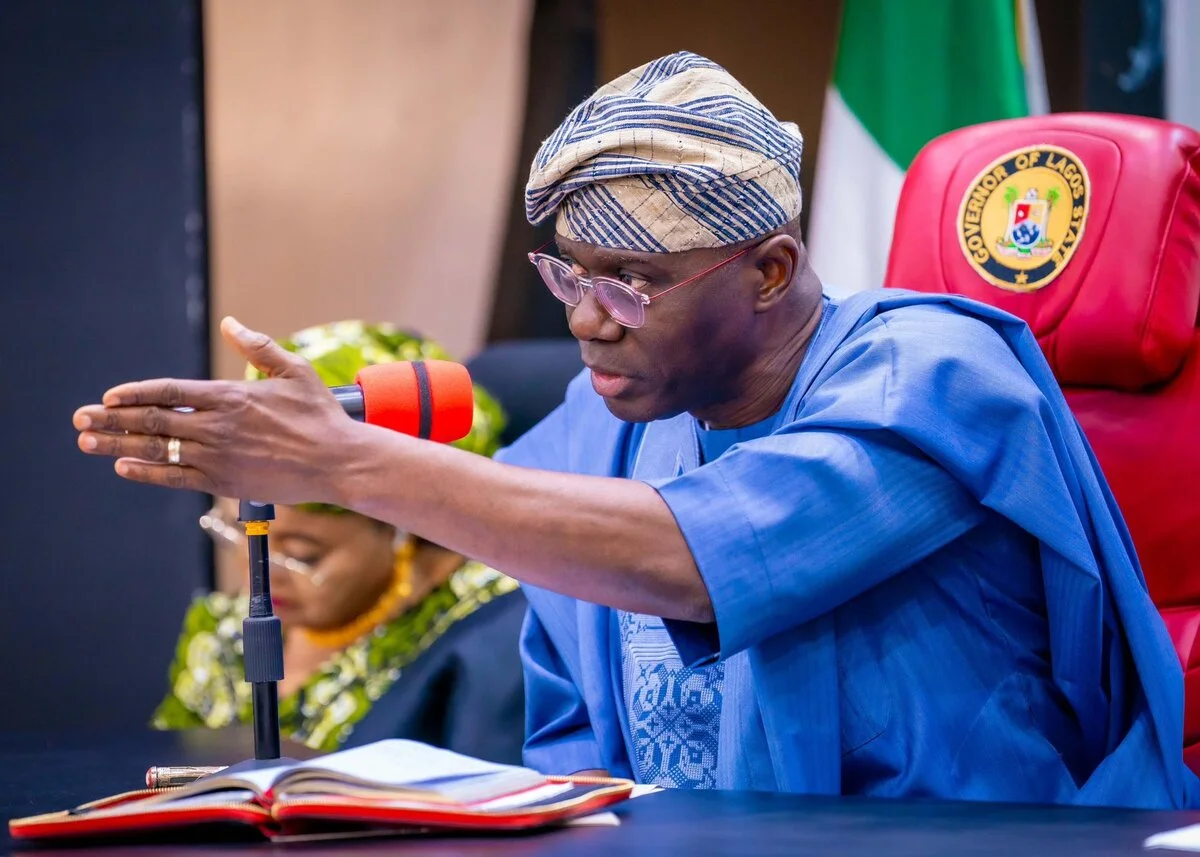
To address this structural issue, three specific reforms are proposed. First, the federal government should immediately resolve NigComSat’s $11.4 million unpaid debt and capitalize the NigComSat-2A and 2B programme, planned for 2028 and 2029, with an explicit commercial broadband mandate, measured by subscriber counts and megabits per second relative to competitors like Starlink.
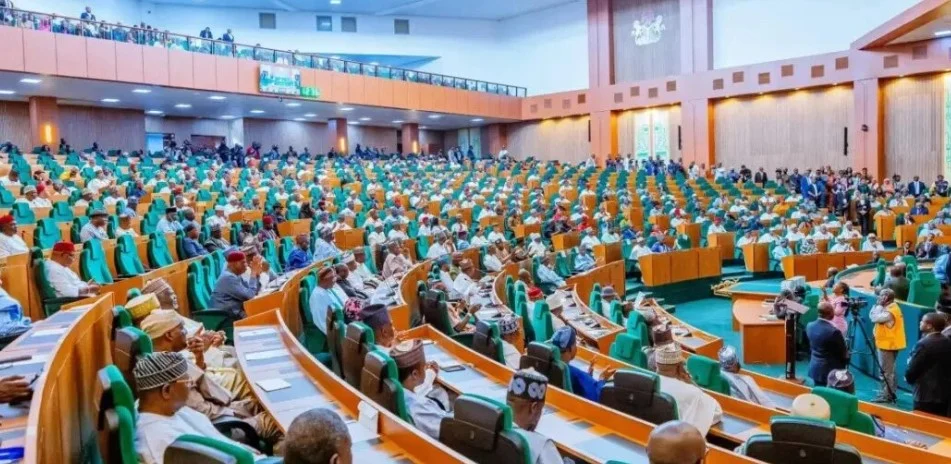
Second, the National Assembly should legislate a uniform Right-of-Way fee cap across all 36 states. This would eliminate the patchwork of 21 state-level tariff regimes that deter national fibre infrastructure investment, replicating the measurable improvements seen in the 15 states that have already removed these fees.
Third, Nigeria must treat its engineers, software developers, and technology professionals as productive capital. An estimated 16,000 Nigerian doctors, alongside numerous engineers, left the country in the five years to 2024. Instruments such as equity participation in state-sponsored technology ventures, diaspora investment structures, and deliberate domestic employment pipelines for technology professionals are crucial to retaining this talent and changing the economic arithmetic.
This is not an argument against foreign investment, as companies like MTN and Airtel Africa have significantly connected more Nigerians than the state. Rather, the argument is that filling a gap is not the same as owning the economy of that gap, emphasizing the need for Nigeria to build its own digital infrastructure capacity.