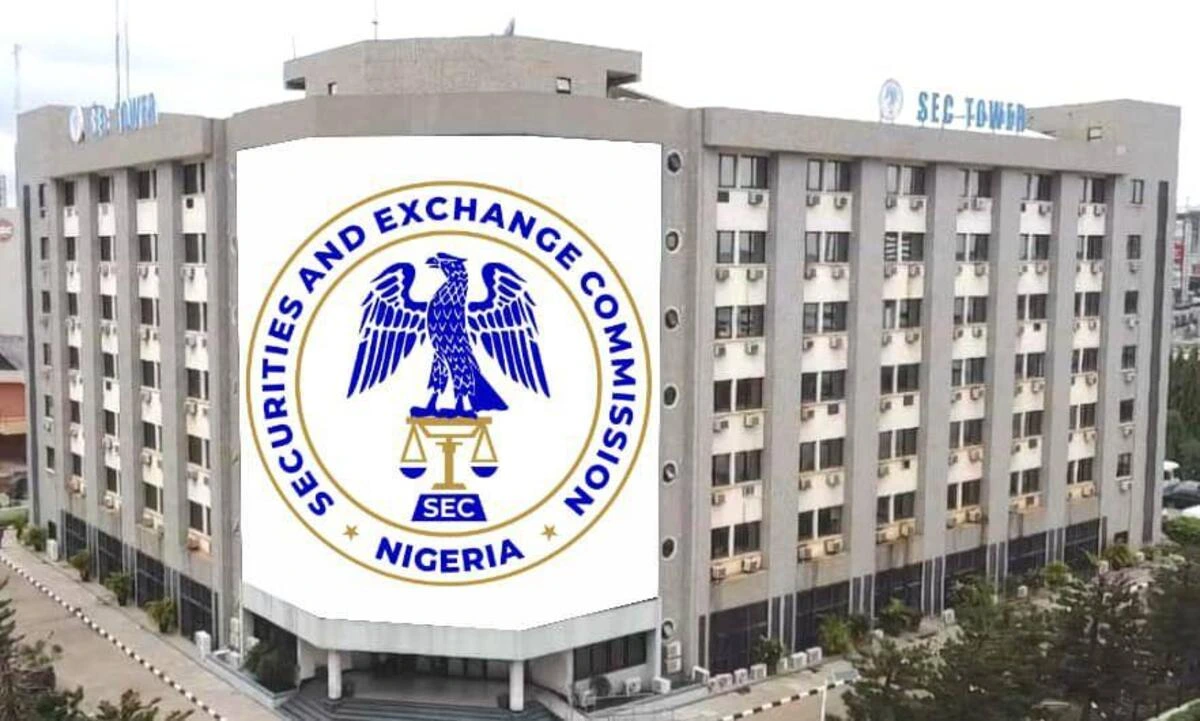
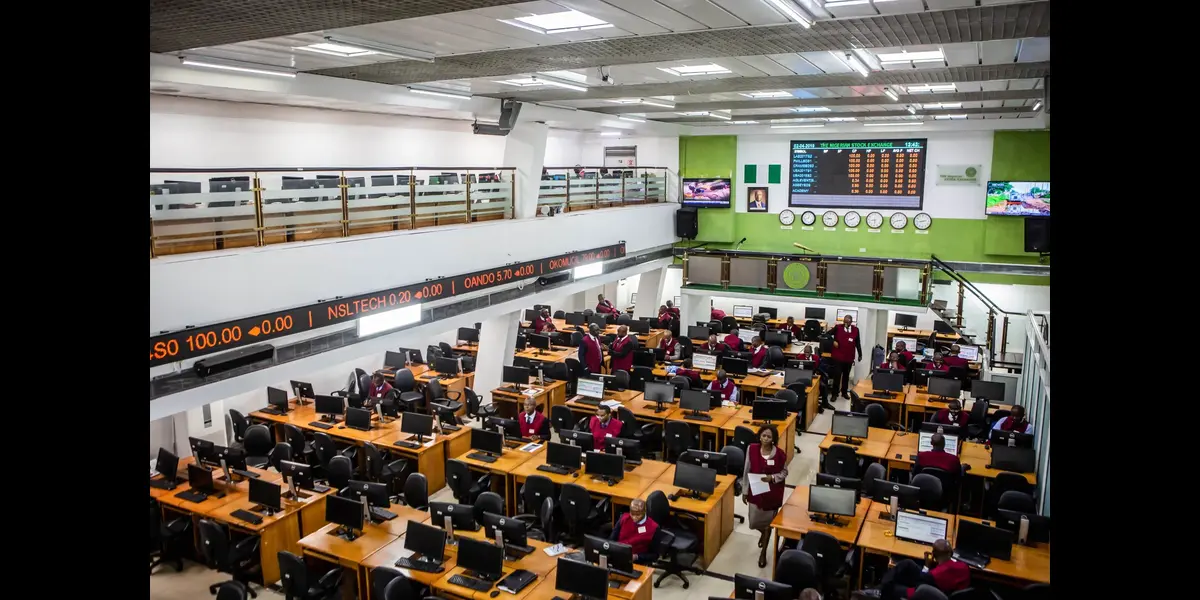
The Securities and Exchange Commission (SEC) has established 5:00 p.m. on Trade Date plus One (T+1) as the hard settlement deadline for all equities and commodities transactions in the Nigerian capital market. The regulator announced this directive in a public notice signed by its management on August 12, 2026, to clarify the operational guidelines of the T+1 settlement cycle.
This new directive builds upon the regulatory framework previously laid down by the Commission. The SEC had earlier issued circulars on June 3, 2025, regarding the T+2 settlement framework, and on May 15, 2026, detailing the transition phase to the T+1 cycle.
Enforcing Delivery versus Payment Standards
According to the SEC, all equities and commodities transactions processed through the Central Securities Clearing System (CSCS) will be deemed fully paid at the exact time of settlement. This measure is designed to guarantee strict compliance with the standard Delivery versus Payment (DvP) procedure.
The regulator stated that the 5:00 p.m. T+1 timeline ensures that securities and cash are exchanged simultaneously. By enforcing this window, the market reduces the duration of outstanding unsettled trades and minimizes systemic risk.
Exemption for Foreign Portfolio Investors
In a key clarification for international market participants, the SEC confirmed that foreign portfolio investors do not need to pre-fund their accounts before executing trades. This exemption aims to maintain the attractiveness of the Nigerian capital market to global capital providers.
However, the responsibility of ensuring liquidity remains with local intermediaries. Capital market operators facilitating these international transactions must establish and maintain strict internal controls to ensure that settlement funds are fully available within the prescribed T+1 timeframe.
Managing Broker Defaults Under T+1
The SEC has also outlined clear consequences for local operators who fail to meet the liquidity requirements. If a broker-dealer's trading account lacks sufficient funding to satisfy its settlement obligations by the 5:00 p.m. deadline, the transaction will be flagged as a default.
Such defaults will be managed immediately in accordance with the CSCS Default Management Procedure. Additionally, the settlement guidelines of the specific exchange where the trade occurred will be applied to resolve the liquidity shortfall.
This transition represents a rapid overhaul of Nigeria's post-trade infrastructure, which has progressed from T+3 to T+2, and finally to T+1. The CSCS officially launched the T+1 settlement cycle in June 2026, following preparatory directives that required market operators to align their systems ahead of the implementation.