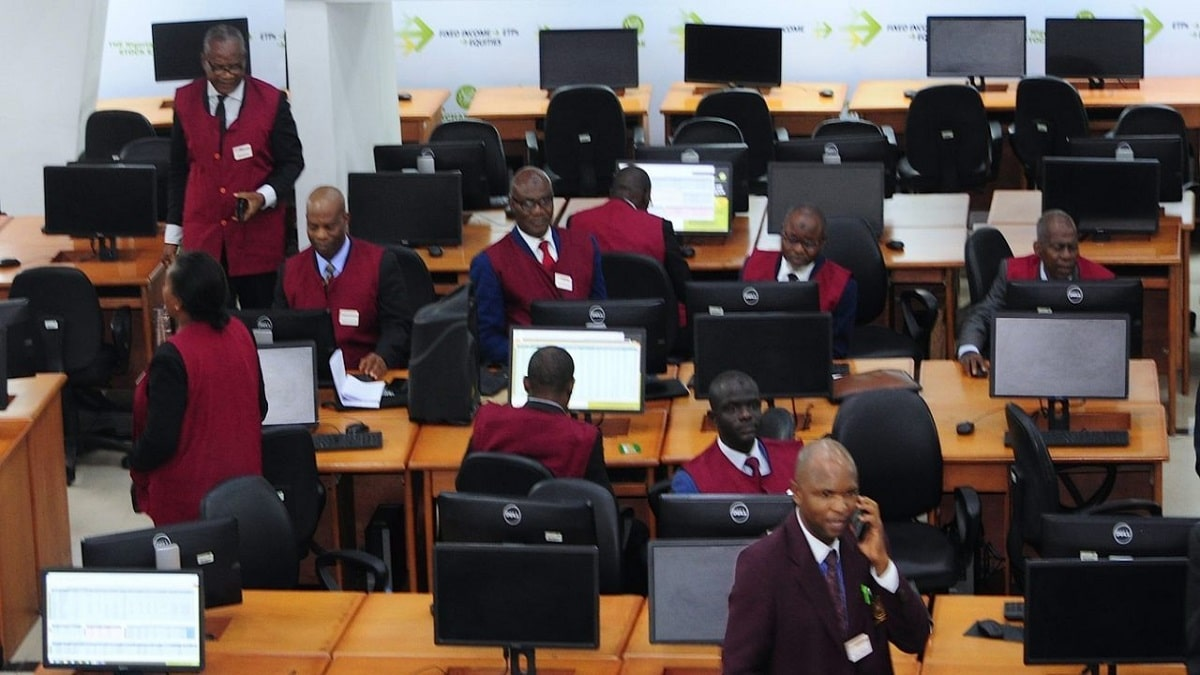
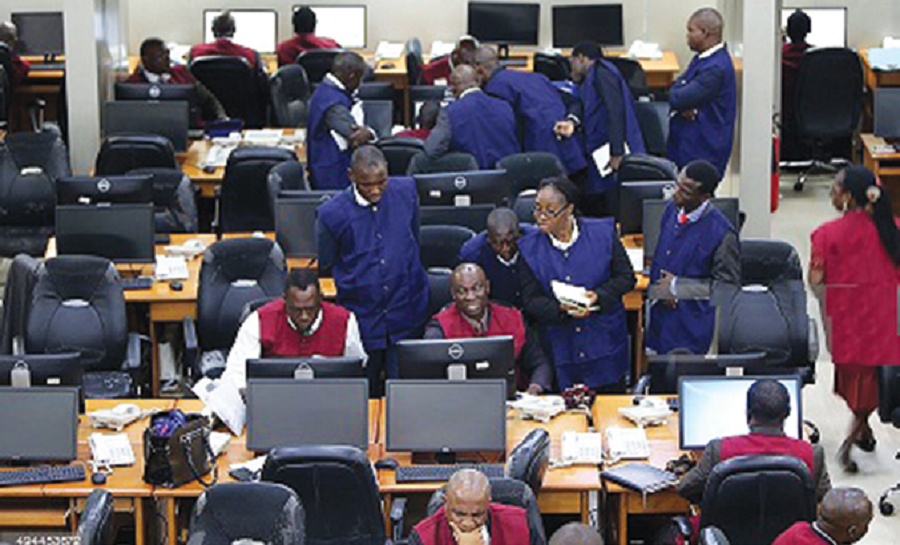
The Director General of the Securities and Exchange Commission, Emomotimi Agama, has explained why the explosive bull run in the Nigerian stock market is more sustainable than the recent tech-driven surge in South Korea.
While South Korea's Kospi index was propelled by a hyper-focused wave of artificial intelligence investments, Nigeria's rise to the world's best-performing stock market in 2026 is anchored in domestic economic restructuring, banking sector recapitalisation, and stabilising local currency dynamics.
Comparing the Legs of Two Rallies
Agama pointed out that South Korea's market relied on a single investment theme that quickly soured. When the global AI trend cooled, the Kospi plummeted more than 20% from its June highs in a matter of weeks, falling into a technical bear market.
In contrast, Nigeria's rally has multiple legs. Three years of macroeconomic reforms, including exchange rate liberalisation, fiscal consolidation, and orthodox monetary policy, have rebuilt investor confidence regarding capital repatriation.
The SEC Director General noted that these fundamentals do not vanish overnight when a global trend turns, providing a more stable foundation for local equities.
Naira Stability and T+1 Settlement Drive Performance
Currency dynamics have also played a major role in protecting investor returns. The naira has appreciated by about 4% against the dollar this year, meaning gains on local equities are actual dollar-denominated returns rather than being eroded by depreciation.
Furthermore, Nigeria transitioned to a T+1 settlement cycle on June 1, 2026. This faster cycle reduces counterparty risk and aligns the country's financial infrastructure with global best practices.
While Nigeria's market remains relatively small with an equity capitalisation of roughly N156 trillion, it has delivered the best dollar-denominated performance among all tracked exchanges in 2026.
Concentration Risks and Regulatory Warnings
Despite the historic performance, Agama warned that the capital market is not a casino and urged local investors to remain cautious. He advised retail investors to trade only through registered operators, diversify their portfolios, and think in terms of years rather than weeks.
The regulator also highlighted key risks, noting that market gains remain heavily concentrated in a handful of sectors and large-capitalisation names. This concentration poses a risk even in a rising market.
The market also remains exposed to external factors such as global oil prices, inflation, interest rate dynamics, and the consistency of ongoing fiscal and monetary reforms.