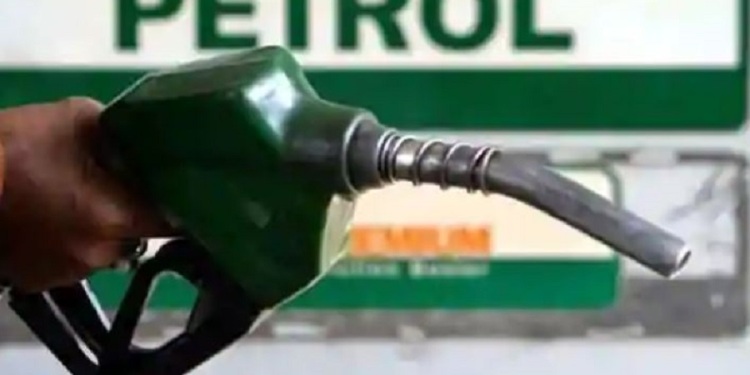
Nigerian oil marketers suggest that the recent decline in petrol prices may cause vehicle owners to revert from Compressed Natural Gas (CNG) to traditional petroleum products. This shift follows a significant drop in global crude oil prices, impacting local fuel costs.
The price reduction is expected to increase patronage at filling stations, with marketers anticipating higher demand for petrol. Operators with efficient supply chains are particularly poised to benefit from these changing market dynamics.
Price Drop Details and Causes
Petrol prices in Lagos and surrounding areas have decreased from an average of N1,320 per litre to a range of N1,199 to N1,245 per litre at filling stations. Similarly, prices at major depots fell from N1,275 per litre to between N1,165 and N1,180 per litre.
This decline is attributed to a peace deal between the United States and Iran, which led to an increase in global crude oil supply. Consequently, crude oil prices dropped from as high as $120 per barrel to about $77 per barrel.
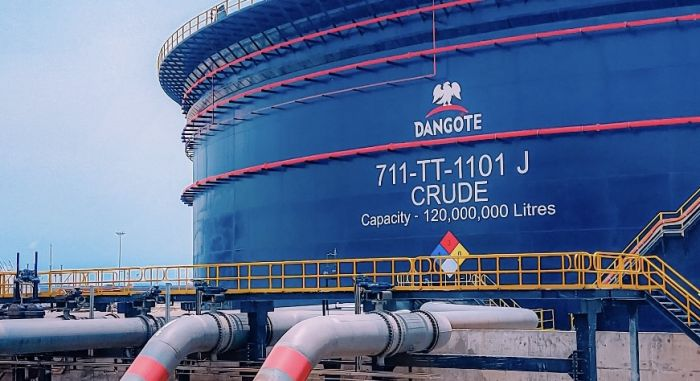
Chinedu Ukadike, National Publicity Secretary of the Independent Petroleum Marketers Association of Nigeria (IPMAN), confirmed that Dangote Refinery, a primary supplier in Nigeria, adjusted its prices in line with the international crude oil market decrease.
Impact on CNG Adoption
Ukadike stated that many individuals installed CNG tanks and used cylinders for small-scale businesses due to the high cost of petrol. He believes that with falling petrol prices, these consumers will likely abandon CNG and LPG and revert to petrol.
He added that lower petrol prices would intensify competition among various energy sources, prompting consumers to re-evaluate their fuel options. This presents a challenge to the nascent CNG adoption efforts.
Marketers' Opportunities and Challenges
The reduction in petrol prices offers both opportunities and challenges for petroleum marketers. Mallam Darman Abdullahi, a retail station operator, noted that marketers who purchased products at higher prices before the reduction are experiencing inventory losses as they are now compelled to sell at lower rates.
However, lower prices are encouraging increased consumption, leading to reduced transportation and operating costs for consumers. This could result in higher sales volumes, improving cash flow and turnover for marketers, although profit margins per litre may not necessarily increase.
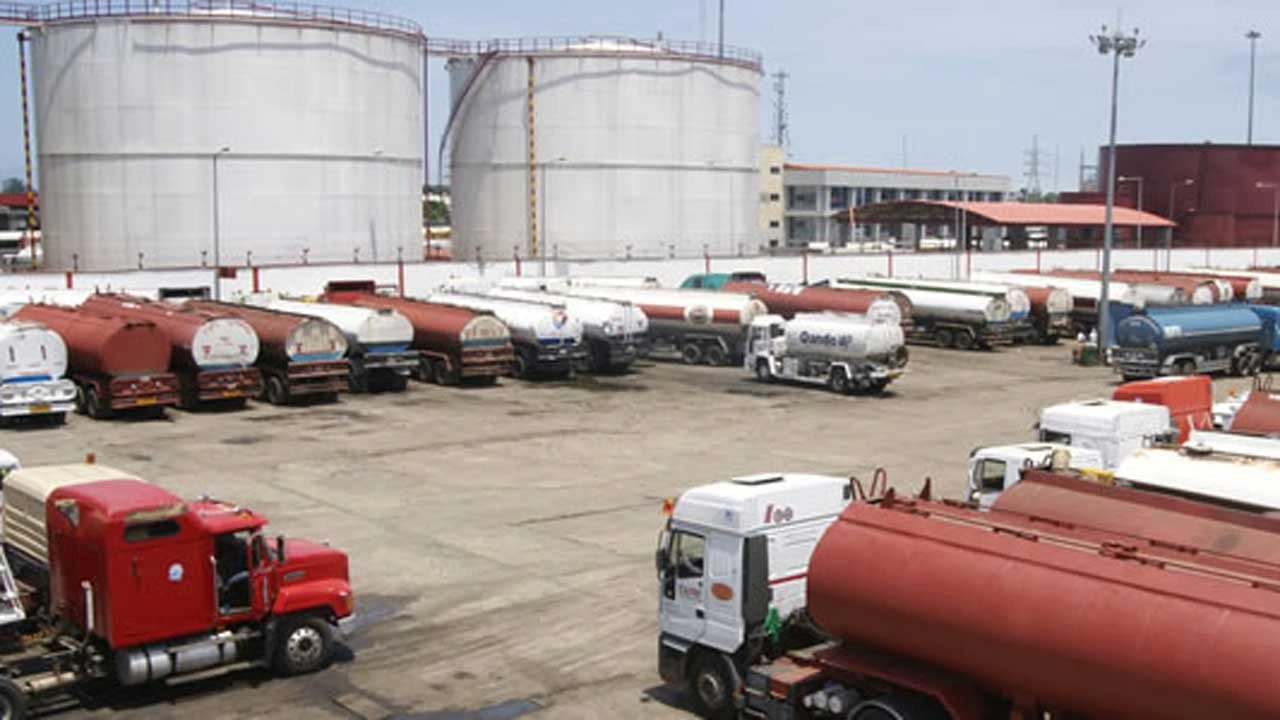
Ukadike highlighted that lower petrol prices enable marketers to purchase larger volumes with less funding, a significant improvement from previous high-price scenarios. This increased purchasing power allows stations to boost their supply, enhancing product availability for consumers.
Previous Market Conditions
Earlier in March 2026, oil marketers had expressed concerns about their businesses suffering due to surging petrol prices linked to the Middle East conflict. The increase in supply costs created substantial financial pressure, particularly for operators relying on bank loans for product purchases.
During that period, marketers reported a sharp drop in demand, with some customers reducing their purchases from 20,000 litres or 10,000 litres to as little as 2,000 litres or 1,000 litres. The latest decline in petrol prices has thus significantly shifted market conditions, with marketers now anticipating increased demand and improved product movement across retail outlets.