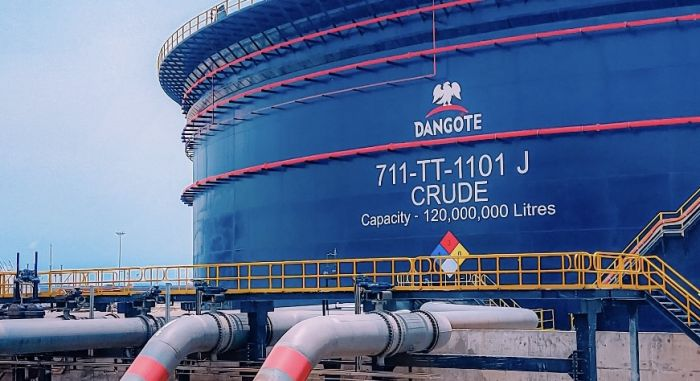
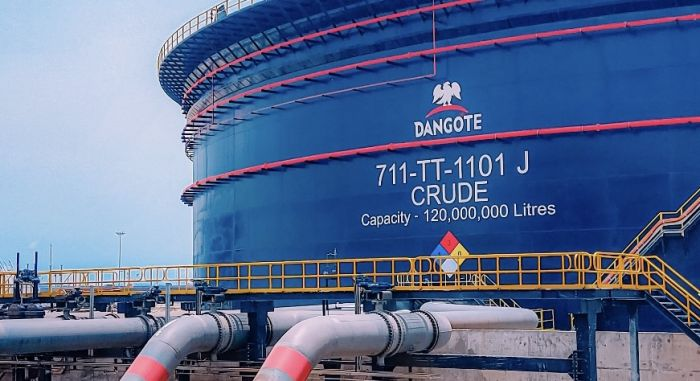
Dangote Petroleum Refinery and Petrochemicals has stated that the pricing of its petroleum products is not directly tied to daily movements in international crude oil prices. This explanation clarifies why pump prices do not immediately reflect declines in global oil benchmarks, following calls from Nigerians and the Federal Government for marketers to reduce prices amid recent drops in international crude oil prices.
The refinery emphasized its commitment to ensuring Nigerians benefit from favourable market developments through fair, responsible, and sustainable pricing. It noted that crude oil is typically procured weeks or months before processing under commercial contracts primarily linked to monthly average pricing mechanisms, rather than prevailing spot market prices.
Dangote Refinery has consistently reduced the prices of its petroleum products despite processing crude oil purchased when international prices were significantly higher than current levels. Since May 30, 2026, the refinery has cut the ex-depot price of Premium Motor Spirit (PMS) by N200 per litre, Automotive Gas Oil (AGO) by N300 per litre, and Jet A1 aviation fuel by N520 per litre.
These reductions demonstrate the refinery's commitment to passing on cost efficiencies to consumers while maintaining the operational and financial sustainability of domestic refining. The latest N50 per litre reduction for petrol, announced on July 2, 2026, marks the fourth price cut within one month, bringing cumulative PMS price reductions to more than N200 per litre since May 30, 2026.
The refinery disclosed that the average landed cost of crude processed at its facilities was approximately US$124.80 per barrel in May and US$95.25 per barrel in June. This contrasts with the current international benchmark of around US$71.01 per barrel. Crude is purchased on a Dated Brent plus market premium, freight, and logistics cost basis, not solely the headline ICE Brent price.
Dangote Refinery absorbed a substantial portion of these higher crude costs instead of immediately transferring the increase to consumers, thereby supporting market stability and moderating inflationary pressures. Nigeria’s petroleum product prices, according to the refinery, remain lower than those in neighbouring countries, even after accounting for taxes.
Nigerians can anticipate further price moderation as lower-cost crude inventories gradually replace higher-priced stock, provided international market conditions remain favourable. The refinery currently supplies volumes sufficient to meet national demand, strengthening energy security, eliminating import dependence, conserving foreign exchange, and providing greater price stability for consumers and businesses.