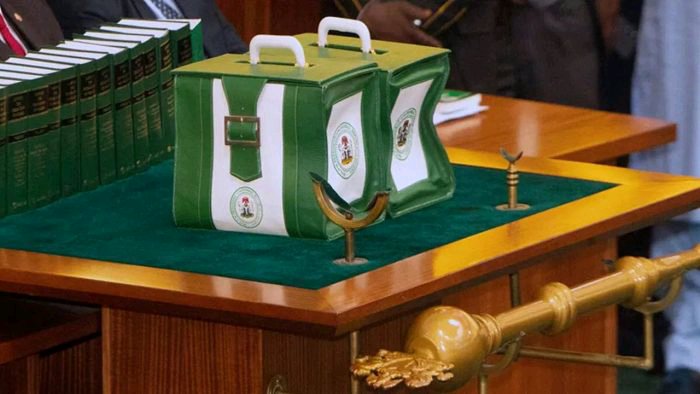
The Federal Government of Nigeria has finally released the 2025 Third Quarter Budget Implementation Report, eight months after the statutory deadline of October 30, 2025, as mandated by Section 50 of the Fiscal Responsibility Act, 2007.
The delayed release, occurring in May 2026, has drawn attention to the government's adherence to fiscal transparency principles. Despite the tardiness, the release is viewed as a step towards accountability, which is crucial for attracting foreign direct investment and building investor confidence.
Timely budget reporting signals commitment to a rules-based public financial management system, offering a competitive edge in the global capital market. The report provides a baseline for Foreign Direct Investment (FDI) attraction by offering insights into government revenue projections, debt service implications, and the trajectory of the naira.
For domestic investors, the report serves as a diagnostic tool to assess government spending on infrastructure and investment in critical sectors like power, which are vital for business expansion.
GDP Growth and Sectoral Performance
The Q3 2025 report indicates a real GDP growth of 3.98%, largely propelled by the services sector. The oil sector experienced a growth of 5.84%, while the non-oil sector grew by 3.91% during the same period.
The services sector's significant contribution of 53.02% to the GDP is noted. However, the growth within this sector is increasingly concentrated in telecommunications, financial services, and digital platforms. These sectors are characterized by high capital intensity and relatively low labor absorption, potentially benefiting a select group rather than the broader workforce.
In contrast, the agricultural sector, which is a significant employer of approximately 35% of the workforce, recorded a growth of 1.19% in Q3 2025. This disparity raises questions about the inclusivity of the reported economic growth.