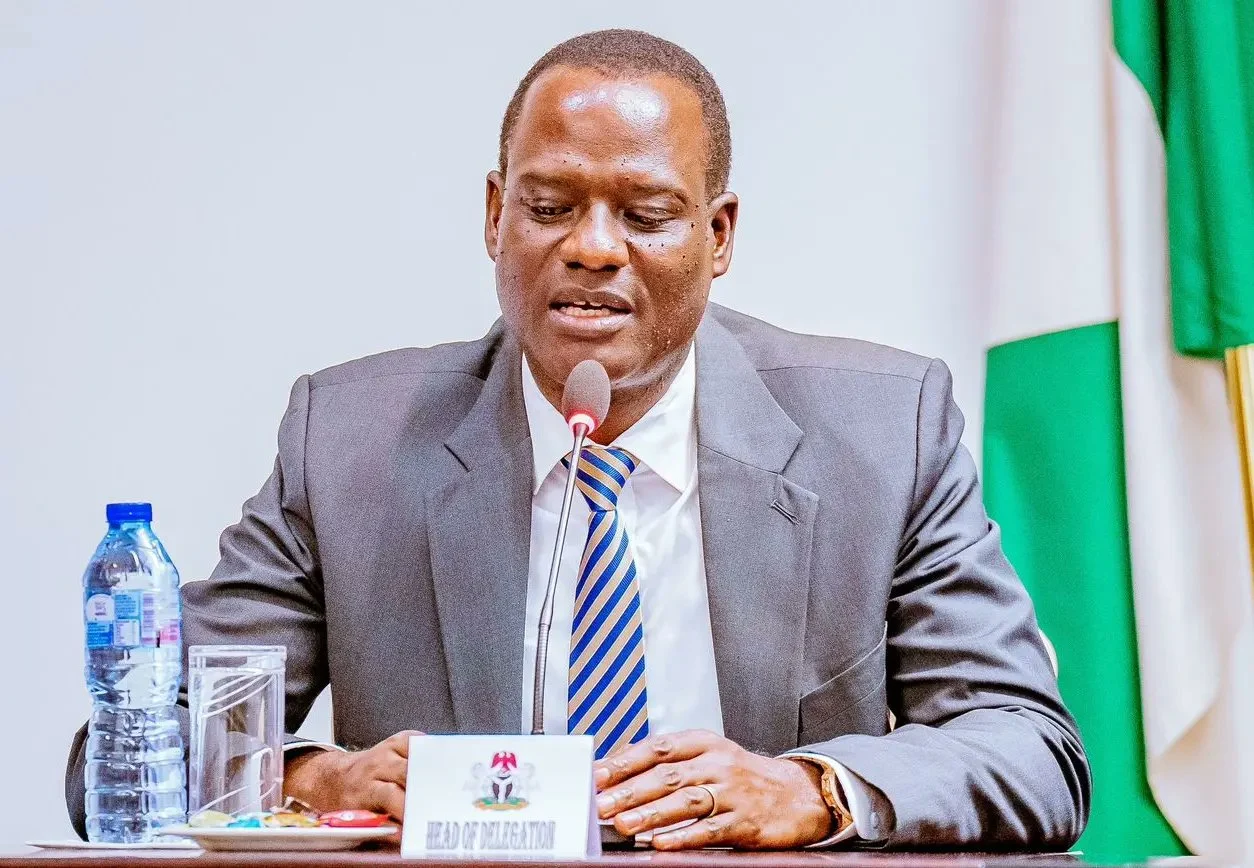
The Federal Government has dismissed allegations that it spent more than ₦8 trillion outside the 2026 approved budget. Minister of Finance and Coordinating Minister of the Economy, Taiwo Oyedele, issued a statement on Sunday, July 5, 2026, describing the claims as inaccurate and a misrepresentation of the International Monetary Fund’s (IMF) 2026 Article IV Consultation Report.
Oyedele stated that the allegations wrongly suggested about two per cent of Nigeria’s Gross Domestic Product (GDP) was expended outside the approved budget, contradicting the country’s constitutional and statutory framework.
Government's Rebuttal
The Minister emphasized that the Federal Government does not operate a “shadow budget” or spend public funds outside the constitutional and statutory framework, calling such claims legally and factually incorrect. He clarified that under Sections 80 to 83 and 162 of the 1999 Constitution, public funds are withdrawn and spent only in accordance with the Constitution and laws enacted by the National Assembly.
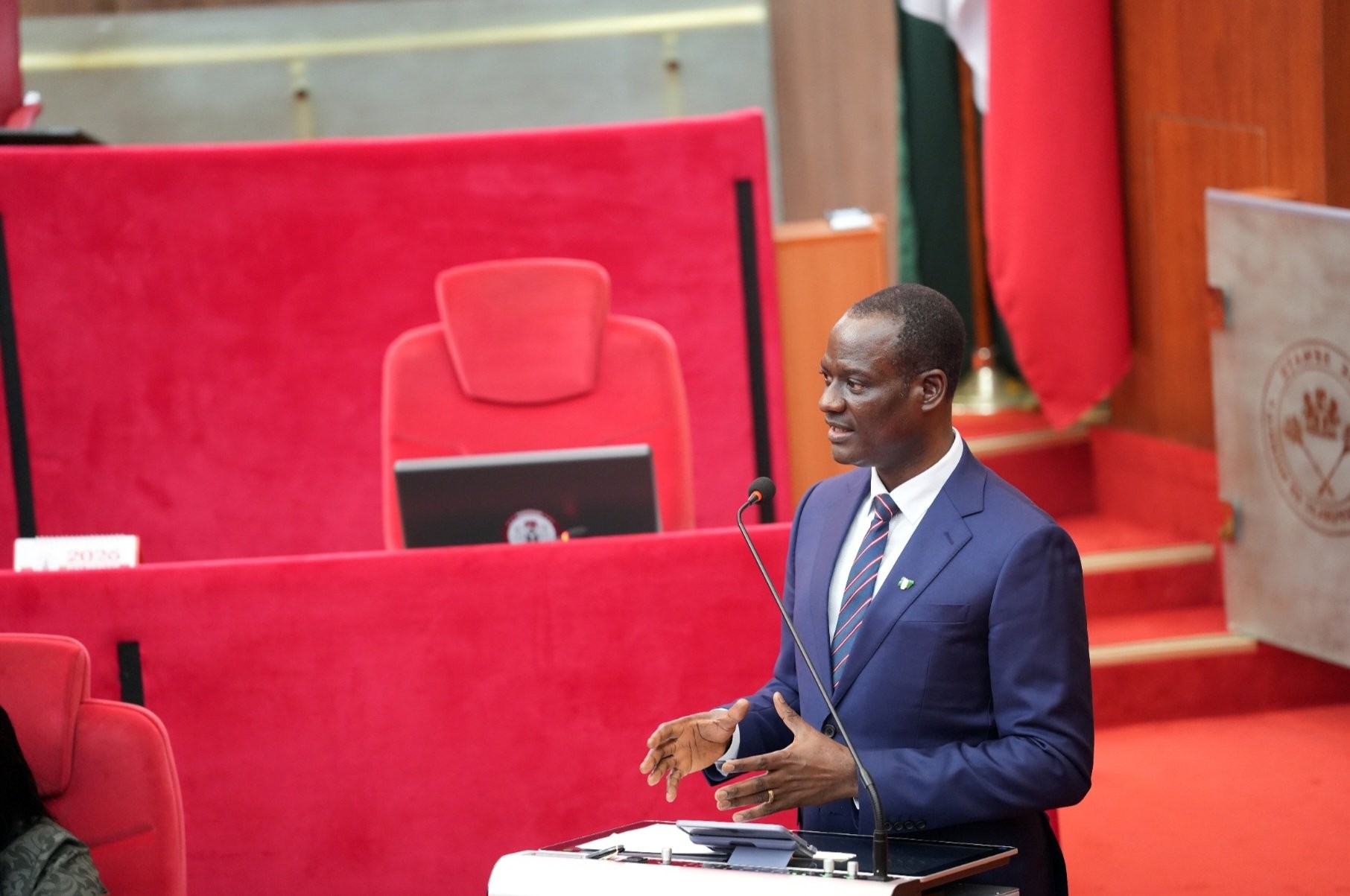
Federal Government spending is undertaken through duly enacted Appropriation Acts, Supplementary Appropriation Acts, and other statutory authorities approved by the legislature. Oyedele also explained that multi-year capital projects implemented across different budget cycles and approved capital rollovers are recognized components of public financial management and should not be misconstrued as spending outside the budget.
He challenged those making the allegations to identify specific projects purportedly executed without appropriation or legal authority and present credible evidence. Oyedele listed statutory transfers, debt service obligations, first-line charges, and intervention mechanisms established by Acts of the National Assembly as among the expenditures authorized by law.
These expenditures, he stressed, are neither secret nor illegal; they are established by law, disclosed in various fiscal reports, and subject to applicable oversight, audit, and accountability mechanisms. The Minister also rejected suggestions that the reported spending represented an increase in Nigeria’s fiscal deficit, explaining that a fiscal deficit is determined by the relationship between total government revenues and total government expenditures.
IMF's Initial Observations and Public Debate
The controversy began after IMF Resident Representative in Nigeria, Christian Ebeke, stated in Lagos that roughly two per cent of GDP in government expenditure had not been reported in official budgets. This created a statistical discrepancy that made Nigeria’s fiscal deficit appear smaller than it actually was.
Based on Nigeria’s nominal GDP of $318.84 billion and an exchange rate of ₦1,380 to the dollar, the estimated 2% of GDP amounts to approximately ₦8.8 trillion. This figure is higher than the combined ₦5.41 trillion allocated to defence and ₦2.48 trillion budgeted for health.
Opposition Figures Allege Misuse
The IMF’s disclosure sparked widespread debate among Nigerians, with opposition figures quickly reacting. Former Vice President Atiku Abubakar, the ADC presidential candidate, described the development on Saturday, July 4, 2026, as “the most consequential act of fiscal impunity in Nigeria’s recent democratic history.”
Atiku alleged that the unreported spending, combined with an alleged ₦800 billion removed from state government allocations, pointed to the construction of a massive, multi-purpose slush fund for the Tinubu administration’s 2027 re-election campaign. Omoyele Sowore, the 2027 presidential candidate of the African Action Congress (AAC), also criticized the government, calling it an “organized looting operation.”
Political analyst Obiasogu David questioned the government’s handling of public funds, linking it to a previous controversy over an alleged “fake agency” that reportedly received about ₦1.3 billion in the 2026 budget. X user @EpitomeOJ described the alleged unreported spending as alarming, stating that ₦8.8 trillion could significantly transform the country’s infrastructure.
Analysts Offer Alternative Perspectives
However, some commentators offered a different interpretation of the IMF’s findings. Ayoku (@bolajiayo), a social commentator and APC member, cautioned Nigerians against accepting political allegations as established facts, urging that accountability should be based on evidence.
Financial commentator Enitan Bello argued that Atiku’s statement overstated what the IMF had actually reported. Bello described the former vice president’s statement as “a masterclass in political propaganda,” clarifying that the IMF referred to a statistical discrepancy, not evidence of missing or stolen funds. He explained that it meant government projects were carried out but not properly reflected in official budget records, indicating inadequate documentation rather than stolen money.
Context of Previous Budget Controversies
Oyedele further clarified that the IMF’s observations were about improving the comprehensiveness and presentation of fiscal reporting, not questioning the legality of government expenditure. He noted that President Bola Tinubu had already asked the National Assembly during the presentation of the 2026 Appropriation Bill on December 19, 2025, to end the practice of operating multiple and overlapping budgets and instead adopt a single, harmonized budget framework.
This public reaction follows another recent budget controversy involving the Presidential Foreign Intervention Promotion Council (PFIPC), an agency the Presidency publicly insisted does not exist despite receiving about ₦1.3 billion in the 2026 Appropriation Act. The Minister reaffirmed the Federal Government’s commitment to transparency, accountability, and prudent fiscal management, urging public debates to be based on accurate facts and a proper understanding of Nigeria’s constitutional and fiscal framework.