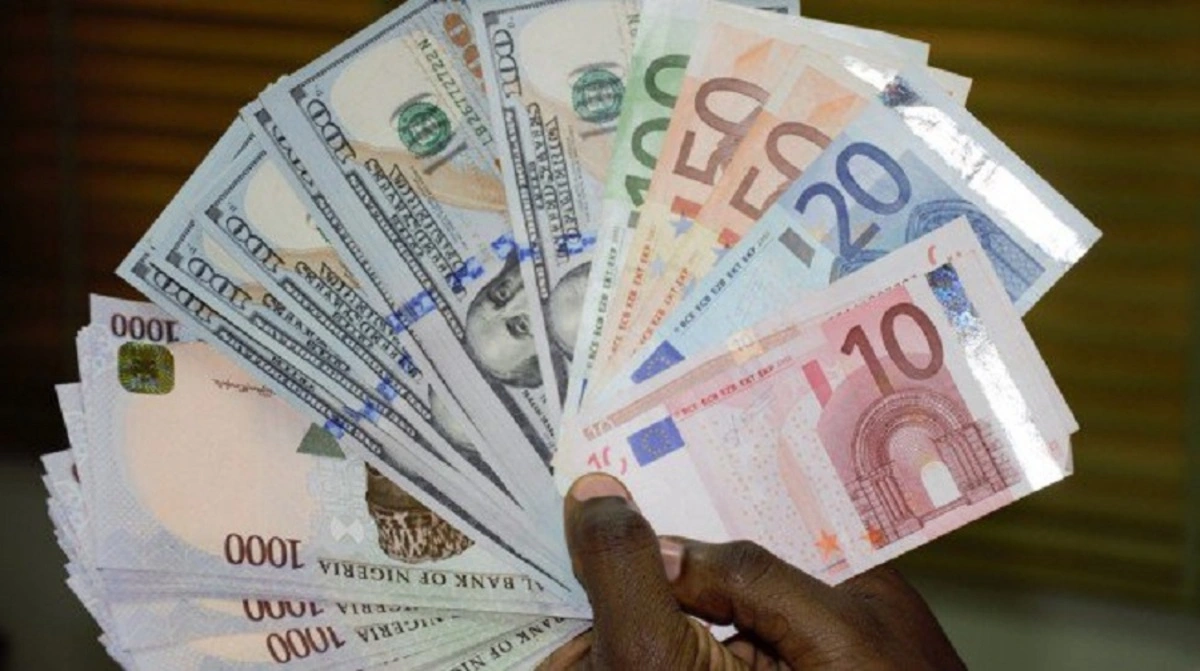
Nigeria’s foreign exchange market achieved a significant milestone, crossing the $4 billion mark in weekly turnover for the first time in 2026. Total transactions in the FX Spot and Derivatives markets surged 83.38% to $4.375 billion in the week ended July 24, 2026, up from $2.386 billion in the previous week.
This record figure was obtained from the latest weekly FX market turnover report provided by FMDQ Exchange to Nairametrics. The milestone follows a previous high of $3.053 billion recorded for the week ended July 3, 2026, which was then described as the strongest weekly turnover in about three months.
Market Activity Breakdown
The week under review saw remarkable increases across all segments. FX Spot and Derivatives experienced unprecedented jumps, contributing to the overall surge.
Total FX turnover reached $4.375 billion, marking an increase of $1.989 billion from the previous week's $2.385 billion. The average daily turnover rose to $875.00 million, up by $397.84 million from $477.16 million.
FX Spot transactions amounted to $4.312 billion, an 81.85% increase from $2.371 billion. FX Derivatives, entirely composed of FX Forwards, saw a 333.59% surge, rising by $48.37 million to $62.87 million from $14.50 million.
The spot market maintained a dominant share, accounting for 98.56% of total turnover, a slight decrease from 99.39% the previous week. Forwards' share of total turnover increased to 1.44% from 0.61%.
Factors Behind the Surge
Analysts suggest the surge may have been driven by large private-sector transactions and increased foreign portfolio inflows. However, an insider at the Financial Market Dealers Association (FMDA), who preferred anonymity, specifically linked the unprecedented weekly dollar turnover to Dangote Refinery’s temporary policy of selling petroleum products in dollars.
The scale of the increase, a $1.99 billion week-on-week jump, dwarfs previous figures recorded this year. Prior weekly turnover figures through H1 and into July had moved in a comparatively narrow band, including $2.157 billion in mid-June, $2.323 billion the following week, $2.835 billion by June 26, and $3.053 billion by July 3, before dipping to $1.631 billion and rebounding to $2.386 billion.
The week ended July 24 is the first to breach the $4 billion threshold. The FMDA insider reiterated, “You know there was temporary dollar pricing for Dangote Refinery products. This is the reason for the sharp rise in dollar turnover.”
Analyst Perspectives
Mr. Tajudeen Olayinka, Chief Executive Officer of Wyoming Capital Partners Limited, offered further insights. He stated, “I want to believe there must have been a special transaction. I cannot say categorically what led to that,” suggesting the exceptional turnover was likely influenced by specific large transactions.
Olayinka noted that foreign portfolio investors continue to benefit from Nigeria's high interest rates, encouraging their participation. He suspected that transactions passing through FMDQ Securities Exchange likely originated from private sources, not government, indicating a concentration of large, one-off transactions.
The 333.59% surge in forward contracts alongside Spot demand suggests investors may have locked in future exchange rates to manage FX risk. Olayinka explained that investors often use forward contracts to hedge future foreign exchange exposure after bringing funds into the country, linking the spot market sales with forward purchases for hedging purposes.
Dangote Refinery's Brief Policy Shift
The record FX turnover coincided with a brief policy shift by Dangote Petroleum Refinery. On July 14, 2026, the refinery announced it would begin pricing petrol, diesel, and aviation fuel in U.S. dollars, replacing its naira-denominated pricing framework.
This move was expected to increase demand for dollars from domestic fuel marketers and encourage greater FX hedging activity. However, the dollar-pricing policy lasted for about a week before the refinery withdrew it and resumed naira-denominated sales, easing concerns over sustained pressure on foreign exchange demand.
Despite its brevity, the policy switch coincided with a sharp jump in official FX market turnover, fueling speculation about its contribution to the surge in spot and forward transactions. Beyond this, the Nigerian Foreign Exchange Market (NFEM) has continued to deepen, recording more than $46 billion in cumulative turnover between March and June 2026.
Spot transactions have consistently accounted for over 98% of weekly turnover, with over-the-counter forward contracts remaining the primary hedging instrument, as exchange-traded FX futures stayed inactive.