Nigerian crude oil and major oil contracts experienced a significant drop, falling below $95 a barrel on Wednesday. This market reaction follows an agreement for a temporary ceasefire between Iran and the United States, which includes plans to reopen the critical Strait of Hormuz shipping route.
The Strait of Hormuz is a vital artery for global energy supply, accounting for 20% of the world's energy transit. Its reopening is expected to ease supply concerns that have driven up prices.
Brent crude and West Texas Intermediate (WTI) futures also saw substantial declines, dropping by more than 15% by the time of publication. Bonny Light, a key Nigerian crude grade, had previously seen its price increase significantly amidst the Middle East conflict.
The ceasefire agreement, brokered by Pakistan with support from China, was announced just hours before a U.S. deadline for Iran to comply with demands or face further escalation. U.S. President Donald Trump stated he would suspend planned attacks if Iran agreed to the ceasefire and the immediate, safe opening of the Strait of Hormuz.
Iran's Foreign Minister, Abbas Araghchi, confirmed that safe passage through the Strait of Hormuz would be possible under Iranian military oversight for the two-week period. He emphasized that this does not signify the termination of the war, and Iran has proposed a 10-point peace plan for further negotiation.
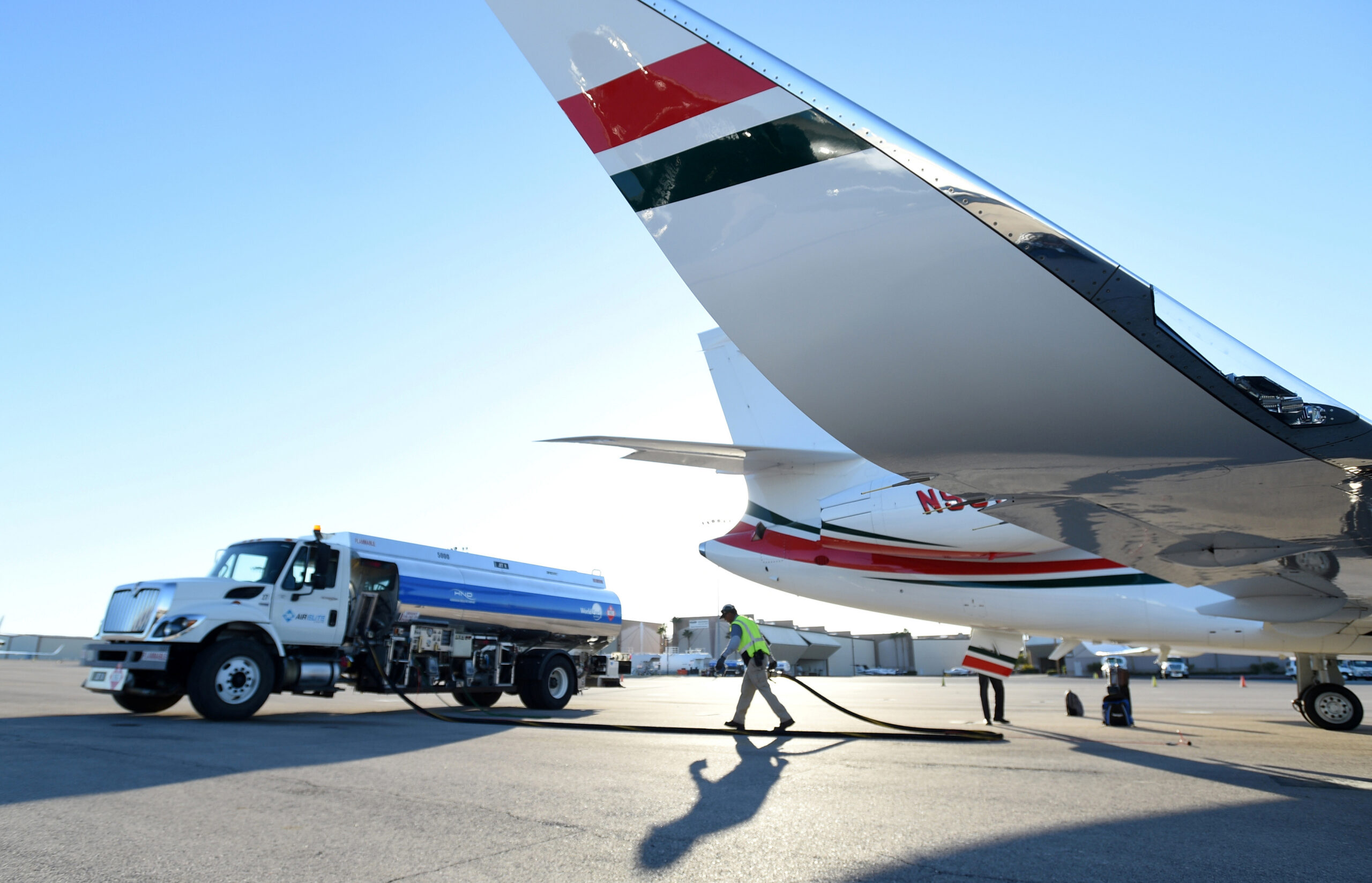
Despite the reopening of the Strait of Hormuz, the International Air Transport Association (IATA) warns that jet fuel supply recovery could take months. IATA Director-General Willie Walsh explained that disruptions to refining capacity in the Middle East mean that restoring supply levels will be a lengthy process.
Walsh noted that while crude oil prices may decline, jet fuel costs are likely to remain elevated. He suggested that countries like India and Nigeria could increase their output of refined products in the short term to alleviate supply pressures. Other producers may gradually ramp up production as crude oil flows stabilize, and elevated refining margins are expected to incentivize increased jet fuel production globally.
Airlines have already begun adjusting operations by cutting flights, carrying extra fuel, and adding refueling stops, reflecting the ongoing jet fuel supply constraints and the anticipated slow pace of recovery.