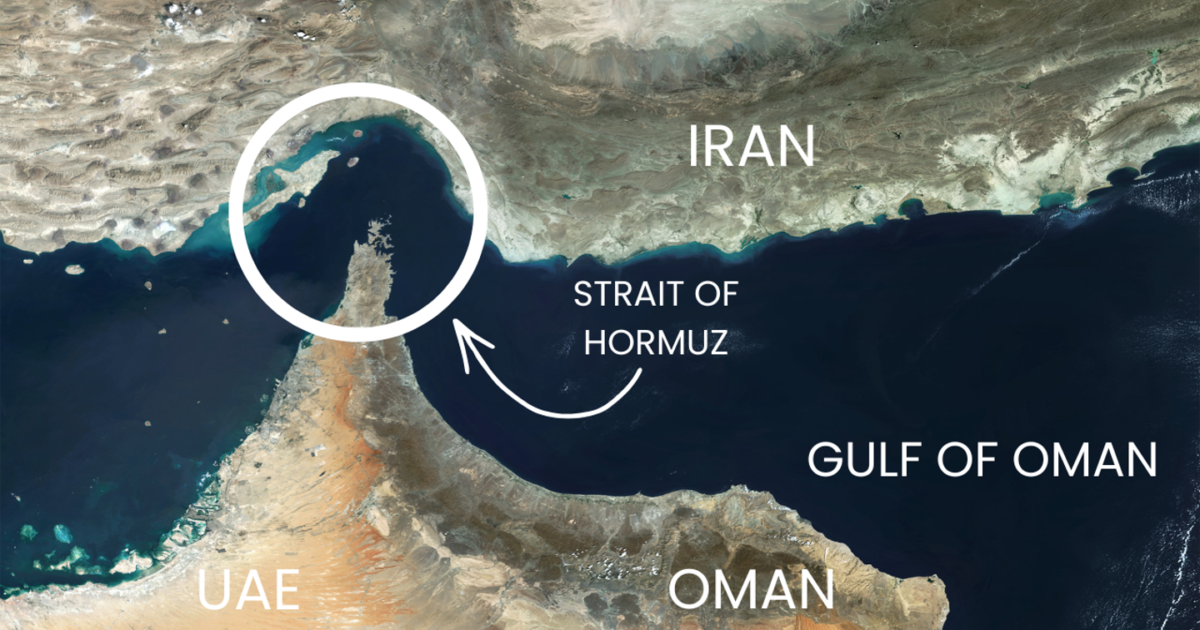
Nigerian crude oil and other major contracts saw a significant rise as peace talks over the Iran war stalled and the Strait of Hormuz remained virtually impassable. These disruptions in the Middle East have shaken global markets.
Brent crude increased as much as 2.5 percent to $108 per barrel, while West Texas Intermediate moved toward $97. Nigerian light sweet grades like Bonny Light, Qua Iboe, and Brass River have surged to over $113/bbl, and in some spot instances have reached as high as $130 per barrel.
The premium for these Nigerian grades, standing at $5 over Brent, is attributed to Asian and European consumers shifting to West African light sweet crude. This shift is due to supply disruptions in the Middle East and high demand for "sweet" crude, which has less sulfur and is more easily converted into high-value products like jet fuel and diesel by refineries.
However, crude oil prices saw some of their gains diminish after reports revealed that Tehran had presented the US with a new plan to open the Strait of Hormuz. Iran declared that it will not participate in talks if it is threatened, and US President Donald Trump cancelled his top envoys' planned weekend visit to Pakistan, which has been mediating the talks.
Daily transits through the crucial waterway have decreased to nearly zero due to a blockade of the Strait of Hormuz by both the US and Iran, despite a ceasefire that has essentially been in place since early April. Fuel, natural gas, fertilizer, and crude supplies have all been cut off due to the supply shock, raising concerns about an inflation crisis.
Iran has proposed to the US, through Pakistani mediators, a deal to reopen the Strait and end the war, with nuclear talks postponed for a later stage. This proposal follows President Trump's cancellation of his envoys' trip to Pakistan, stating there was no point in talks if Iran was not offering a better proposal.
Oil prices rose around two percent on Monday. West Texas Intermediate was up 1.9 percent at $96.18 a barrel, and Brent North Sea Crude was up 2.1 percent at $107.51 a barrel. Lingering hopes that a deal can eventually be reached have tempered these gains.
Fawad Razaqzada of Forex.com warned that oil prices could surge again at any time. He noted that if tensions escalate further, particularly into open conflict, there is a clear risk of a sharper spike. As long as shipping through the Strait remains constrained, the current premium is unlikely to fade, and a move beyond $110 appears increasingly plausible without a credible breakthrough.