In response to persistent macroeconomic adjustments, Nigerian businesses have historically resorted to self-generation to ensure operational continuity. This approach transformed commercial banks, manufacturing plants, and fast-moving consumer goods (FMCG) giants into accidental power companies.
However, this legacy habit has evolved from a necessary shield into a severe operational drag, particularly as cost pressures reach an all-time high. The immediate impulse to own alternative power solutions, such as buying solar panels and deploying CapEx, introduces structural inefficiencies that erode corporate value.
Data from the Manufacturers Association of Nigeria (MAN) reveals that local industrial players spent an unprecedented amount of more than ₦1.1 trillion on self-generation alone in recent cycles. This expenditure was solely to bypass broken public infrastructure, highlighting the significant financial burden on businesses.
The critical flaw of self-generation lies in the misallocation of corporate focus. When leadership, human resources, and operational bandwidth are diverted to managing complex energy logistics, it constitutes a costly strategic error, detracting from core business growth and market expansion.
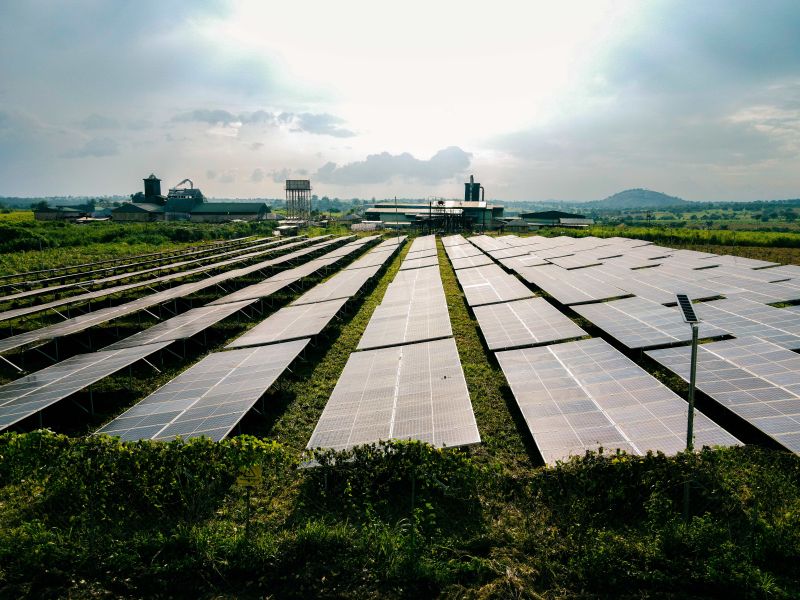
Furthermore, direct asset procurement introduces severe technology risk. Renewable energy infrastructure experiences exponential technological obsolescence, with breakthroughs in photovoltaic cell efficiency, inverting efficiency, and lithium-ion battery chemistry rendering older hardware uncompetitive on short cycles.
Deploying significant upfront CapEx locks a rapidly depreciating technical asset onto a company’s balance sheet, along with a heavy long-term maintenance liability. Under a structured Power-as-a-Service model, this technology risk is completely transferred to the provider.
The client avoids the initial cash freeze entirely, paying only a predictable operational expense (OpEx) for the actual wattage consumed. The provider bears the contractual obligation to maintain, optimise, and upgrade the infrastructure, ensuring guaranteed uptime.
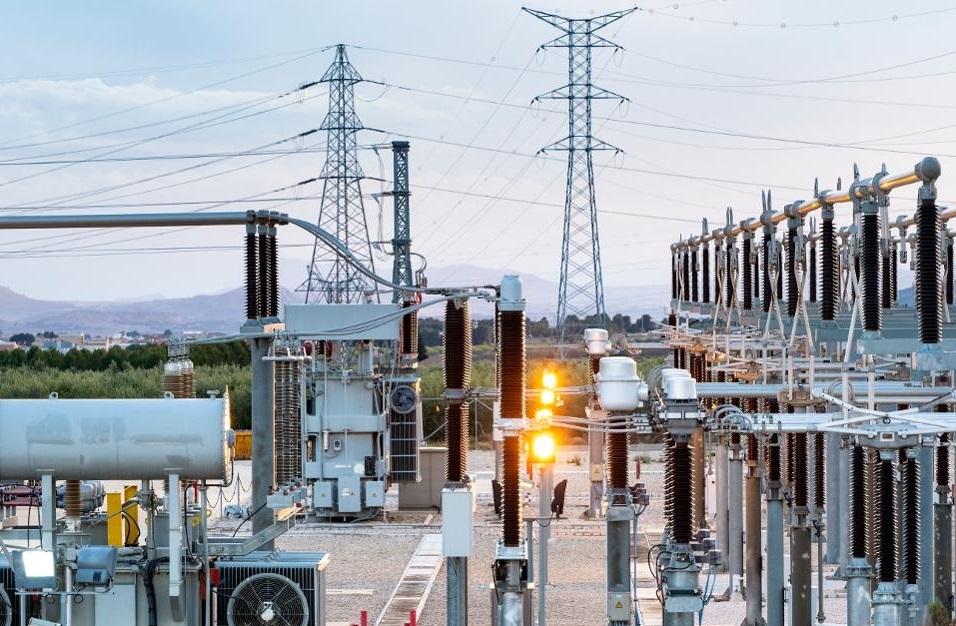
Nigeria’s public infrastructure remains highly volatile, as evidenced by the national grid suffering multiple system-wide collapses this year alone, plunging real-time power generation to zero megawatts nationwide. When a company-owned energy system fails, the enterprise bears the full weight of disruption, including emergency diesel switchover costs and production line delays.
Outsourcing to a managed provider transforms energy from a volatile physical gamble into a strict, legally binding Service Level Agreement (SLA). The service provider assumes the entire burden of engineering execution and guarantees operational uptime, with any technical disruption representing a severe financial penalty for the provider, not the client.
This transition from hardware ownership to a lean utility subscription also holds profound weight for investors and credit rating agencies. Global capital markets consistently reward asset-light operational efficiency.
A corporate balance sheet clogged with massive capital tied up in non-earning, depreciating utility hardware is viewed as highly inefficient by institutional investors. By utilising zero-upfront-cost managed energy frameworks, forward-thinking institutions significantly improve their Return on Capital Employed (ROCE) and preserve cash reserves, protecting key liquidity metrics.
In an era where global lenders explicitly tie borrowing costs to operational agility, keeping a corporate ledger lean and fully decoupled from infrastructure risk drastically reduces the debt risk premium, unlocking cheaper capital to fund core commercial expansion.
Ultimately, the corporate boardroom must recognise that holding onto the title deeds of power hardware is an obsolete badge of honour. True resilience means ensuring a business never experiences a single minute of unhedged downtime. Modern leadership is urged to stop over-allocating precious CapEx to non-core utilities and partner with dedicated experts like Starsight Energy to deploy a managed Power-as-a-Service model.