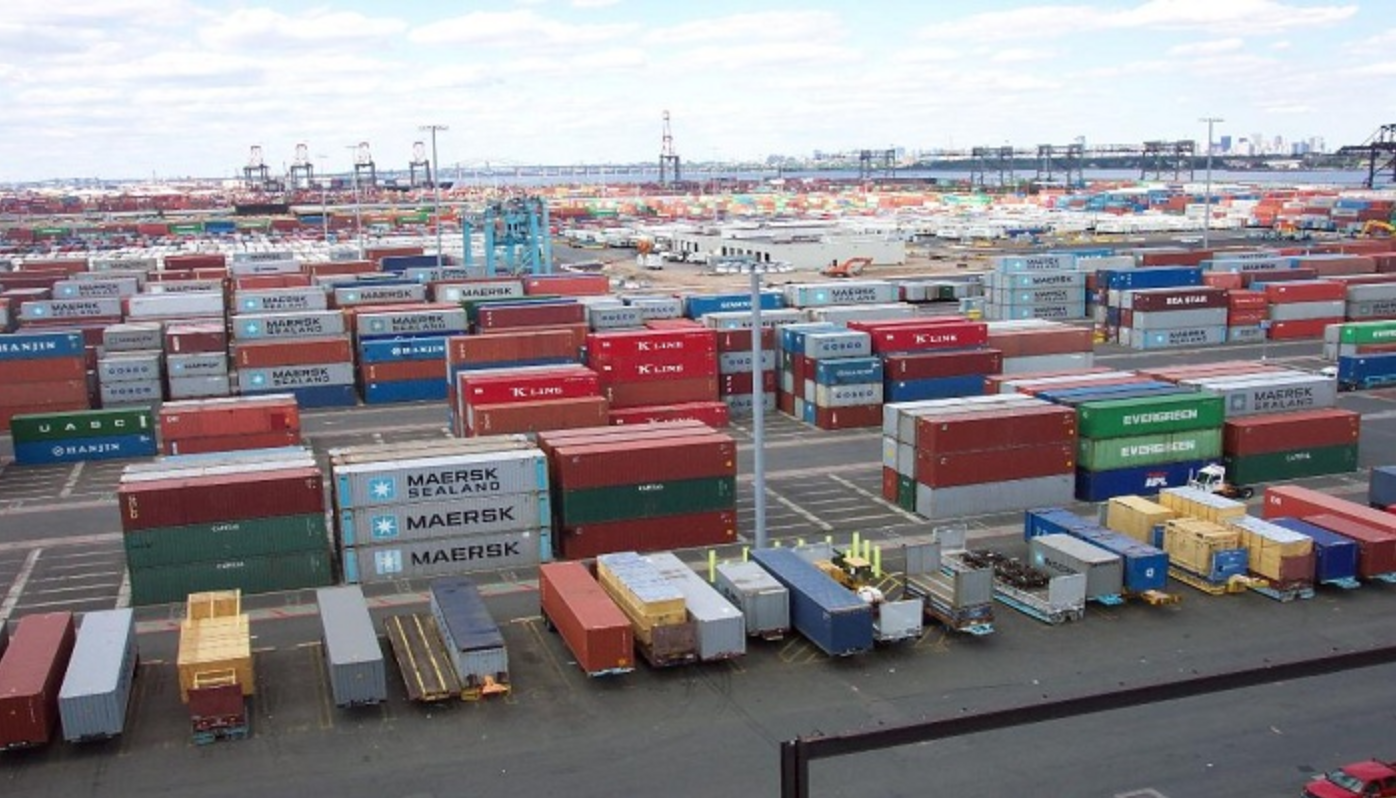
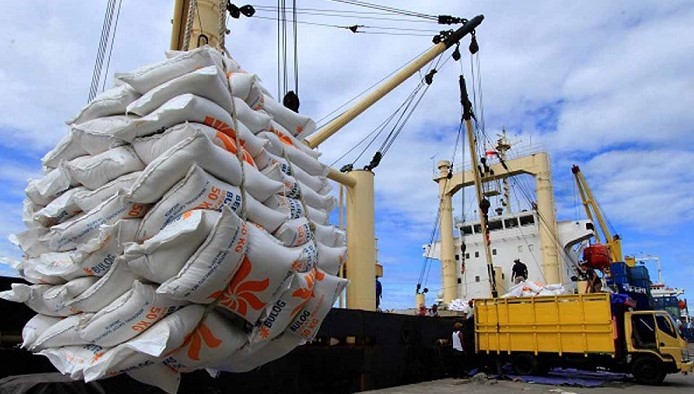
Nigeria's federal government is set to invest £746 million in a significant rehabilitation of the Apapa and Tin Can Island ports. This initiative, funded through a UK Export Finance Buyer Credit Facility and coordinated by Citibank, aims to enhance infrastructure and boost operational efficiency at two of the nation's busiest maritime gateways.
The modernization efforts are designed to decrease vessel turnaround times, shorten cargo dwell times, and introduce automation to port operations. However, the strategy has ignited a debate among industry stakeholders regarding its long-term effectiveness.
Port Strategy Debate
A central point of contention is whether focusing on upgrading the already congested Apapa and Tin Can ports is the most prudent approach. Some stakeholders argue that Nigeria should prioritize the development of newer, more advanced facilities such as the Lekki Deep Seaport to better accommodate the country's growing trade volume.
Tonami Playman, an independent transport researcher, expressed a strong view that Nigeria should relocate major port operations to Lekki Deep Seaport. He believes that continued investment in ports operating at near capacity is inefficient and that the fundamental capacity limits of Apapa and Tin Can are a major constraint to growth and cargo throughput.
“The only way to relieve congestion at Apapa & Tincan island is to relocate their operations as their current location is a major constraint to growth & cargo throughput. Money should be directed to relocation of all port activities to Lekki, not pouring it into a location that has a fundamental capacity limit,” Playman told Nairametrics.
Conversely, Abayomi Duyile, Chairman of the Apapa chapter of the National Council of Licensed Customs Agents, finds the idea of relocating a federally owned port to a private facility like Lekki unfeasible. He emphasized that infrastructure upgrades at the existing ports are long overdue.
“There’s no way you can relocate a mother port owned by the federal government to a private operator,” Duyile stated. He further stressed that the rehabilitation must prioritize fixing critical infrastructure, including the severely degraded access roads to Tin Can Port, and equipping terminal operators with the necessary machinery. Duyile contends that without addressing these foundational issues, modernization efforts alone will yield limited improvements in congestion and cargo dwell times.
Otunba Frank Ogunojemite, President of APFFLON, offered a more optimistic outlook, suggesting that the rehabilitation could lead to reduced cargo delays, lower logistics costs, and increased trade efficiency. He also anticipates that these improvements could help Nigeria reclaim cargo that has been diverted to neighboring ports and boost government revenue.