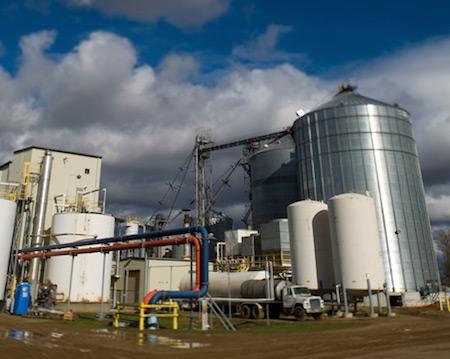
Despite being the world's largest cassava producer, Nigeria imports a significant portion of its ethanol, a derivative of the crop. This reliance on imports costs the nation millions of dollars annually in foreign exchange and represents a missed opportunity for local job creation.
In 2023, Nigeria produced 62.7 million metric tons of cassava. However, the country's ethanol demand reached 400 million litres in 2024, with approximately 75 percent, or 300 to 350 million litres, met through imports, according to the Nigeria Cassava Investment Accelerator (NCIA).
Ethanol is a crucial ingredient across various industries, including beverages, pharmaceuticals, hygiene products, and cosmetics. As discussions around renewable biofuel gain momentum, the energy sector could also become a significant consumer.
The conversion of cassava to ethanol is a complex process requiring substantial capital investment. Unlike sugarcane molasses, cassava starch must first be extracted and converted into fermentable sugars. However, Nigeria's widespread cassava cultivation and the potential for staggered harvests throughout the year offer a consistent domestic feedstock.
Replacing current ethanol imports would necessitate approximately 1.8 to 2 million tonnes of cassava, a figure representing only about three percent of Nigeria's total production. This volume is unlikely to disrupt food security concerns, provided industrial demand is managed within structured supply systems.
Companies like Nosak Group are already investing in the cassava-to-ethanol value chain. Through its subsidiary Premier Plantations, the company is building an integrated cassava supply chain, acquiring farmland, developing out-grower partnerships, and commissioning a new cassava-to-ethanol facility.
For successful cassava-to-ethanol production, operators must address several key operational questions. These include establishing reliable feedstock systems with consistent delivery and quality, optimizing plant utilization and economics through efficient conversion and by-product revenue streams, and aligning with market demands for specific ethanol grades.
Meanwhile, in contrast to Nigeria's ethanol import challenges, Ivory Coast is anticipating a bountiful cocoa mid-crop harvest between March and August. This positive outlook is attributed to above-average rainfall across key cocoa-growing regions, supporting crop development.
This contrasts sharply with the situation for Nigerian cocoa farmers, who are reportedly battling a price crisis, highlighting the divergent fortunes within the West African agricultural sector.